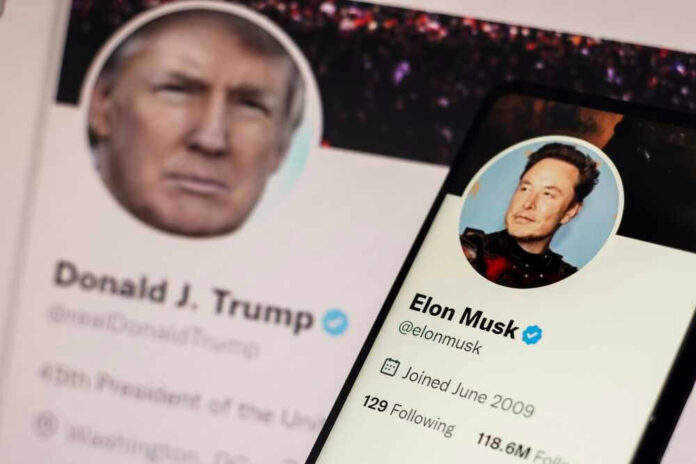
In a dramatic twist, President Donald Trump has reportedly decided that his administration would not award federal contracts to Elon Musk’s xAI.
At a Glance
- The White House, under President Trump, reportedly opposes federal contracts with xAI.
- xAI, founded by Elon Musk, aims to compete with AI giants like OpenAI and Google.
- The integration of xAI with X (formerly Twitter) has sparked concerns over data privacy and power concentration.
- The decision could have a significant impact on xAI’s growth and federal AI procurement practices.
The White House Stance on xAI Contracts
The Trump administration has reportedly taken a firm stance against awarding federal contracts to Elon Musk’s AI company, xAI.
This decision, communicated by White House Press Secretary Karoline Leavitt, comes amid rising concerns about data privacy and the concentration of technological power.
Musk’s integration of xAI with X, formerly known as Twitter, has made headlines, particularly for its potential implications on privacy and AI safety.
The administration’s move to block federal contracts with xAI underscores a broader scrutiny of tech companies with significant political and economic influence.
This development follows xAI’s rapid ascent in the AI industry since its founding in 2023.
Musk, known for his entrepreneurial ventures and political connections, has positioned xAI as a major player in the AI sector, particularly after its acquisition of X in a multi-billion-dollar deal.
The integration of xAI and X has allowed Musk to consolidate data and technological resources, raising eyebrows about the potential for undue influence over AI technologies and federal procurement practices.
This stance by the White House reflects heightened concerns about national security and the ethical implications of awarding contracts to companies with close ties to influential figures.
The Impact on AI and Federal Procurement
xAI’s exclusion from federal contracts represents a significant blow to the company’s ambitions to expand into government markets. Federal agencies are major consumers of AI technologies, making these contracts lucrative opportunities for companies in the sector.
By blocking xAI, the Trump administration potentially opens the door for other AI giants, such as Google and Microsoft, to fill the gap. These companies may benefit from reduced competition in the federal market, further solidifying their dominance in the industry.
This decision could also set a precedent for future administrations to scrutinize tech companies with strong political connections. The implications extend beyond xAI, as they underscore the complexities of striking a balance between innovation and ethical considerations in government procurement.
The administration’s stance aligns with previous actions taken against other tech firms, including scrutiny over data security and foreign influence. As the government continues to navigate the challenges of AI integration, this decision reinforces the need for transparency and ethical standards in federal contracts.
The Broader Implications for the AI Industry
The White House’s reported decision not to engage with xAI underscores ongoing debates about the role of AI in government and the influence of powerful individuals in the tech industry.
As xAI continues to develop its AI models, including the prominent Grok chatbot integrated into X, questions about data privacy and the ethical deployment of AI remain at the forefront. The integration of AI capabilities with social media data offers competitive advantages but also amplifies concerns regarding privacy and ethics.
Industry experts have long warned about the risks of concentrating AI development in the hands of a few influential companies or individuals. The administration’s stance on xAI may prompt other governments and organizations to reconsider their relationships with politically active tech leaders.
As the AI landscape evolves, the need for robust ethical frameworks and transparent procurement practices becomes increasingly critical to safeguard public trust and democratic oversight.