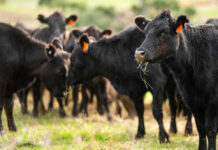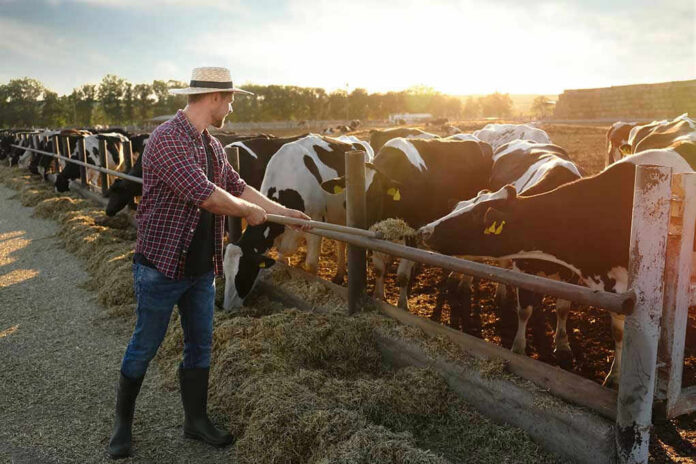
Wyoming ranchers entered fall with parched pastures, higher bills, and a new market jolt that hit cattle prices the very week many needed to sell.
Story Snapshot
- Drought and heat cut forage, drive hay and feed costs higher, and force herd sales.
- A 90-day waiver on tariffs for lean beef trimmings adds near-term price pressure.
- Economists say the waiver affects cull cow markets most, not prime steaks.
- Local stress is severe even if imports are a small share of U.S. consumption.
Drought squeezes forage, water, and working capital
Ranchers across Wyoming report dried-up grass, shrinking reservoirs, and little relief on the horizon. Many hauled water and cut stocking rates to protect pastures that cannot recover without rain. Those steps cost cash and time, and they still do not grow feed. When grass fails, ranchers buy hay.
That turns a weather event into a balance-sheet problem. Reporting from across the state shows hay costs rising and herds culled to match scarce feed, a pattern typical in hot, dry years.
Severe drought maps confirm the local picture. Counties across northwest and central Wyoming entered summer in extreme conditions, with ranchers in places like Cody and Meeteetse facing hard choices each week. Selling early means lighter calves and fewer bred cows.
Keeping herds intact means paying up for hay on thin supply. Either path erodes margins. Over time, drought cuts average herd size and raises the cost of rebuilding, which can take years after rains return.
Input costs stack on top of weather pain
Higher fuel, fertilizer, and feed prices pile onto drought stress. Some producers who used to grow their own hay had to buy it, and often haul it from far away. That shift adds freight on top of already high hay prices.
University and Federal Reserve research show that drought raises feed costs and forces liquidation, and then herd recovery demands new capital just when cash is tight. That is why a dry year echoes through multiple seasons, not just one.
Local auction barns feel the pressure. Operators described ranchers selling cattle they would rather keep because feed pencils do not work. One noted that last year was “a year that I hope we never do again,” with drought and feed costs driving unwanted sales.
That context matters when any market headline hits. When weather and inputs stretch operations, even a small market move can change the go-or-no-go decision on a sale barn Thursday.
The beef import waiver and how it hits ranch-country math
President Trump approved a 90-day waiver on tariffs for up to 300,000 metric tons of lean beef trimmings to cool record ground beef prices. The policy targets the trim used in burgers and meat mixes, not high-end steaks.
Economists say the near-term price effect hits cull cows most, which compete most directly with imported lean trim. For a cow-calf outfit in drought, a weaker cull price stings, because selling older females funds feed bills and ranch repairs.
Wyoming coverage captured the shock in futures markets and rancher anxiety after the announcement. Cattle prices fell hard that day, and local producers said it hit right when they needed steady checks to get through fall.
A University of Wyoming economist, however, noted the waiver size is small compared with what U.S. consumers eat. That suggests a limited national price lever, even as the timing felt rough in drought-struck counties.
What the numbers mean and what common sense says
National analysts often stress that imports serve focused gaps, like lean trim when domestic cattle run fatter. They also point out that drought, herd size, and feed costs do most of the heavy lifting on prices over time. That may all be true. But on the ranch, cash flow is king. A thinner cull check this week can decide whether a family sells an extra load of pairs, or waits and prays for snow and spring grass.
Wyoming ranchers struggling amid drought, higher costs and new pressures from beef imports https://t.co/naFs6Fag3Y
— CBSColorado (@CBSNewsColorado) September 8, 2026
Supply chains and strong domestic production are not rivals; they are partners. Government should avoid sudden moves that whipsaw producers who already carry weather risk.
When policy is needed to protect families from food inflation, target it narrowly and with a clear end date, and match it with support that helps ranchers bridge drought.
The August waiver did carry a short window. Pairing that with drought tools and water projects would better align Main Street and the meat case.
What helps now, and what steadies the next cycle
In the short term, drought planning and low-cost risk tools matter. Simple steps like preserving a grass “bank,” culling early, and protecting water can save equity. University guides outline low-cost actions to stretch scarce forage and reduce losses.
Over the next cycle, expanding regional processing capacity, improving range water, and restoring predictable trade rules would help ranchers capture more value per head while riding out dry years without forced sales.
Sources:
cbsnews.com, wyomingpublicmedia.org, wyofile.com, ers.usda.gov, aces-drought.nmsu.edu, kansascityfed.org, farmassistance.tamu.edu