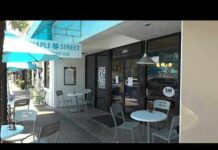
A once-bustling San Francisco mall is being hollowed out, store by store, as years of progressive mismanagement finally come due.
Story Snapshot
- Shake Shack will permanently close its restaurant in San Francisco’s largest mall on December 14, 2025, affecting 26 workers.
- The Westfield San Francisco Centre has changed owners after foreclosure, and remaining tenants were told their leases are “extinguished.”
- Nearly half the mall’s stores have vanished since 2020, including anchors Nordstrom and Bloomingdale’s.
- Soaring vacancies, crime concerns, and failed urban policy have turned a former retail engine into a warning sign for blue-city economics.
Flagship Mall Hit With Another Closure
Shake Shack is shutting down its location inside the Westfield San Francisco Centre, the city’s largest mall, on December 14, 2025, in a move that underscores just how fragile San Francisco’s once-prized retail core has become.
The closure, disclosed in a November 25 filing with state labor officials, will affect 26 employees tied directly to this single fast-food site. For many locals, it is another visible sign that downtown’s long decline is not slowing under current city policies.
Shake Shack told FOX Business the mall has been sold to a new owner that is requiring every tenant to vacate, effectively wiping out the remaining restaurant’s lease with a legal notice rather than a normal business decision.
The company says it has offered all 26 staffers a chance to transfer to other nearby Bay Area locations, trying to cushion the blow. Still, the closure removes another national brand from a downtown corridor already struggling to attract safe, reliable customer traffic.
Another restaurant in beleaguered San Francisco mall closing https://t.co/2HH8VeuLLq
— FOX Business (@FoxBusiness) December 8, 2025
Foreclosure, New Owner, And Mass Tenant Evictions
The mall’s new owner, an LLC called DBJPM 2016-SFC Emporium, assumed control after a foreclosure auction on November 12, 2025, transferring the property away from former operators Unibail-Rodamco-Westfield and Brookfield Properties.
Those previous owners defaulted on the loan and effectively walked away in 2023, leaving lenders and the city to deal with the fallout. Remaining tenants then received word that their leases were “extinguished” under the new ownership structure and that they needed to leave immediately.
For store owners, that kind of sudden legal notice is not just a paperwork technicality; it instantly upends business plans, investments, and staffing decisions built over years.
When property management’s legal counsel tells tenants to vacate at once, it signals severe instability at the property level and raises questions about how bad the underlying finances and occupancy levels have become.
Families who built small businesses in the mall are left scrambling because the broader environment, shaped by policy and city priorities, could no longer sustain a stable, predictable retail center.
Anchor Stores Gone And Foot Traffic Collapsing
Between 2020 and 2023, the Westfield San Francisco Centre lost 46% of its stores, a staggering erosion for any regional mall that once depended on steady shopper volume. That period included Nordstrom’s decision in 2023 to close both of its downtown San Francisco locations, including its flagship inside this mall.
Earlier this year, Bloomingdale’s, the other major anchor tenant, also shut down. With both anchors gone, the mall lost the big traffic engines that make smaller shops and restaurants viable.
Retail experts have long warned that when anchor tenants close, the real damage hits everyone else who relies on their gravitational pull.
In Westfield’s case, the collapse of the two major department stores helped accelerate an exodus of smaller retailers and dining spots.
In recent months, at least six eateries have left, including Jamba Juice, Izzy & Wooks sandwich shop, and Mija Cochinita taco shop. Without safe, predictable crowds, many businesses cannot justify high urban rents, particularly in a city that already struggles with crime perceptions and street disorder.
Progressive Policies And The Cost To Working Families
What is happening at this mall is not just a random business cycle; it mirrors broader patterns in progressive-run cities where high taxes, permissive crime policies, and hostility to conventional policing have driven out both employers and families.
When a premier shopping center reaches foreclosure and nearly half its stores vanish in three years, the consequences show up as lost paychecks, fewer entry-level jobs, and shrinking opportunities for teenagers and working-class residents who once depended on steady retail work.
As Trump’s second administration pushes for law and order, stronger borders, and pro-growth policies nationwide, cases like the Westfield San Francisco Centre stand as cautionary tales.
Local voters can see the contrast between cities that defend basic standards and those that double down on ideology while their economic base erodes. Shake Shack’s closure is one more data point in a larger reality: when leadership neglects safety, business climate, and common sense, everyday Americans pay the price first.