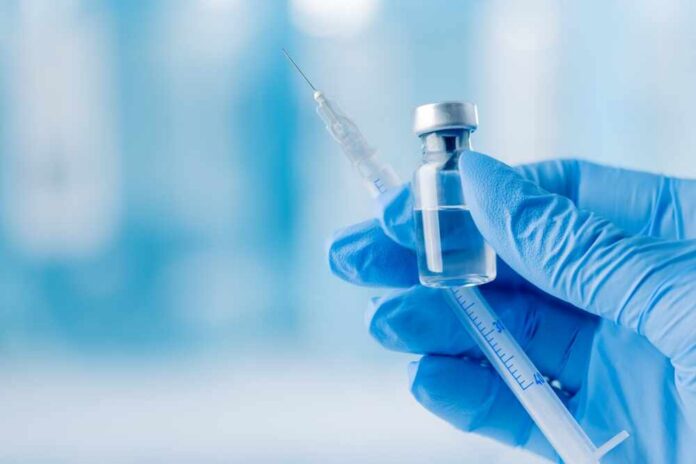
Glass fibers in veterinary injection vials triggered a nationwide recall that pet owners and horse owners should not ignore.
Quick Take
- American Regent, Inc. Animal Health recalled two lots of Adequan Canine and two lots of Adequan i.m. after glass fiber material was found in testing of retained samples.
- The recall covered dog and horse injections sold to the consumer level, with lots tied to specific distribution dates across the United States.
- The company said it had not received any adverse event reports tied to the recalled lots when the recall was announced.
- Officials warned that particulate matter in an injectable product can cause irritation, swelling, pain, infection, or abscesses.
What American Regent Pulled From the Market
American Regent said it was conducting a nationwide recall of two lots of Adequan Canine Injection for dogs and two lots of Adequan i.m. Injection for horses. The recalled dog lots were 25011 and 3369, and the horse lots were 24416 and 25265P.
‘Glass Fibers’ Found Inside Dog and Horse Medications Prompt Urgent Nationwide Recall https://t.co/DwIWQV0OxB
— People Pets (@PEOPLEPets) August 7, 2026
The recall notice said the reason was visible glass fiber material in the product. It also said the problem showed up during testing of internally retained samples, which means the company’s own quality system caught it before more harm was reported.
Why the Recall Matters
This was not a vague warning about a possible defect. It was a lot-specific action tied to injectable products already in the supply chain, including online pharmacies, distributors, wholesalers, and veterinary practices. That matters because injectable medicine goes straight into tissue, where foreign material has a clear chance to cause trouble.
The FDA said particulate matter such as glass fibers may lead to local irritation, swelling, inflammation, injection site pain, infection, or abscesses. The agency also said American Regent had not received reports of adverse events related to the recalled lots as of the announcement.
What Pet Owners and Clinics Were Told to Do
The practical advice was simple: stop using the affected lots immediately. The company asked distributors, retailers, veterinary hospitals, clinics, and other consignees to stop distributing the product and return remaining inventory or discard it.
That is the part of the story that often gets lost in headlines. A recall like this is not only about contamination; it is also about controlling risk before a single bad vial becomes a pattern. In that sense, the recall shows the system working as it is supposed to, even if the reason behind it is unsettling.
What Stands Out in the Record
The public record points to a classic foreign-particulate recall. The company identified the issue through retained samples, named the exact lots, and acted with the Food and Drug Administration’s knowledge. The available sources do not include a public root-cause report, so the precise source of the fibers inside manufacturing remains undisclosed.
Until the company or regulators release more technical findings, the safest reading is the narrow one. The lots were recalled because visible glass fiber material was found, and the warning was broad enough to protect animals first.
Sources:
foxbusiness.com, people.com, usatoday.com