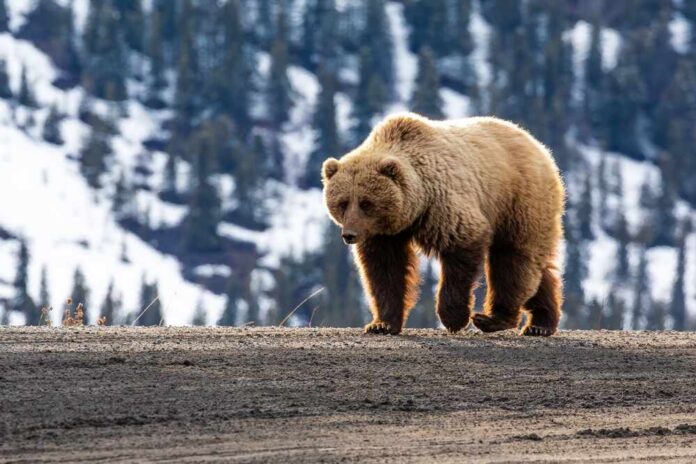
Colorado’s brutal summer drought sent hungry black bears into towns, doubling reported encounters and raising real safety stakes.
Story Snapshot
- State wildlife officials tied a surge in bear reports to drought-starved natural food.
- Reports through mid-August hit 6,129, nearly double the same point last year.
- Encounters ranged from a bear in an Aspen restaurant to a fatal car entrapment.
- Authorities urged strict trash control and no feeding to cut urban foraging.
Drought-thinned forage pushed bears toward neighborhoods
Colorado Parks and Wildlife reported a sharp rise in bear activity in 2026 and tied it to drought that reduced wild food. Spokespeople said dry conditions and a late freeze cut berries and nuts, so bears looked for calories in town.
The agency counted 6,129 sightings and conflicts through August 13, nearly double 3,115 at that point in 2025. That spike tracks with a clear, simple chain: hungry bears need fat for winter, and trash and fruit trees are easy meals.
Bears are getting into more trouble than usual in the parched Rocky Mountains this summer. They are wandering into urban areas, getting trapped in cars, raiding trash cans and sometimes attacking people.
Read more: https://t.co/oecGUC8372 pic.twitter.com/wUJfQKLz6b
— ABC News (@ABC) September 8, 2026
Field voices echoed the same story on the ground. A United States Forest Service official near Aspen said natural food was poor, so bears did not have their normal options and drifted toward people’s food.
Local coverage tied the same pattern to wildfire scars and late frost damage, which can further thin summer forage. That mix does not change the basic driver for residents: every calorie we make easy to grab invites a bear to return.
Incidents spanned the Front Range and mountain towns
Reports covered Fort Collins, Colorado Springs, Eagle-Vail, Aspen, Snowmass, and Steamboat Springs. The set included a bear roaming through an Aspen restaurant, a trapped black bear that died inside a car in Colorado Springs, and a minor injury at an Eagle-Vail apartment complex.
Colorado State University saw bear interest during move-in week, when food odors and open doors peak. These are not one-off clips. The pattern stretched across communities with the same lure: unsecured trash and food.
Colorado Parks and Wildlife described standard prevention steps that cut these conflicts fast. The list starts with never feeding or approaching bears, securing trash in bear-proof cans, locking car doors, removing bird feeders during active season, and cleaning grills.
Those tips might sound basic, but they match what research shows: when natural food drops, bears test town edges, and they keep coming if the first try pays off. Residents who act first often see the fastest drop in visits.
Why this surge makes sense in bear biology
Black bears enter a pre-hibernation feeding push in late summer. They can eat tens of thousands of calories a day to build fat. When berries and acorns fail, they shift to the next best source. Urban areas offer dense calories in a tight space.
Studies and agency experience show bears switch into town during poor natural food years, then switch back when the wild buffet returns. Drought and late freezes tilt that choice toward town, especially where trash and fruit trees sit unprotected.
Numbers can blur lines between sightings, conflicts, and attacks. That matters because “reports” include many low-risk calls. Still, the statewide jump through mid-August, nearly double the prior year, marks a real operational change.
Officers spent more time chasing food-conditioned bears and warning residents. A practical note for readers: the best fix lives at the curb. Locking down trash beats any debate over labels. Fewer easy calories lead to fewer bold bears on your block.
Safety, accountability, and common-sense steps
Local control works best here. Homeowners, restaurants, and campuses can shut the door on this problem with tight lids, clean alleys, closed windows, and harvested fruit. Agencies should keep sharing simple rules and enforcing fines when needed.
That mix respects property, protects families, and keeps bears wild. Feeding wildlife, even with good intent, causes harm. It trains smart animals to trade fear for habit, and that ends with destroyed property or a dead bear.
Colorado’s spike also shows how drought turns a seasonal test into a public safety job. When weather dries up wild food, human systems need to adapt. Towns that moved to bear-resistant trash carts, firm pickup schedules, and quick spill cleanup see fewer calls. The lesson is not panic. It is discipline. Lock down food and odors now, and next season will be calmer even if the weather stays rough.
Sources:
wyomingpublicmedia.org, cpr.org, aspentimes.com, coloradoan.com, cbsnews.com, kunc.org, axios.com, kjct8.com