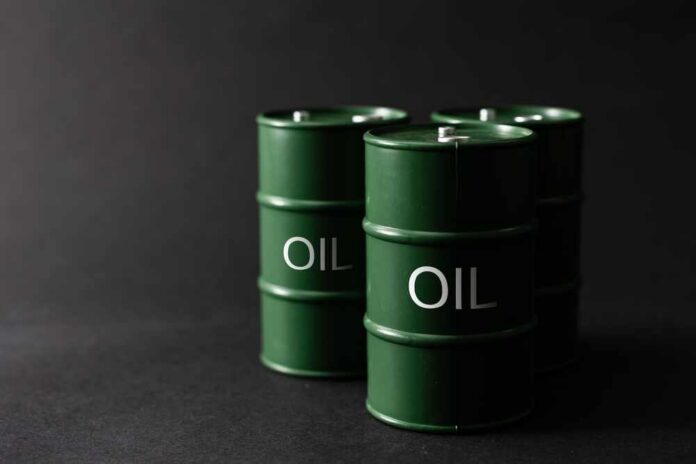
America’s emergency oil cushion just slipped to a level not seen since the Reagan years, right as the Middle East keeps the market on edge.
At a Glance
- The Strategic Petroleum Reserve dropped to early-1980s levels as releases continued.
- The Department of Energy moved oil to counter war-driven supply shocks tied to Iran.
- Weekly outflows hit record pace during peak disruption weeks.
- The reserve still holds hundreds of millions of barrels, but the margin is thinner.
The Numbers: How Low, How Fast, and Why It Matters
Department of Energy data show the Strategic Petroleum Reserve at around 304.8 million barrels by the end of July, the lowest since 1983, after a weekly drop of about 2.85 million barrels. The fall followed months of steady releases.
The government tapped the reserve to soften the shock from the Iran conflict and shipping risks near the Strait of Hormuz. That choice traded inventory for time, with the aim of holding prices down while global flows reset.
US strategic petroleum reserves have been depleted to the lowest levels in four decades. H/t @DRBCurtis pic.twitter.com/B0h2NiYRj5
— Lisa Abramowicz (@lisaabramowicz1) August 11, 2026
The pace turned heads. One week in May saw an outflow near 9.9 million barrels, a modern record, as energy officials pushed more supply into a tight market. This was not a casual draw. It came alongside statements that releases would target real disruptions, not paper exercises.
Government energy trackers later noted a six-week span in March and April when 17.5 million barrels left the reserve, underlining a formal response to supply stress.
The Trigger: War Disruption and Shipping Risk
Reports from the period linked the drawdowns to the Iran war and threats to tanker traffic through a narrow chokepoint that moves a large share of global oil. Those headlines framed the reserve’s slide as a side effect of a wider crisis playbook, not a budget gimmick.
When markets fear delayed cargoes, futures jump first and consumers pay soon after. Strategic barrels exist for that window. The government used them, fast, to blunt the spike and buy time for talks and reroutes.
Energy officials also coordinated with allies. Coverage described a plan to release up to 172 million barrels as part of a broader effort among partner countries to balance lost flows and cool panic.
That scale signaled resolve and told traders that supplies would meet demand, even if tankers took longer paths. Some of these barrels function as timed exchanges, with later returns expected, which means not every draw is a permanent loss to the stockpile.
Risk, Resilience, and the Conservative Test
Critics warn that a thin reserve is a bet that tomorrow’s crisis waits its turn. That concern is fair. The facts, however, show the United States faced a live disruption and used a tool built for that job.
On balance, that aligns with a limited but capable government: act sharply in a crisis, then stand down and rebuild. The key test is whether refill plans and maintenance keep pace with geopolitics.
Refill will take time and care. Cavern integrity, crude grades, and pipeline access all shape how fast oil can flow back. The reserve today still holds hundreds of millions of barrels, but its margin is slimmer than it was two years ago.
Policymakers now face a simple, disciplined path: lock in forward purchases during price dips, schedule steady deliveries, and protect maintenance budgets. That quiet work restores the cushion without spiking costs or signaling panic to markets.
What To Watch Next
Three gauges will tell the next chapter. First, weekly reserve levels from federal data will show whether outflows slow and refills start to land. Second, shipping conditions near the Strait of Hormuz will hint at how long the market needs help.
Third, formal purchase tenders, delivery calendars, and any exchange returns will reveal whether plans match promises. If these lines move the right way, gas prices should cool and the reserve should climb, even if only by inches at first.
Sources:
eia.gov, pewresearch.org, ycharts.com, reuters.com, finance.yahoo.com