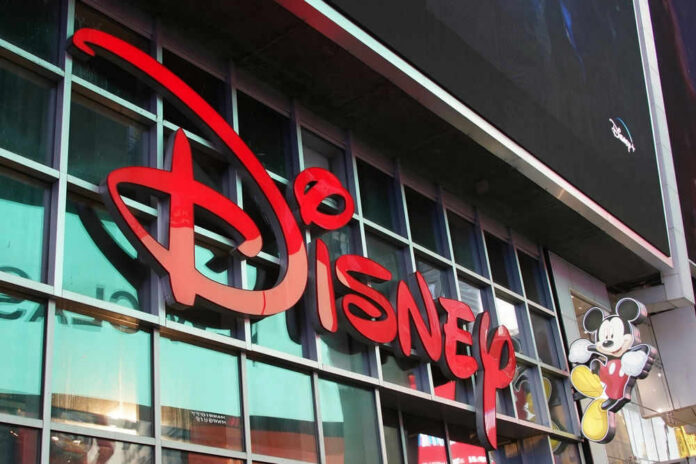
Disney is cutting about 300 jobs, mainly in human resources and technology, as part of a cost plan it flagged weeks ago.
Story Snapshot
- About 300 roles cut, focused on human resources and technology.
- Third round of reductions since Josh D’Amaro became chief executive earlier this year.
- Company signaled labor and selling, general and administrative cuts in August.
- Targeted back-office trims aim to lower costs and free cash for growth investments.
What Happened And Who Is Affected
Disney began another round of job cuts totaling around 300 positions. Most affected roles sit in human resources and technology teams across corporate and select divisions, according to reporting that cites a person familiar with the actions.
The cuts continue a pattern this year under Chief Executive Josh D’Amaro. Business outlets frame this as the third wave since he took the top job in mid-March, and smaller than earlier rounds in 2026. Severance terms were not detailed in the reports.
Management had set the stage during its August earnings communication. Leaders said they were reviewing ways to reduce labor and selling, general and administrative spending to create room for growth investments.
That language usually signals targeted support-function reductions to follow. This round fits that script: trims in human resources and information technology, while frontline creative and park operations were not the focus of coverage. Investors often expect these steps when margin pressure meets big capital plans.
Massive layoffs rock Disney as new CEO slashes hundreds of jobs https://t.co/JF8R8u30Pz pic.twitter.com/ya63gfExou
— New York Post (@nypost) September 29, 2026
Why The Cuts Now
Public companies often announce the aim, then execute the details. Disney told shareholders it would pull cost levers after fiscal third-quarter results. Reports now show the headcount piece arriving on schedule.
Several hundred jobs in back-office groups can move expense lines without changing the core product mix. That aligns with what many large media firms do when they want both clearer margins and money to fund streaming tech, theme park upgrades, or rights deals. The math is cold, but clear.
Some outlets note the move continues a year of change across the company chart. Earlier actions included early retirements for long-tenured staff and prior cuts in non-customer-facing roles. This latest step is smaller and narrower, which often means leaders think the heavy lift is done and are fine-tuning.
That approach can be wise if the goal is to avoid harming core revenue engines while still proving discipline to the market. Shareholders reward firms that cut bureaucracy before they cut product.
How This Aligns With Common Sense
Shareholders expect leaders to spend every dollar like it is their own. Cutting back-office costs before touching customer or creative work respects that rule. When a company says it will reduce labor and administrative spending, then follows through, it shows accountability.
That is sound stewardship. If Disney can protect families’ experiences and on-screen quality while trimming overhead, it is doing what many business owners do in tight seasons: keep the main thing the main thing and cut the rest.
Reports also point to a simple test for success. If these trims fund better rides, smarter tech, and stronger franchises, the plan worked. If not, the company will face pressure to rethink. Markets do not accept promises forever.
But right now, the sequence makes sense: set targets, reduce general and administrative costs, and free cash for growth. The coming quarters will show if the savings show up in margins and in better products that win fans back and keep them there.
Sources:
cnbc.com, finance.yahoo.com, ua.news, businessinsider.com