A single swapped label on a family-size ravioli pack can turn dinner into an allergen roulette wheel.
Quick Take
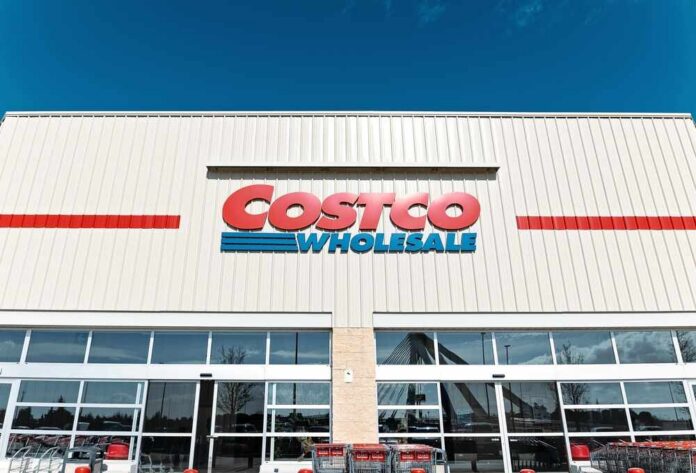
- USDA’s Food Safety and Inspection Service (FSIS) issued a recall alert for Giovanni Rana 32-ounce “Rustic Beef Sauce & Creamy Burrata Cheese” ravioli sold only at Costco in Maryland and New Jersey.
- Some packages were mislabeled and may contain shrimp and lobster sauce, creating an undeclared shellfish allergen risk.
- The manufacturer notified FSIS after two consumer complaints, not after a routine inspection.
- No confirmed adverse reactions have been reported, but FSIS urges customers to return the product for a full refund or discard it.
The Recall That Matters Even If You Don’t Live in Maryland or New Jersey
FSIS put out the alert because the “beef sauce & burrata” label may not match what’s inside. The affected product is Giovanni Rana “Rustic Beef Sauce & Creamy Burrata Cheese” ravioli sold exclusively at Costco stores in Maryland and New Jersey, in 32-ounce packages.
The key identifiers include establishment number “44870” and best-by dates ranging from May 14, 2026, through June 25, 2026.
Costco recalls popular product in 2 states over potential ingredient mix-up https://t.co/iUQu0nExof
— FOX Business (@FoxBusiness) May 6, 2026
The danger isn’t that shrimp is inherently “bad.” The danger is that shellfish is a top-tier allergen and the label is the contract consumers rely on.
People shopping for a household with food allergies don’t run lab tests in the kitchen; they read ingredient panels and trust them. When that trust breaks, a quick weeknight meal can become a medical emergency, especially for anyone with a shellfish allergy.
How This Mix-Up Likely Happened: Fast Lines, Fast Changeovers, Human Error
Packaged foods don’t get mislabeled out of malice; they get mislabeled through process failures. Multi-product facilities run different fillings and sauces on shared equipment, and line changeovers require tight controls: correct film/labels, correct product in the hopper, correct lot codes, and verification checks that someone signs off.
One wrong roll of packaging, one missed checkpoint, and a “premium” dinner becomes a problem with real consequences.
Two consumer complaints triggered the chain reaction here, with the manufacturer notifying FSIS and the agency pushing out the public recall alert. That detail matters. It suggests the issue escaped internal detection long enough to reach homes and dinner tables.
Credit belongs to the consumers who spoke up quickly. Consumer reporting is an underappreciated safety net, especially when a product’s “best-by” window encourages people to stash extras.
Why Bulk Retailers Turn Small Errors Into Big Household Risks
Costco’s superpower is scale: larger packages, fewer shopping trips, stocked fridges, stocked freezers. That’s also the recall problem. A mislabeled 32-ounce pack is more likely to get portioned out, served to guests, or forgotten in the back of a freezer until the exact night someone allergic happens to eat it. The bulk model also means a single distribution decision can concentrate the risk in a narrow geography.
This recall’s limited footprint—Maryland and New Jersey—may reassure shoppers elsewhere, but it should also raise eyebrows about traceability and communication.
Confining a recall to two states usually indicates targeted distribution records, which is good. The concern is whether every package has been accounted for, especially if households travel, share food, or bring purchases across state lines. Food moves faster than recall headlines.
What FSIS and Costco Are Signaling With Their Instructions
FSIS and Costco aren’t playing cute with “monitor symptoms.” The guidance is straightforward: don’t eat it; return it for a full refund or throw it away. That clarity is exactly what consumers deserve in a recall.
A practical view of public safety favors decisive action over vague corporate hedging. If the label can’t be trusted, the product has to come off the table, even when no illnesses have been confirmed.
FSIS categorized this as a Class II-type scenario in the research summary: not the kind of crisis associated with widespread pathogen outbreaks, but still capable of serious health consequences for a subset of consumers.
That’s the point many people miss. Recalls aren’t only about “everyone gets sick.” Some recalls are about protecting the vulnerable minority whose risk is immediate and disproportionate, based on one hidden ingredient.
The Brand and Industry Lesson: Recalls Don’t Always Come From Dirty Food
Many shoppers mentally file recalls under “contamination,” like Listeria or Salmonella. Allergen mislabeling is different: the product may be produced under sanitary conditions and still be dangerous to the wrong person.
Giovanni Rana has faced at least one prior recall tied to undeclared allergens, according to the broader context. That pattern doesn’t prove negligence in this instance, but it does underline a manufacturing truth: verification systems must be relentless.
The policy backdrop matters too. American consumers expect clear labels and accountable supply chains, not because they love regulation, but because markets only work when information is honest and reliable.
The Food Allergen Labeling and Consumer Protection Act (FALCPA) set that expectation in law. Technology can help—barcode checks, camera verification, tighter lot control—but the culture has to insist that “close enough” is unacceptable on the packaging line.
What Shoppers Should Do Tonight: A Simple Freezer Check That Prevents Regret
Maryland and New Jersey Costco members should check the refrigerator and freezer for Giovanni Rana 32-ounce “Rustic Beef Sauce & Creamy Burrata Cheese” ravioli with establishment number “44870” and best-by dates from May 14, 2026, to June 25, 2026.
If it matches, return it or discard it. Households managing food allergies should treat any uncertainty as a no-go, not a “maybe.”
Costco recalls popular product in 2 states over potential ingredient mix-up https://t.co/iUQu0nExof
— FOX Business (@FoxBusiness) May 6, 2026
The open loop for everyone else is uncomfortable: this one surfaced because two people complained. That’s not a reason to panic; it’s a reason to pay attention.
The fastest safety system in America is still a sharp-eyed consumer who notices something off, reports it, and forces the paperwork to catch up with reality.
Sources:
Costco recalls popular product in 2 states over potential ingredient mix-up