Tyson’s latest pullback from beef plants is a blinking red light for the American dinner plate.
At a Glance
- Tyson will close Illinois and Utah plants and seek a sale in Washington due to tight cattle supplies.
- The company calls the cattle shortfall one of the most historic on record, with pressure likely to persist.
- Beef production has shrunk while cattle costs rose, turning Tyson’s beef unit losses steep.
- Relief may take years as the cattle cycle rebuilds slowly after drought and herd liquidation.
Tyson’s Restructuring Puts The Shortage In Plain View
Tyson Foods said it will shut its beef plant in Joslin, Illinois, close a case-ready beef facility in Eagle Mountain, Utah, and pursue a sale of its Pasco, Washington plant.
The company will center its beef business on three remaining hubs in Nebraska, Kansas, and Texas. Tyson tied the shift to “one of the most historic cattle shortages” and warned that thin heifer retention means tight supplies could last. Reuters detailed the same plan and timeline.
These moves follow earlier cuts. Tyson previously closed a large plant in Lexington, Nebraska, and scaled its Amarillo, Texas site to one shift to match lower cattle numbers.
Management framed the strategy as using fewer, better-located plants more fully, which is common when herds fall and slaughter lines go underused. This is not a blip; it is the cattle cycle at work, and the industry right-sizing to survive until animals return in numbers.
What The Numbers Say About Price And Supply
The company’s beef segment losses stack up with that story. Tyson recorded a $138 million operating loss in a recent quarter as beef volume fell by almost 16 percent and prices climbed by about 12 percent amid tight supply.
The company trimmed its annual outlook as cattle costs stayed high and production lagged. Fewer cattle means packers bid more per head, and they pass that pain forward. That is why you feel the squeeze at the meat case before you hear why it happened.
USDA data shows the nation entered 2026 with just 86.2 million cattle, down more than 8 million from 2019. https://t.co/y4VCwViNoc
— FOX 4 NEWS (@FOX4) August 17, 2026
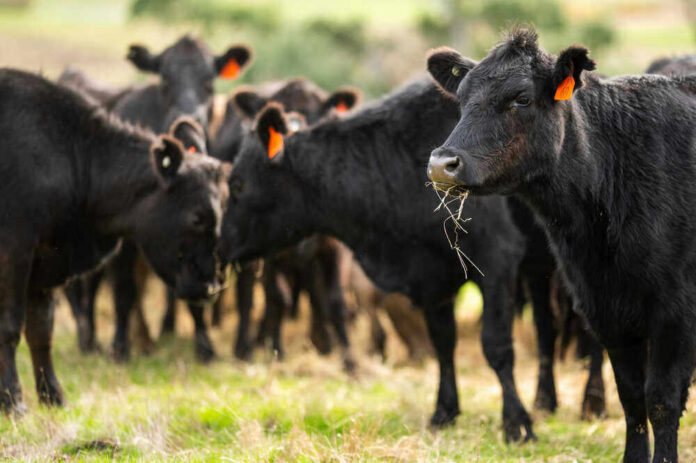
Reporters and analysts have pegged the U.S. cattle herd at the smallest level in roughly three-quarters of a century, after drought burned pastures, forced herd culls, and chilled expansion plans. Drought takes time to heal; rebuilding a cow herd takes even longer.
Cattle biology and ranch cash flow do not care about election cycles or quarterly calls. That is why Tyson’s warning that constraints will persist tracks with basic range math.
Why Closures Happen When Herds Shrink
Underused plants bleed money. Fixed costs do not shrink just because headcount does. Companies close or sell sites and push remaining cattle through a tighter network to raise utilization and preserve margins. Tyson’s current plan follows that classic playbook.
It also mirrors peer actions across the sector during low-herd phases, when even big operators cut capacity to match supply. This is not corporate fashion; it is industrial triage to keep the core alive for the upturn.
Here is the straight talk for shoppers and ranchers. For shoppers, expect beef prices to stay firm until the herd turns. Bargain hunts will be thinner, and cheaper cuts may carry the cart. For ranchers, better calf prices can help now, but feed and weather still rule.
Expansion will wait on green grass, water, and bankable margins. For towns tied to these plants, diversifying job bases is not theory; it is the only hedge that works when the cattle clock strikes down.
What To Watch Next
Watch the January cattle inventory report and heifer retention. If more young females stay on ranches, the rebuild has begun, but beef supplies will still lag by years. Track packer capacity use at the remaining Tyson hubs in Nebraska, Kansas, and Texas; tighter, fuller plants signal a stable floor.
Keep an eye on retail price spreads relative to live cattle prices to gauge margin pressure across the chain. Those signals will tell you when steak night gets cheaper again.
Sources:
foxbusiness.com, tysonfoods.com, insurancejournal.com, finance.yahoo.com, fool.com, nytimes.com, investing.com, reuters.com