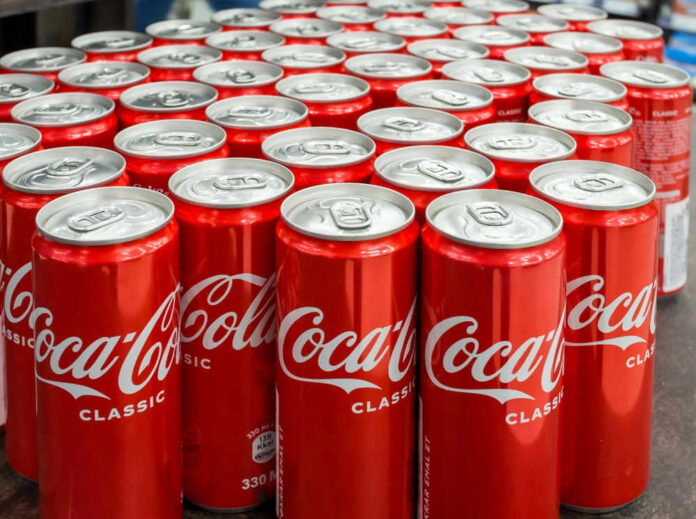
Donald Trump has announced that Coca-Cola will switch to real cane sugar in their U.S. beverages, igniting a huge change that could reshape the soda industry.
At a Glance
- Trump announced Coca-Cola’s agreement to use cane sugar in U.S. products.
- Coca-Cola has not officially confirmed a complete switch to cane sugar.
- The Corn Refiners Association warns of economic repercussions.
- Trump’s announcement led to a drop in HFCS producer shares.
Trump’s Bold Claim
On July 17, 2025, Donald Trump took to Truth Social to proclaim that Coca-Cola agreed to sweeten its U.S. beverages with “REAL Cane Sugar.” According to Trump, this move is not just about taste—he believes it’s simply better for the American people.
This announcement has sparked a whirlwind of speculation and debate, not just about the taste of Coke but also about the broader implications for American agriculture, the economy, and public health.
Coca-Cola, however, has only responded with a statement expressing appreciation for Trump’s enthusiasm. They have promised more details on “new innovative offerings,” but have yet to confirm a full transition to cane sugar for all U.S. products. This has left consumers and industry stakeholders in a state of eager anticipation and skepticism alike.
Economic and Political Repercussions
The Corn Refiners Association has swiftly responded to Trump’s announcement, cautioning that replacing high fructose corn syrup (HFCS) with cane sugar could have devastating consequences. They argue that such a switch could lead to significant job losses in the HFCS industry, depress farm incomes, and necessitate increased sugar imports—all without offering any nutritional benefits.
The association’s concerns are not unfounded, as the HFCS industry is a major player in the U.S. agricultural sector, and any reduction in demand could have a ripple effect on the economy.
Trump’s announcement has already caused a stir in the stock market. Shares of HFCS producers plummeted following his post, reflecting investor anxiety over potential demand shifts. This market volatility underscores the significant impact a change in sweetener preference could have on the industry.
Consumer Preferences and Public Debate
Consumer nostalgia and taste preferences have kept the debate between cane sugar and HFCS alive for decades. Many Americans claim that cane sugar-sweetened Coke—often referred to as “MexiCoke” due to its use in international markets—tastes better and is healthier, despite limited scientific consensus on the health differences. Trump’s personal affinity for Diet Coke and his populist appeal seem to align with these consumer sentiments, further fueling the conversation.
As the debate unfolds, the implications of Coca-Cola’s potential ingredient change extend beyond just taste. The announcement comes amid broader discussions on ultra-processed foods and public health. Trump’s Health and Human Services Secretary, Robert F. Kennedy Jr., has pledged to address processed foods and sweeteners as part of a “Make America Healthy Again” agenda, further intertwining politics with consumer brands.
Looking Ahead
As of now, Coca-Cola has not officially confirmed a full transition to cane sugar. The uncertainty surrounding the company’s decision leaves room for speculation about the future of the beverage industry.
A full switch would require Coca-Cola to secure significantly more cane sugar, potentially increasing costs and affecting global sugar markets. This could lead to higher consumer prices, as cane sugar-sweetened sodas are typically more expensive.
The outcome of this situation will depend on Coca-Cola’s actual actions and any subsequent policy or market shifts. Trump’s announcement, while lacking official confirmation, highlights the intersection of politics, consumer preferences, and industry dynamics. Whether or not Coca-Cola ultimately makes the switch, the conversation around sweeteners, health, and economics is sure to continue.