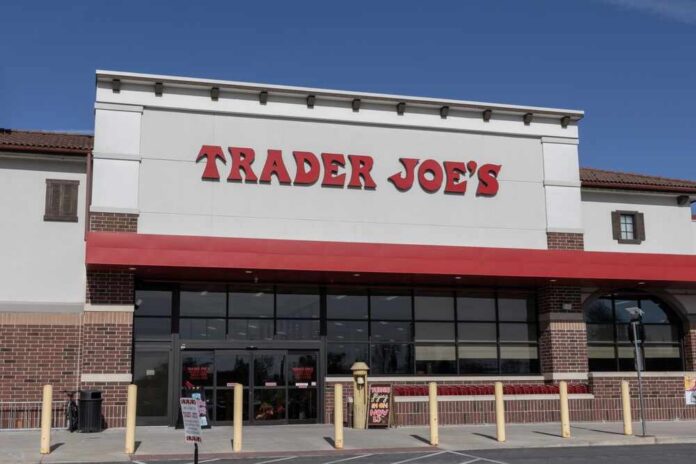
Trader Joe’s faces a class-action lawsuit because customers discovered their “low acid” coffee packs only had half the caffeine punch of regular blends, without any warning label.
Story Snapshot
- Four plaintiffs from California, New York, and Illinois sue over French Roast Low Acid whole bean coffee containing 51% Dark French Roast caffeine and 45% House Blend caffeine.
- Independent tests revealed the shortfall, leading to claims of deceptive marketing under California consumer laws.
- Suit demands sales halt, damages, and labeling fixes, highlighting reliance on unlabeled full-caffeine norms.
- FDA guidelines require disclosure only for reduced-caffeine products, such as decaf or half-caff.
- Potential industry shift toward testing and disclosing caffeine in specialty coffees.
Lawsuit Filing Details
Four customers filed a class-action lawsuit against Trader Joe’s in California Superior Court on Thursday. They targeted the French Roast Low Acid whole bean coffee, sold nationwide in stores.
Independent testing showed it holds about 51% of the caffeine in Trader Joe’s Dark French Roast and 45% of the House Blend. Plaintiffs argue that this misleads buyers who expect a full caffeine boost for their morning grind.
A New Lawsuit Claims Trader Joe’s Coffee Has Way Less Caffeine Than Expected https://t.co/nhIXZoIAee
— Delish (@Delish) April 26, 2026
Consumers purchased the product believing “low acid” meant stomach-friendly without cutting energy. The suit claims that Trader Joe’s exploits industry standards that allow full-caffeinated coffee to go unlabelled, unlike decaf or half-caff options.
Coffee drinkers depend on caffeine to power through demanding days, making undisclosed reductions a raw deal.
Coffee Labeling Standards Exposed
FDA guidelines shape coffee labeling: regular full-caffeinated blends require no caffeine disclosure. Processes that reduce caffeine, such as decaffeination, require explicit labels such as “decaf” or “half-caff.”
Plaintiffs assert Trader Joe’s French Roast Low Acid bypasses this by touting low acid for sensitive stomachs while hiding its half-strength caffeine. This gap leaves everyday buyers in the dark pre-purchase.
Testing compared it unfavorably even to competitors’ half-caff lines from Folgers and Puroast. Without lab gear at checkout, consumers overpay for subpar jolt. The lawsuit alleges false advertising, eroding trust in grocery staples Americans rely on daily.
Plaintiff Motivations and Demands
Unnamed plaintiffs from three states represent a nationwide class of affected buyers. They seek compensation for the overpayment, an injunction halting “unlawful” sales and marketing, and a reassessment of past claims.
Motivations stem from perceived deception: paying a premium for low-acid coffee assumed to deliver a standard caffeine kick. Class-action scale challenges Trader Joe’s status as a retail giant.
No prior Trader Joe’s caffeine suits exist, making this novel amid food-labeling precedents such as “natural” claims. Attorneys cite testing as ironclad, arguing low-acid branding implies full strength absent warnings.
Trader Joe’s Position and Response
Trader Joe’s has issued no statements regarding coverage breaks. The chain fiercely defends its product lineup, but silence leaves questions hanging. Potential defense: low acid targets digestive issues, not caffeine levels, and fits FDA norms for unlabeled regulars. Facts show reduced caffeine intake—51% and 45% metrics demand scrutiny of marketing spin.
Trader Joe's customers sue over coffee's caffeine levels. https://t.co/3CFnY9988E
— CBS News (@CBSNews) April 25, 2026
From a personal responsibility tempers lawsuits, but facts here support plaintiffs: undisclosed half-caffeine masquerading as full robs workers needing that edge.
Potential Industry Ripples
Short-term, Trader Joe’s risks product pull, relabeling, or legal fees. In the long term, victory could set a precedent for caffeine disclosure in low-acid or specialty coffees. Competitors like Folgers face pressure to audit their lines.
Millions in damages loom from the class action, hitting nationwide caffeine-dependent consumers—think commuters and shift workers.
Socially, it sharpens distrust of grocery labels; politically, FDA review might follow. Broader effects reinforce norms: label reductions clearly. Limited early coverage means watch for Trader Joe’s reply or rulings—caffeine wars could redefine your next brew.
Sources:
Trader Joe’s customers sue claiming there is not enough caffeine in their coffee
Trader Joe’s customers sue over coffee’s caffeine levels – CBS News
Trader Joe’s Low Caffeine Coffee Lawsuit – Delish