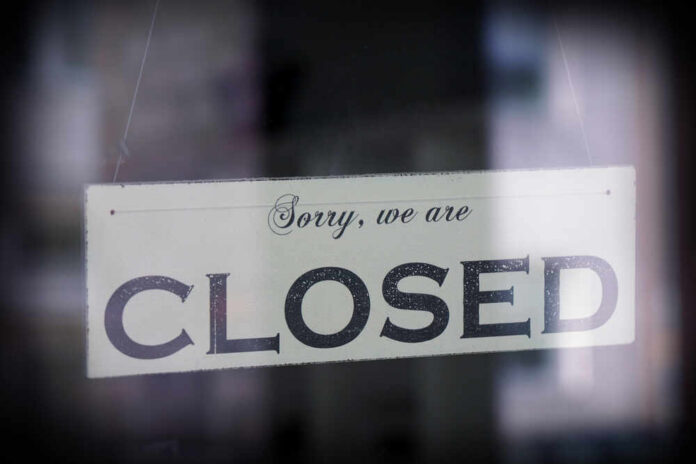
A 141-year-old candy name didn’t die because people stopped loving sweets; it died because the math stopped working.
Quick Take
- Lammes Candies, founded in Austin in 1885, is permanently closing all physical retail locations as costs and market conditions squeeze margins.
- The Round Rock store posted its closure notice on April 24, 2026; the final Austin site at 5330 Airport Blvd. includes both retail and manufacturing.
- The company plans to keep selling online “indefinitely” while inventory lasts, winding down in an orderly way and supporting employees through the transition.
- Soaring cocoa prices, higher labor costs, and a tougher consumer climate expose how vulnerable heritage, family-run brands are to global commodity shocks.
Lammes Candies’ closure shows how fast a “local institution” can hit a wall
Lammes Candies started in 1885, when Austin still felt like a frontier town and a German immigrant, Rudolph Lammes, built a candy kitchen into a community ritual.
The company outlasted wars, recessions, and Austin’s transformation into a boomtown. In April 2026, the family-run chain chose a hard ending for its storefront era: close every retail location and shift to online-only sales while product remains.
Beloved candy company shutters after 141 years as costs soar https://t.co/gH6yj78NJQ
— FOX Business (@FoxBusiness) May 5, 2026
The decision lands differently because it’s not a faceless corporate retreat. It’s the kind of small-business shutdown that older Texans read as a cultural signal flare: if a praline maker with a century-plus of goodwill can’t keep a couple of stores open, something fundamental has changed.
Lammes cited changing market conditions, long-term sustainability, and rising operating costs, with ownership age also part of the reality.
The timeline is orderly, but the emotional impact is abrupt
A notice posted April 24, 2026, made the Round Rock closure official. The remaining Austin location at 5330 Airport Blvd. carried extra weight because it wasn’t just a shop counter; it included manufacturing.
No firm public date locked in the final shutdown at the time of reporting, but the direction was clear: wind down carefully, keep fulfilling orders, and provide support to employees as roles end.
That “orderly wind-down” language matters. It signals responsibility, not drama. A family business that’s been around since 1885 tends to care about leaving the lights off the right way: pay what’s owed, ship what’s promised, and protect reputations built over generations.
Customers can still buy online, but that’s a different kind of relationship—less Saturday errand, more shipping confirmation.
Cocoa didn’t just get expensive; it turned into a stress test
The candy business lives and dies on inputs, and cocoa became the input that broke the routine. Commodity analysis cited in coverage tied the problem to a hangover from Q4 2025 cocoa highs, driven by shortages and disruptions in West Africa.
When the key ingredient jumps dramatically, small producers face a brutal choice: raise prices and risk losing price-sensitive buyers, or absorb costs until cash flow collapses.
Big candy corporations can hedge, negotiate, and spread spikes across massive volume. Family operations can’t. Common sense says you can’t run a heritage shop on sentiment when your raw materials and labor costs rise faster than your customers’ willingness to pay.
Inflation doesn’t care how many birthdays your brand has. Neither do interest rates when you finance inventory, equipment, or facility costs.
Austin’s growth creates opportunity, but it also punishes small storefront economics
Austin’s transformation cuts both ways. More residents should mean more customers, yet higher rents, higher wages, and a more convenience-driven market grind down specialty retail.
People who once made a dedicated trip for pralines now default to delivery, big-box options, or whatever pops up in a quick search. A store becomes less of a destination and more of a cost center with unforgiving fixed expenses.
Lammes’ pivot to online sales is a rational survival move, but it also exposes the uncomfortable truth: the “store” part of a candy store might be the least sustainable part.
Online lets a company shed rent and shrink front-of-house labor, but it also throws the brand into a national ocean where it competes on shipping speed, packaging, and digital marketing—skills that don’t always match a craft-food legacy.
“Aging ownership” is not an excuse; it’s an operational constraint
Reports also referenced aging ownership as a contributing factor. That detail can sound personal, but it’s practical.
Running retail and manufacturing through an inflation spike requires constant reinvention: renegotiating suppliers, changing product mix, investing in equipment, rebuilding staffing models, and absorbing compliance and benefit costs.
A multi-generational business can do that, but only if leadership has the runway and appetite for another full-scale rebuild.
From a real-world perspective, this is where romantic narratives collide with responsibility. No one owes a business survival, and no business owner owes the public a lifetime of stress to preserve nostalgia.
When leaders decide the operation no longer pencils out, closing is often the most honest answer. The alternative can be debt, broken promises, and employees left with a mess.
This closure hints at a broader contraction in premium and artisanal sweets
Lammes isn’t an isolated blip. Another chocolate name in Texas, Kate Weiser Chocolate in the Dallas area, reportedly closed on April 15, 2026, under similar pressures.
That pattern—beloved brands squeezed by ingredient shocks and consumer pullbacks—suggests more consolidation ahead. When households tighten budgets, “small luxuries” get postponed, and small producers feel it immediately.
The larger warning for communities is simple: once manufacturing and retail footprints disappear, they rarely come back. A website can keep a brand alive, but it can’t replace local jobs, neighborhood routines, or the civic identity that forms around a place you can walk into.
Lammes going online-only might extend the product’s life, yet the storefront era is ending the way many American small businesses now do—quietly, under cost pressure.
The open question is whether customers will treat the online shop as a stopgap or a new habit. If enough people keep buying, Lammes could remain a mail-order tradition for years.
If they don’t, “indefinite” becomes a polite word for “until it’s gone.” Either way, the closure is a reminder that heritage is priceless to the heart, but it still has to survive quarterly reality.
Sources:
141-year-old candy store chain closes all retail locations