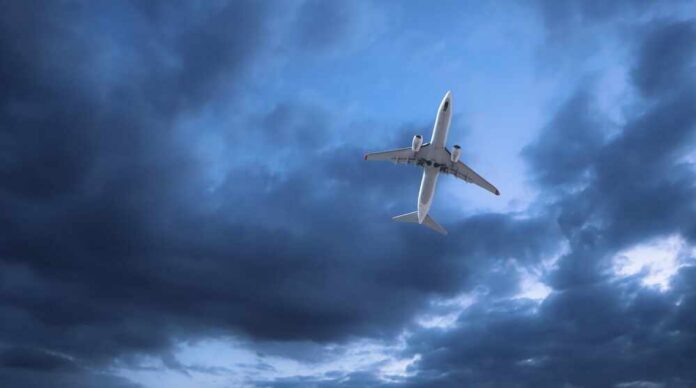
Passengers felt a jolt; another crew reported flames, yet the jet returned, landed, and taxied in under its own power.
Story Snapshot
- American Airlines Flight 3230 declared “mayday” soon after takeoff from Phoenix.
- A SkyWest crew behind them reported flames from one engine; the AA crew reported a hydraulic problem.
- The Airbus A319 returned to Sky Harbor, landed safely, and taxied to the gate.
- American Airlines pulled the aircraft from service for a maintenance inspection.
What happened over Phoenix, minute by minute
American Airlines Flight 3230 departed Phoenix Sky Harbor for Portland on November 19, 2026. Soon after takeoff, air traffic control told the crew that a SkyWest flight behind them had flames coming from one engine and possible fluid leaks. The American Airlines pilots radioed back that they were working a hydraulic problem and planned to return. They declared “mayday,” turned back, and landed within minutes. The jet then taxied to the gate under its own power.
American Airlines said the aircraft landed safely, and the airline moved passengers to another plane. The company said the aircraft was taken out of service for maintenance inspection. The airline also said there was no evidence of fire. The report of flames came from the following SkyWest crew, relayed by the controller. The available records show the mayday call, the hydraulic issue reported by the pilots, and a safe return without injuries.
Why pilots call mayday for hydraulic warnings
Pilots declare “mayday” to get priority and full support when a risk could escalate fast. A hydraulic problem fits that bill. Hydraulics power key systems like brakes, spoilers, and flight controls. A leak can spray hot fluid that looks like smoke or flame if it hits hot parts, and it can degrade control or stopping power. That is why pilots act first and diagnose later. The “mayday” here aligns with training and safety rules.
Similar aviation cases show how fluid, heat, and airflow can create dramatic sights without a sustained engine fire. Past National Transportation Safety Board records detail events where hydraulic or oil leaks made smoke or brief flames near engine cowls or hot exhaust, even when final findings differed from initial reports. The gap between what people see and what maintenance later confirms is common in fast-moving flight operations.
Reconciling “flames spotted” with “no evidence of fire”
The facts line up like this: Another crew saw what looked like flames. The controller relayed that to American 3230. The American crew reported a hydraulic issue and returned. The airline later said maintenance found no evidence of fire damage. Those statements can all be true at once. Heat, fuel-air mix, or atomized fluids can create flashes that look like fire without leaving classic burn marks or scorched parts after landing.
🚨🚨🚨 BREAKING 🚨🚨🚨
An American Airlines N703UW Flight AA3230 Airbus A319 carrying 120 people declared a "Mayday" shortly after departing Phoenix Sky Harbor Airport.
Controllers advised flight AA3230 after a SkyWest flight behind them spotted flames and a possible fluid… pic.twitter.com/Anq092PXaI
— Alma Gentil (@Chinoy200096633) November 20, 2026
Aviation reporting often captures the scene first, then the lab work later. The Federal Aviation Administration’s safety guidance encourages reporting any potential hazard, including smoke, leaks, and suspected fires. That reporting does not mean a final diagnosis on the spot. It means crews and controllers treat the situation as real until proven otherwise. That is sane risk control and reflects a safety culture where speed, clarity, and checklists come before public relations.
What this says about airline safety and judgment
The crew made the smart call: aviate, navigate, communicate, then land at the nearest suitable airport. The safe landing and taxi show stable control and enough systems working for a normal rollout. Pulling the aircraft from service for inspection shows the airline respected the warning signs. Claims that the engine “caught fire” oversell what the airline later reported, but downgrading the Mayday would ignore the plain risk that a hydraulic issue can bring. The balance here was right.
American conservative values prize competence, accountability, and telling the truth without drama. The record supports that tone. The pilots took decisive action. The controller passed on critical information. The airline got everyone back on the ground and turned the jet over to maintenance. Readers can hold two ideas at once: the situation was serious enough for a mayday, and the landing was safe enough to taxi in. Both facts beat hype and speak to a system that works.
What to watch next
The most useful update will be the maintenance findings: what triggered the hydraulic alert, whether any component leaked, and whether heat marks, fluid residue, or sensor faults turned up. The exact passenger count and small details like a reported flat tire matter less than the core fix. The headline already wrote itself at pushback. The win came from checklist discipline, calm radio work, and a short flight that ended where it started, with fire trucks waiting just in case.
Sources:
foxbusiness.com, azfamily.com, thedailybeast.com