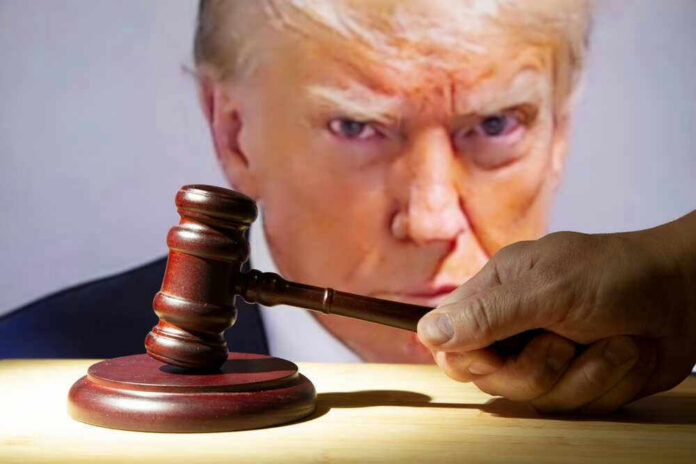
A federal appeals court just opened a door that New York prosecutors spent years trying to keep shut on President Trump’s hush money conviction.
Story Snapshot
- The Second Circuit Court of Appeals ruled that removing a state criminal case to federal court is not automatically off the table after a conviction.
- Judges vacated a lower court order and told that court to let Trump file a new notice of removal in his 34-count hush money case.
- The ruling creates a federal path for Trump to argue presidential immunity should wipe out his conviction, but it does not decide that question yet.
- Manhattan prosecutors insist the case involves personal, unofficial conduct not covered by immunity, and say any immune evidence was harmless given the rest of the proof.
What The Appeals Court Actually Decided
The three-judge panel did not toss out Trump’s conviction. Instead, it fixed a narrower but important legal question: can a case move to federal court after a conviction has already happened? The district court had said no, calling it categorically off limits. The Second Circuit disagreed, ruling that door stays open even after a jury has spoken.
Judges also found Trump’s lawyers had shown good cause for filing a second removal notice, even though it came late in the process. That matters because federal removal law under sections 1442 and 1455 of the federal code sets strict deadlines, and prosecutors had argued Trump missed his window. The panel’s order sent the case back down with instructions to grant the motion.
Why Moving Courts Could Change The Immunity Fight
A federal courtroom gives Trump a different playing field. There, he can argue the Supreme Court’s 2024 immunity ruling in Trump v. United States should block prosecutors from using evidence tied to official presidential acts. That decision gave presidents broad protection for core constitutional duties and at least presumptive cover for other official business while in office.
If a federal judge agrees certain trial evidence should never have been shown to the jury, Trump’s team could push to have the verdict thrown out entirely. That is the real prize here. The appeals court ruling does not grant that outcome. It only clears the procedural roadblock that was keeping the immunity argument from being heard in the court Trump believes gives him the best shot.
The Conviction Still Stands For Now
Nothing about this ruling erases the 34 felony counts a Manhattan jury returned against Trump over falsified business records tied to a $130,000 payment. Those convictions remain on the books unless a court later vacates them. The appeals panel changed where the fight happens, not whether Trump actually committed the crimes a jury already found him guilty of.
Manhattan prosecutors have made clear they intend to keep fighting on the merits. Their office argues the hush money payment and the cover-up were personal matters, not presidential duties, meaning immunity should never apply in the first place. They also point to testimony from former aide Hope Hicks, arguing it described general office practices or personal conversations, not protected official acts.
Prosecutors’ Fallback Argument Matters Too
Even if a federal judge eventually agrees some evidence should have stayed out, prosecutors have a second line of defense ready. They argue the conviction rested on a mountain of other proof unrelated to any immune conduct, meaning any mistake was harmless and does not require overturning the verdict.
That argument carried weight in the original New York trial court, which ruled prosecutors had already rebutted any claim of immunity for contested testimony without needing to dig into Trump’s motives for his actions. Whether a federal judge sees it the same way is the next real battle, and it will decide far more than this appeals ruling did.
A federal appeals court on Monday gave President Trump another chance to move his New York hush money case to federal court.
In a two-page order, a three-judge 2nd Circuit panel said U.S. District Judge Alvin Hellerstein "erred" when he ruled Trump waited too long to raise a…
— Patrick Hacker (@HackerPdhacker) November 24, 2026
For now, the practical effect is simple. Trump gets another shot at a federal forum, prosecutors keep their conviction, and the immunity question everyone actually cares about still awaits a real decision. Expect plenty of noise calling this a win or a loss before any judge rules on the merits.
Sources:
theguardian.com, mercurynews.com, courthousenews.com, thehill.com, nbclosangeles.com, edition.cnn.com