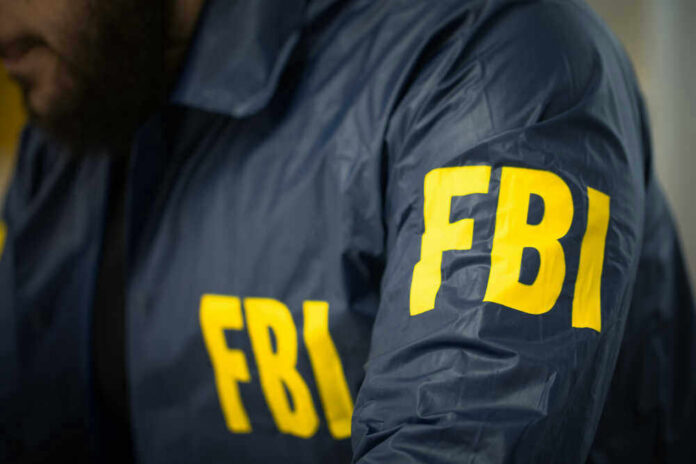
The FBI is investigating an apparent hack of the national database that police across the country use to check for fugitives, stolen cars, and missing persons.
Quick Take
- President Trump confirmed the National Crime Information Center (NCIC) was targeted in a hack, and a law enforcement source backed up the claim to ABC News.
- The database handles over 10 million transactions a day and stores records on wanted criminals, stolen property, and missing people.
- The FBI has not publicly confirmed the breach, and investigators have not said what was accessed or how long the intrusion lasted.
- This marks the second apparent FBI-related cyber incident in a matter of months.
What President Trump Said About The Breach
President Trump told reporters the NCIC had been hit, calling it “not good.” He also suggested the breach could surface information tied to past political controversies and claims of voter fraud, though no reporting cited in this story offers evidence connecting the hack to those topics. ABC News reported that a law enforcement source separately confirmed to the network that the database had in fact been hacked.
BREAKING: President Trump responds to reports that hackers breached the FBI’s National Crime Information Center, saying “it's not good.”pic.twitter.com/xx80uvoQtJ https://t.co/efTDIr4REg
— The Tectonic (@thetect0nic) November 21, 2026
The Associated Press reported that a person familiar with the matter confirmed the FBI was investigating an apparent intrusion. That report built on earlier reporting from CNN, which first broke the story.
Why This Database Matters To Every Police Department
The NCIC is not some obscure back-office system. The Associated Press described it as a computerized database used by local, state, and federal law enforcement nationwide. It holds records on fugitives, missing persons, criminal histories, and stolen property. Officers pull from it during traffic stops, warrant checks, and active investigations. Any disruption or unauthorized access touches police work in nearly every town in America.
One research estimate put daily use of the system at roughly 10.8 million transactions, with every search logged for the life of the system. That means a breach doesn’t just risk current records. It could expose a long history of who law enforcement has been looking for and why, depending on what, if anything, an intruder actually reached.
What Remains Unclear About The Scope Of Access
Investigators have not said when unauthorized access may have started or how long it continued. Reporting describes the timing as still unclear, which means recent discovery of the incident does not tell us when it actually began. That gap matters because it shapes how much data could theoretically have been exposed before anyone noticed.
No report cited here confirms that attackers stole, copied, or altered any NCIC records. Investigators have also not disclosed how the intrusion happened or who is behind it. ABC News reported that both the identity of the perpetrators and the overall scale of the incident remained unknown at the time of reporting.
How FBI Security Rules Define A Breach
Under the FBI’s own Criminal Justice Information Services security policy, a breach is defined broadly. It can include unauthorized disclosure, loss of control, or even potential access to personal information, not just confirmed theft of data. That policy also requires agencies to have procedures in place for detecting, analyzing, containing, and recovering from incidents like this one. That standard explains why an investigation can be underway well before anyone can say what, if anything, was actually taken.
The FBI declined to comment when asked by the Associated Press, and the bureau has not issued a public statement confirming the incident. That silence leaves the public relying on anonymous sources and media reporting for now. Several outlets have also noted this would be the second major cyber incident tied to the FBI in recent months, following an earlier breach of a bureau recruitment website, though no source confirms the two events are connected.
For a law enforcement system this central to daily policing, transparency matters. Americans deserve a clear, on-the-record account from the FBI about what happened, when it started, and whether sensitive records were reached. Until that comes, the public is left piecing together a serious story from sources who, by necessity, aren’t speaking on the record.
Sources:
abcnews.com, pbs.org, fox17.com