Police tied five missing women to one Philadelphia house after a traffic stop turned up guns, drugs, and a fake federal badge.
Story Snapshot
- A June vehicle stop led officers to an Olney home tied to missing women.
- Detectives say seized video shows two women alive and then appearing dead.
- Excavation and more than 95 warrants broadened the investigation.
- Federal prosecutors indicted the suspect on gun and false-credential charges.
The stop that cracked open a house of questions
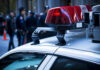
Philadelphia officers pulled over Eugene Albert Horsch on June 19. A woman with him handed over an identification card that belonged to missing person Blair Tonzelli, who vanished in 2023, linking the stop to an active missing-woman case.
Police searched the vehicle and reported finding two guns with obliterated serial numbers, cocaine, fentanyl, marijuana, and a counterfeit Drug Enforcement Administration badge with Horsch’s photo under another name. That mix of contraband set off a deeper look at his Olney address.
5 missing women now linked to massive investigation at Philadelphia home https://t.co/5FVe5nwzZ7
— ABC11 EyewitnessNews (@ABC11_WTVD) September 15, 2026
Detectives moved quickly on the house on West Chew Avenue. They described a barricaded home packed with surveillance gear, a basement setup that looked like a lab, and 55-gallon drums holding an oily substance.
They cataloged more than 50 electronic devices. They also seized five urns that investigators believed might contain cremated remains, pending forensic testing. That initial sweep pushed the case beyond a routine gun and drug arrest.
Digital evidence that raised the stakes
Homicide detectives said they found video on a hard drive showing two missing women, Marbel Fresus and Gabrielle Amarando, first alive and later appearing dead. No bodies were recovered, but police said the footage shifted their focus to suspected deaths tied to the property.
Prosecutors do not need a body to pursue a homicide case if other evidence is strong, yet that path often relies on patient, layered proof built from devices, timelines, and lab results.
The scope expanded. Reporters learned investigators executed more than 95 search warrants, and federal analysts began reviewing a vast digital trove. That trove reportedly includes hundreds of thousands of images and tens of thousands of videos.
The size matters: large datasets can hide, or reveal, patterns of contact, coercion, and disposal. They can also confirm who handled which files and when through timestamps and device logs.
From local charges to a federal courtroom
The gun and false-credential allegations moved into federal hands. A federal grand jury indicted Horsch on July 9, 2026, for firearm possession and holding fake federal law enforcement credentials.
The United States Attorney’s Office then took over the case, and local prosecutors withdrew their counts. That transfer signals higher stakes on the firearm and badge charges and gives investigators national tools to process evidence and secure cooperation across agencies.
No murder charges have been filed in public court records. The Philadelphia Medical Examiner has not issued death rulings without remains, which is standard practice.
Police and prosecutors often continue excavation, lab testing, and interviews before adding counts tied to death or disappearance. That stepwise approach may frustrate the public, but it helps prosecutors avoid errors that could weaken a future trial.
Why this house gripped the city
Excavators and agents have combed the Olney property and the surrounding ground. Reporters described technicians in protective suits, evidence teams pulling electronics, and specialists sampling liquids and soil.
The imagery calls to mind other high-profile cases, and some outlets have drawn comparisons. But this case stands on its own facts: a traffic stop, a missing woman’s identification in a passenger’s hands, a cache of weapons and drugs, and digital files that detectives say show two women no longer alive.
Five missing women are now linked to the investigation through timelines and reported evidence, a number that has grown as police mapped connections to the house and its occupants. That rise did not happen overnight.
It followed interviews, device extractions, and the slow work of tying names, faces, and dates to places and files. The outcome now rests on forensics.
If lab tests match urn contents or residues to human remains, or if digital chains prove authentic and unbroken, the case shifts again.
Sources:
abcnews.com, nbcphiladelphia.com, inquirer.com, usatoday.com, 6abc.com, lawandcrime.com, cbsnews.com