About six in ten Americans trust that this year’s midterm elections will be run fairly, but far fewer trust that President Trump will accept the results if his party loses.
Quick Take
- A new ABC News/Washington Post/Ipsos poll finds 6 in 10 Americans are confident the midterms will be conducted fairly and accurately.
- The same poll found 7 in 10 Americans doubt Trump would accept a Republican loss.
- Trump himself has said he will accept the results “if the elections are honest,” a conditional answer rather than a flat promise.
- Former Trump White House attorney Ty Cobb says Trump may be laying groundwork to declare an election-related emergency.
What The Poll Actually Found
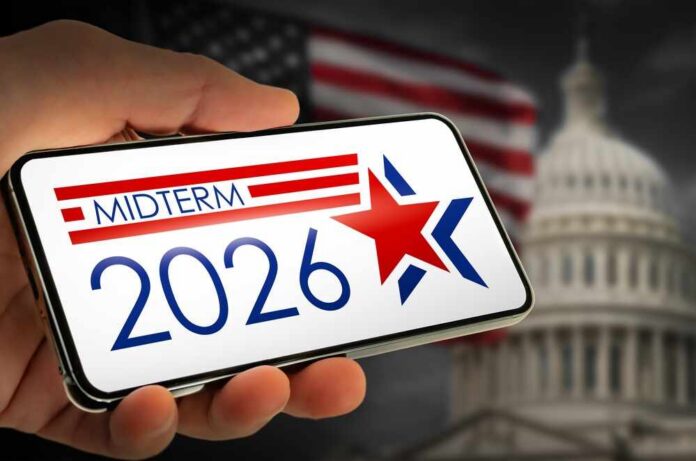
The ABC News/Washington Post/Ipsos survey questioned 2,545 adults from October 9 through 13. It found that about 6 in 10 Americans feel confident the 2026 midterms will be run fairly and accurately. That number shows real public trust in the machinery of elections, even as fights over politics heat up heading into November.
But confidence in the voting process is not the same as confidence in how leaders will react to it. The same poll found seven in ten Americans are not confident Trump would accept the results if Republicans lose control of Congress. Only 28% said they were very or somewhat confident he would.
That gap matters. Voters trust the ballots. They do not trust the man at the top of the ticket to honor what those ballots say if his side loses.
Trump’s Own Words Set The Terms
Trump has addressed the question directly. Asked in an NBC News interview whether he would trust the results if Republicans lost Congress, he said, “I will if the elections are honest.” He added, “I believe there was cheating. I think there was cheating,” without accepting the midterm results outright.
Trump has also said that if an election is not conducted honestly and properly, “something else has to happen.” He has not spelled out what that something else would be. The statement leaves the door open to a dispute rather than closing it, which is exactly why pollsters asked Americans about it in the first place.
The 2020 Precedent Still Shapes Expectations
Public doubt about Trump accepting a loss did not appear out of nowhere. The U.S. House Select Committee that investigated the January 6, 2021, Capitol attack found that Trump refused his constitutional duty to transfer power peacefully after losing in 2020. The committee also documented that he kept challenging the result after losing dozens of lawsuits and after his own senior advisers rejected his fraud claims.
That history gives the current polling its weight. Americans are not guessing at random when they say they doubt Trump will accept a loss. They are drawing on a documented record from five years ago, one built on court filings, sworn testimony, and a lengthy congressional report rather than speculation.
A Former Insider’s Specific Warning
Ty Cobb, who served as a White House attorney under Trump, told PBS NewsHour he believes recent rhetoric is designed to “add the predicate” needed to declare an emergency around the midterms. Cobb also said Trump wanted to seize voting machines after the 2020 election, but then-Attorney General Bill Barr told him there was no legal basis to do it.
Cobb pointed to suggestions from Trump allies Steve Bannon and Todd Blanche that federal immigration agents could show up at polling places, a scenario Cobb said could intimidate minority and immigrant voters. He also raised the possibility of National Guard involvement, while saying that part remained uncertain.
Why Certification Fights Are Not New
Local officials refusing to certify results rarely happened before 2020. After that election, more than 30 officials in several states refused or threatened to refuse certification during the 2022 midterms. Every one of those 2022 disputes ended in certification, sometimes only after courts stepped in. That record shows attempted obstruction has grown, but so has institutional resistance to it.
Courts have long treated certification as a required, ministerial duty, not a chance to re-argue who actually won. That legal principle predates current politics by more than a century and gives election officials a clear rulebook to follow, no matter who challenges the results afterward.
None of this guarantees how the coming weeks will unfold. What is clear is that a president’s own words, a documented 2020 record, and a sworn former aide’s warning have combined to put a concrete question in front of voters: not whether ballots will be counted fairly, but whether the result will be accepted once they are.
Sources:
abcnews.com, pbs.org, dnyuz.com, x.com