The Trump administration is taking aggressive action against narco-terrorists flooding America with deadly drugs, but the methods used are raising serious legal and constitutional questions.
Quick Take
- Defense Secretary Pete Hegseth authorized lethal strikes on drug trafficking vessels in the Caribbean as part of an anti-narco-terrorism campaign
- White House confirms the strikes comply with the laws of war and target presidentially designated terrorist organizations
- Critics, including some lawmakers, question whether the tactics constitute war crimes or violate constitutional protections
- The administration argues the fentanyl crisis justifies aggressive military action against cartel operations
Administration Defends Military Action Against Drug Cartels
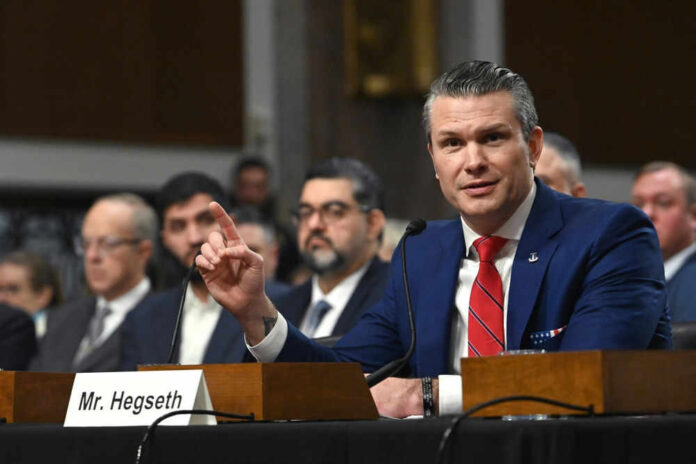
White House Press Secretary Karoline Leavitt confirmed on December 1, 2025, that Defense Secretary Pete Hegseth authorized a second military strike targeting alleged drug traffickers who survived a first strike on their vessel in the Caribbean during September 2025.
The administration characterizes these operations as lawful responses to designated narco-terrorist organizations threatening American citizens.
Leavitt emphasized that President Trump and Secretary Hegseth have established clear authority to conduct lethal targeting against foreign terrorist groups engaged in drug trafficking operations that kill Americans at record rates.
#BREAKING: White House confirms Pete Hegseth authorized second strike on drug boat https://t.co/OR1WYr6hKm
— The Hill (@thehill) December 1, 2025
The Fentanyl Crisis Driving Policy
The Trump administration’s aggressive posture reflects genuine frustration with the fentanyl epidemic devastating American communities. Illegal narcotics flowing from cartels have created a public health catastrophe, with deaths climbing steadily.
The administration views military action against trafficking networks as a necessary escalation beyond traditional law enforcement approaches.
This hardline stance resonates with conservatives who have long demanded decisive action against cartels flooding the nation with deadly drugs, particularly fentanyl produced in Mexico and China.
Legal Questions Emerge Over Strike Authorization
A Washington Post report alleged that Secretary Hegseth issued verbal orders to “kill everybody” aboard a targeted vessel, prompting concerns from both Republican and Democratic lawmakers about potential war crimes.
The initial strike left survivors clinging to a burning boat, leading to a follow-up strike that killed two additional people.
These details raise constitutional and international law questions about proportionality, rules of engagement, and proper authorization procedures for military operations affecting non-combatants.
Administration Claims Lawful Authority
The White House maintains that Admiral Frank Bradley operated within legal authority and the laws of war when executing the strikes. Officials argue that designated narco-terrorist organizations forfeit standard protections when actively threatening American security and poisoning citizens with illegal drugs.
The administration asserts that presidential authority permits lethal action against foreign terrorist groups engaged in activities directly harming the United States, treating cartel operations similarly to traditional military targets rather than criminal enterprises.
Conservative Values and Government Power Balance
This situation presents a tension within conservative philosophy. While conservatives demand aggressive action against cartels and the fentanyl crisis, concerns about unchecked executive power and military operations without proper congressional oversight reflect traditional conservative skepticism of government overreach.
The strikes demonstrate that even popular policy goals can raise legitimate constitutional questions about presidential authority, due process, and the proper balance between security and legal restraint that conservatives have historically championed.