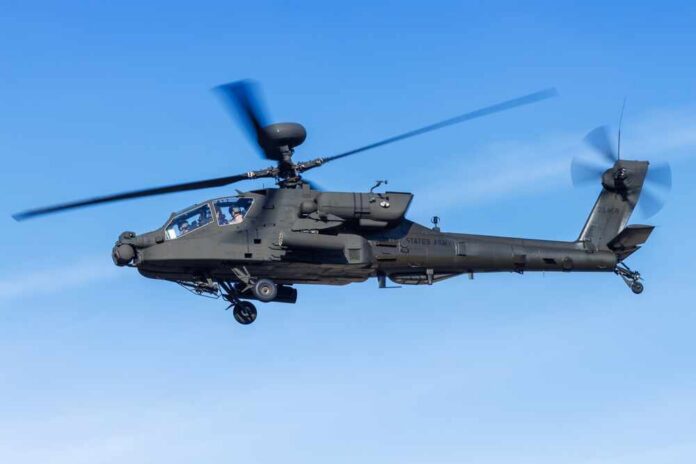
The Army wants to restart helicopter training near Reagan National, but only if the Federal Aviation Administration signs off—and 47 open safety fixes still hang over the plan.
At a Glance
- The Army says flights will not restart without Federal Aviation Administration approval.
- The Federal Aviation Administration says its approval is required and that it has not yet received a formal request.
- National Transportation Safety Board leaders cite 47 open safety recommendations tied to the crash.
- Lawmakers and crash families demand proof of fixes before any restart near Reagan National.
What the Army Plans and Who Must Approve It
The Army briefed select lawmakers on a plan to restart helicopter test or training flights around the Pentagon and the airspace near Reagan National. Reports described potential dates in early to mid-December. The Army also engaged with the Federal Aviation Administration ahead of any restart and told offices that no flights would resume without FAA approval. The Federal Aviation Administration said approval is required before training can restart and also said it had not yet received a formal request at the time of the reports.
Those two facts shape the real boundary. The Army cannot fly these training profiles near that runway environment until the civil regulator says yes. That is how the system should work. The approval gate matters even more here because the last crash did not flow from one bad decision. Investigators found wider problems in routes, oversight, risk management, and traffic awareness. That is why the regulator’s documented review, with conditions, is the next honest step, not a box to check.
Why the Safety Questions Are So Sharp
The National Transportation Safety Board Chair said 47 related safety recommendations remain open. Those include calls for better traffic awareness tech on military helicopters, like broadcast systems and cockpit displays that warn with sound. The public record does not yet show whether the Army has installed, certified, and proven those systems in the aircraft slated to fly this area. That missing detail fuels doubts, because technology and clear alerts can break the error chain.
A separate scare after the deadly crash hardened those doubts. In May 2025, an Army Black Hawk came close enough to traffic that two commercial jets aborted landings at Reagan National. The Federal Aviation Administration suspended military helicopter training flights after that event. Critics now point to that near miss to argue the system fixes remain incomplete in practice, not just on paper.
What Lawmakers and Families Want to See First
Rep. Don Beyer pressed for training somewhere other than the airspace next to Reagan National’s busiest runway. He also said the Army should not fly these profiles again until it completes the National Transportation Safety Board’s recommendations. Families who lost loved ones asked what has changed, and how the Army will ensure those failures never repeat before flights return. These are reasonable asks: show the plan, show the tech, and show the test results before spooling up rotors.
The U.S. Army is looking to resume helicopter training flights near Ronald Reagan Washington National Airport (DCA), less than two years after a midair collision between an Army helicopter and a regional jet killed 67 people. https://t.co/rwX2bydQ1p pic.twitter.com/JJzjGlQ2gQ
— AvWeb (@avwebnews) November 25, 2026
From a conservative, common-sense view, the path is simple. Mission readiness matters, and helicopter crews must train in complex airspace to be ready for real-world tasks. But accountability also matters. A regulator-approved plan, a published safety case, and working collision-avoidance alerts do not handicap the mission; they guard it. The Army should put its safety-risk assessment, routes, weather limits, and go/no-go rules on the table for review. Trust grows in daylight, not in rumor.
What Would Settle the Debate
Three deliverables would calm the fight fast. First, a formal Federal Aviation Administration docket that shows the Army’s request, the agency’s review, and any operating limits or tech requirements attached to approval. Second, verified aircraft records proving installation and checks of broadcast systems and audible cockpit traffic alerts on the specific helicopters assigned to these flights. Third, a joint simulation using real Reagan National traffic data to show the new procedure maintains safe separation at night and in poor weather.
Bottom Line
The Army’s intent to resume training is not the same as approval to fly. The Federal Aviation Administration holds that key and says the lock is still in place until a formal request arrives. The National Transportation Safety Board’s open recommendations set the bar for any review. Meeting that bar with real hardware, clear procedures, and transparent tests aligns safety with readiness. That is how you honor 67 lost lives, rebuild trust, and still train to standard in the nation’s most watched airspace.
Sources:
cbsnews.com, nbcwashington.com, flyingmag.com, avweb.com, adn.com