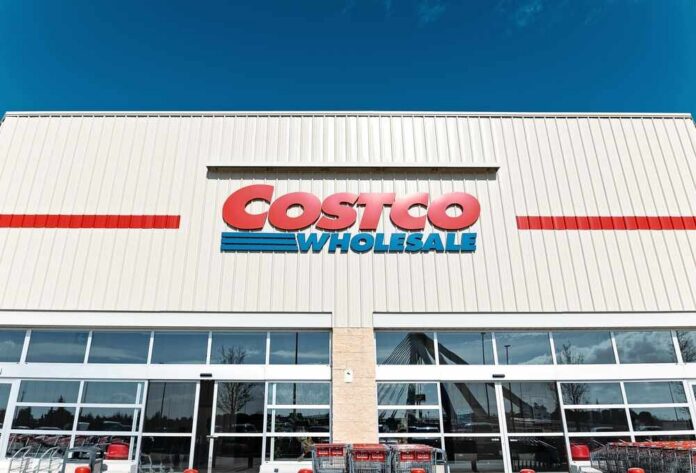
A box of “steak” burritos at Costco turned out to be egg-filled breakfast burritos instead, and that surprise swap is exactly how a quiet freezer mistake turned into a national health alert.
Story Snapshot
- Frozen Red’s Steak, Cilantro & Lime Burritos at Costco were found to contain egg-filled burritos instead.
- The egg ingredient is not listed on the label, creating a hidden danger for people with egg allergies.
- The U.S. Department of Agriculture’s Food Safety and Inspection Service issued a public health alert, not a recall, because the products are off shelves but likely still in home freezers.
- A single consumer complaint about “wrong burritos in the box” triggered the investigation and the alert.
How A Freezer Favorite Became A Health Warning
Federal food safety officials moved fast after a Costco shopper opened a box of Red’s Steak, Cilantro & Lime Burritos and realized they were not steak burritos at all.
What looked like a simple packaging mix-up turned into something more serious when investigators found that the product inside contained egg, a major allergen that never appears on the carton’s ingredient list. For someone with an egg allergy, that kind of surprise can mean a trip to the emergency room, not just a ruined dinner.
A labeling error has led the U.S. Department of Agriculture to issue a public safety alert for frozen burritos made by a popular brand and sold in Costco stores. https://t.co/jOYvyXQA99
— FOX 5 NY (@fox5ny) July 29, 2026
The U.S. Department of Agriculture’s Food Safety and Inspection Service, often called FSIS, responded by issuing a public health alert for the mislabeled product on July 29.
The alert covers Red’s Steak, Cilantro & Lime Burritos produced on June 19, 2026, at establishment number EST. 46069 and shipped to Costco warehouses in Illinois, Michigan, and Minnesota. That tight detail on date and plant is not trivia. It is how regulators trace a specific problem batch in a massive national food system where one labeling error can reach thousands of households.
What Regulators Know About The Mix-Up
FSIS and media reports agree on the basic facts: boxes labeled as steak burritos actually held a different Red’s burrito that contains egg. Some coverage and social posts describe them as egg breakfast burritos, which fits Red’s broader product line, though the official alert does not name the exact substitute flavor.
What matters for regulators is not whether the wrong burrito tastes good. It is that the ingredient list on the outside did not match what was inside, and the missing egg warning can put allergic shoppers at risk.
The alert notes no reports of illness or allergic reactions so far, which suggests FSIS acted before harm was documented rather than after a wave of emergency calls.
That precaution first mindset is common in allergen cases. Egg, like peanuts or shellfish, can trigger serious and sometimes life-threatening reactions in sensitive people, even from small amounts. When a label hides that risk, regulators do not wait for proof by ambulance. They treat accurate labels as a basic promise to consumers that should never be broken.
Why This Is A Public Health Alert, Not A Recall
Many shoppers are used to seeing the word “recall” when food goes wrong. In this case, FSIS chose a public health alert instead. That choice comes down to timing. The affected burritos are no longer for sale at Costco stores, so regulators did not ask the company to pull items from shelves.
Instead, they focused on the real danger zone now: home freezers. Those boxes bought weeks ago can sit “buried” under other frozen foods and still be eaten later by someone who trusts the label and has no idea egg is inside.
FSIS urged anyone who has the affected product to either throw it away or return it, with a special warning for people with egg allergies. The cartons were sold as 3 pound, 2 ounce boxes holding ten individually wrapped burritos, marked with establishment number EST. 46069 and specific lot codes printed on the side.
That kind of lot-by-lot mapping may feel tedious, but it is part of a larger pattern in American food safety. Undeclared allergens, often caused by packaging or line-cleaning mistakes, remain one of the most common reasons for alerts and recalls nationwide.
What This Says About Trust, Labels, And Common Sense
This case taps into something most busy families depend on but rarely think about: trust in that small print on a box. Many shoppers, especially those managing allergies in kids or grandkids, build meal plans around safe brands and clear labels. When a steak burrito turns out to be an egg burrito, the problem is not only the ingredient. It is the broken promise.
Accurate labeling is a basic duty of the company, not a luxury add-on. People should be able to trust that what they buy is what they get.
The open questions that remain are technical, not dramatic. Public reporting does not detail exactly where the mix-up happened in the plant or how many cartons contained the wrong burritos. It also does not show the lab tests or internal investigation notes that confirmed egg in the product.
Those gaps matter to engineers and regulators, but they do not change the core picture for shoppers. A mislabeled product with a hidden allergen reached Costco customers in three states. A consumer found it. FSIS traced it. And now the alert aims to keep a quiet freezer error from turning into a medical emergency for someone who simply trusted the label.
Sources:
foxbusiness.com, simplyrecipes.com, usatoday.com, foodsafetynews.com, parade.com, facebook.com