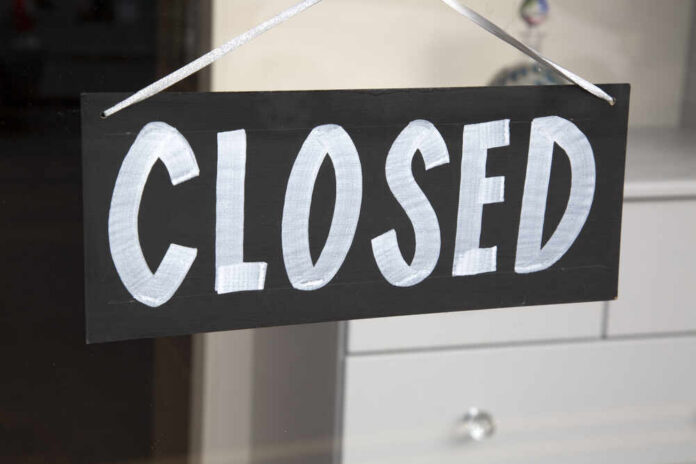
A fast-growing Australian burrito darling just bailed on America overnight, and the reasons say more about modern business math than they do about tacos.
Story Snapshot
- Guzman y Gomez shut every United States restaurant on the same day, ending a six-year Chicago experiment.[1][2]
- The company admits its American business “did not meet targeted hurdles,” but gives few hard numbers.[1]
- A second Naperville site was literally under construction when the plug was pulled, raising timing questions.
- The chain says it will refocus on Australia, where investors appear far more upbeat about the brand.[1]
A Sudden Exit That Was Years In The Making
Guzman y Gomez Mexican Kitchen arrived in Chicagoland pitching itself as a serious rival to Chipotle: drive-through burritos, polished branding, and an energetic, youth-focused vibe. After six years, the company posted a short statement saying that “after six years of burritos and big dreams in Chicagoland,” all United States restaurants would close and the business would “cease trading” on May 22, with immediate effect.[2] Customers saw locked doors before most even heard the news.
Chipotle rival Guzman y Gomez Mexican Kitchen closes all US restaurants https://t.co/LOVEpX8lU3
— FOX Business (@FoxBusiness) May 24, 2026
Every United States location sat in or around Chicago: Naperville, Schaumburg, Des Plaines, Bucktown, Evanston, and a handful of other suburbs.[1] This tight geographic cluster made Chicago both the launchpad and the verdict on the brand’s American ambitions. Management later conceded that the “financial performance of the United States business has not been acceptable and is not meeting targeted hurdles,” corporate language for “the numbers did not work.” That level of candor is rare, but the lack of supporting detail is striking.
What The Company Says Went Wrong
Executives did not blame the food, the staff, or some vague culture clash; they blamed strategy. Reporting cites management pointing to “major decisions that did not come to fruition,” including choosing “snowy Chicago” and leaning heavily into drive-through formats.[2] That phrase “major decisions” does a lot of work. It covers real estate bets, construction costs, traffic assumptions, and labor models—every big choice leaders make when they try to copy-paste a concept into a new country.
The company line puts the spotlight on financial discipline: the units missed internal benchmarks, and capital needed to move home to Australia.[1] From a common-sense lens, that is exactly what a responsible management team should do. When a project fails, you cut your losses rather than pour good money after bad. The concern is not that they exited; the concern is how long they waited, and how little they are sharing about what actually failed.
The Naperville Mystery And The Timing Problem
Local coverage in Naperville captured a detail that complicates the tidy “we missed our hurdles” story. While the company prepared to shutter everything, a second Naperville restaurant at 844 South Route 59 was mid-build, with banners promising a fall 2026 opening. Contractors had been working, signs were up, and residents expected another competitor in the already crowded fast-casual corridor. That expansion was not theoretical; it was concrete, steel, and lease commitments.
If the United States business had clearly failed, common sense says you do not keep pouring money into another location until the very last moment. Two possibilities remain. Either performance deteriorated sharply and unexpectedly, forcing a sudden reversal, or leadership had a divided view—publicly signaling confidence while private metrics flashed red. Without access to board minutes or store-level financials, outsiders cannot say which version is closer to the truth; they can only see the whiplash.[1]
Chicago, Competition, And The Limits Of Spin
Restaurant veterans have seen this movie before. Chains trumpet big expansion plans, sprinkle buzzwords about “growth corridors,” then go quiet when the unit economics disappoint. Coverage of Guzman y Gomez’s retreat follows the usual template: brisk headlines about closures, a short quote about unacceptable financial performance, and a quick pivot to the company’s next act in Australia.[1][2] That formula serves investors who want reassurance, but it does not fully answer why Chicago specifically proved so unforgiving.
The record so far offers no hard numbers on traffic, sales per restaurant, or margins.[1] Nothing shows whether customers stayed away, whether rents and wages crushed profits, or whether drive-through layouts were flawed for Midwest winters. Analysts describe this pattern across the industry: public explanations highlight one clean cause, usually “underperformance,” while the real story mixes misjudged sites, over-optimistic buildouts, and rising operating costs. That does not make the company dishonest; it does make the official narrative incomplete.[1]
From Burrito Dreams To Balance-Sheet Reality
Australia tells the other half of the story. Reporting notes that Guzman y Gomez will now “refocus efforts in growing in Australia” after shutting down the United States.[1] In other words, investors like the returns on one side of the Pacific and dislike the experiment on the other. That fits a broader pattern: global brands often retreat to their strongest home turf when interest rates rise, construction gets more expensive, and every new store must justify its cost in hard cash.
Guzman y Gomez exits US 🌯 Chicago closures 🚪 Major blow to international growth — burrito dreams delayed. 😬
— Emmycruz (@0xemmycruz) May 21, 2026
For consumers, the closure is just another “sorry we are closed” sign. For anyone who cares about how money really moves, it is a useful reminder. Markets do not care about brand sizzle or Instagrammable burritos; they care about whether each location earns more than it burns. Guzman y Gomez’s American chapter may be over, but the questions it leaves—about transparency, timing, and how quickly leaders own their mistakes—will echo the next time a shiny foreign brand promises to conquer Main Street.[1][2]
Sources:
[1] Web – Guzman y Gomez Chain Closing U.S. Locations – elrestaurante.com
[2] Web – Mexican chain Guzman y Gomez suddenly closes all restaurants in …