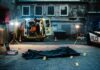
Fourteen newborns died in minutes inside a hospital nursery built to protect them.
Story Snapshot
- A dawn fire tore through a newborn nursery in Islamabad, killing 14 babies.
- Hospital and government officials confirmed the deaths and ordered an inquiry.
- Rescuers pulled at least one infant out alive as smoke overwhelmed the ward.
- Early reports point to an electrical fault amid oxygen-rich equipment.
What Happened Inside The Nursery
Fire erupted early Wednesday in the newborn nursery at the Pakistan Institute of Medical Sciences in Islamabad. Officials said 14 babies died before crews could clear the smoke and flames. The Federal Health Minister reported the death toll the same day and ordered an immediate investigation.
Staff and rescuers moved fast, but the nursery filled with smoke, and time vanished. Hospital officials said at least one baby was rescued alive from the unit as teams fought to reach each bassinet.
Local and national leaders visited the site and promised answers. The government formed a committee to determine what started the blaze and how it spread so fast. Officials described a tight window for action as the ward is designed for the smallest and sickest patients.
Parents pressed for the return of remains and clarity about alarms, exits, and staffing at the time of the fire. The hospital began coordinating with families while investigators secured the scene.
Why Newborn Units Are So Vulnerable
Neonatal wards run dense power loads, oxygen lines, and constant life-support devices. Babies cannot self-rescue. Staff-to-patient ratios run thin at night. A spark that would be minor elsewhere can turn deadly here because oxygen and plastics feed smoke and heat.
Researchers on neonatal intensive care unit safety stress two rules: stop ignition and confine smoke. Doors, compartments, and drills save lives. When any link fails, evacuation turns into a race against seconds.
South Asia has seen repeat tragedies in similar settings. Prior fires in India and Pakistan show a pattern: older wiring, improvised power strips, crowded rooms, and alarms that fail or are missing.
Studies cite overloaded circuits from life-support devices running nonstop. Experts call for medical-grade electrical work, strict load limits, and routine audits.
They also argue for “defend in place” design that slows smoke, so staff can move infants in short stages instead of chaotic full evacuations.
Early Clues On Cause And Spread
Authorities and hospital sources pointed to an electrical fault as a likely spark in the maternity complex. Some initial reports referenced an air conditioner problem, which has featured in past hospital fires in the region.
Oxygen equipment in the nursery can turn a small arc into a mass of black smoke and heat in moments. While the final report will set the official cause, these factors match a known risk chain that engineers and clinicians have warned about for years.
One claim stands out amid the chaos: at least one infant survived the nursery thanks to a fast rescue. That does not erase the loss, but it proves that basic measures still matter under stress. Quick alarm, door control, and simple smoke barriers can buy two or three more minutes.
In a nursery, two minutes is the difference between life and death. Common sense says fix what fails often first: power integrity, oxygen management, and drills that staff can execute half-asleep.
Accountability That Actually Prevents The Next One
Leaders promised an inquiry. A good inquiry names what failed, sets deadlines, and holds people to them. The public does not need theories; it needs wiring maps, load sheets, drill logs, and maintenance records.
If the cause is a short circuit, then enforce certified electrical work and cap loads. If oxygen lines sped the fire, then upgrade shutoffs and teach staff to isolate flow in seconds. If alarms lagged, then install devices that fail-safe, not fail-silent.
Today's tragedy at PIMS Hospital, Islamabad is beyond heartbreaking. We already have strong laws such as the Islamabad Fire Safety Act 2010 and Building Codes of Pakistan 2016, which cover NFPA safety standards for every scenario. These laws exist and are in force. (1 of 3).
— Sheikhoo (@Nedian_shaikh) August 26, 2026
Hospitals exist to save the weak first. That is a moral line as bright as it gets. Families in Islamabad deserved a nursery built like a fortress and run like a cockpit. The fixes are not exotic. They are checklists, audits, and budgets that match the risk.
After every such fire, officials swear change is coming. Real reform looks dull from the outside but saves lives inside. Tighten the circuits. Control the oxygen. Drill the staff. Lock the doors between life and smoke.
Sources:
apnews.com, npr.org, aljazeera.com, nytimes.com, bbc.com, pubmed.ncbi.nlm.nih.gov, france24.com, babushahi.com