Iran raised the price of gasoline for heavy users while keeping cheap fuel for basic monthly quotas, a surgical tweak with big political stakes.
Story Snapshot
- Three-tier gasoline pricing now charges more beyond monthly quotas.
- First 60 liters stay at the low subsidized rate; the next 100 liters cost more.
- Fuel bought beyond 160 liters moves to a higher price aimed at heavy users.
- Officials frame the change as curbing waste and smuggling while easing budget strain.
Tehran sets a third price tier to target heavy consumption
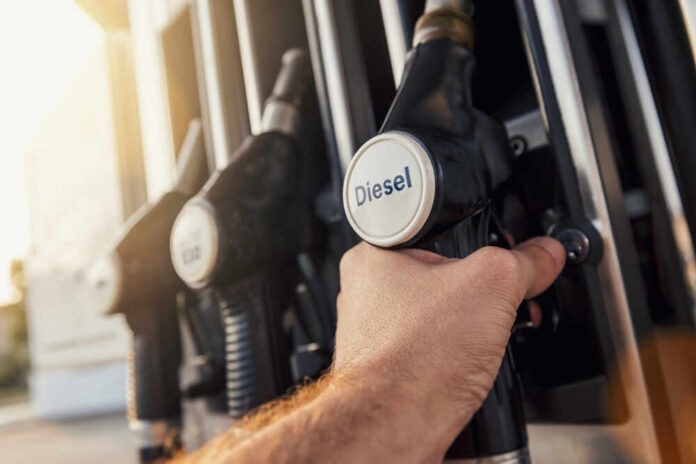
Iran introduced a higher gasoline price for consumption above a monthly threshold, adding a third tier to its long-running subsidy system. The first 60 liters per month remain at the cheapest rate, the next 100 liters cost more, and every liter after that now sells at a higher price aimed at heavy users.
A government spokesperson said the change took effect nationwide and applies broadly, with limited exceptions like ambulances. The plan keeps everyday driving cheap but makes excess use more expensive.
Iran still has some of the world’s lowest gasoline prices, but the price increase adds to daily pressures for many of the country’s more than 90 million people.https://t.co/cXwg6EKJZB
— FOX5 Las Vegas (@FOX5Vegas) September 8, 2026
Officials present this as a practical fix. The new price above the quota seeks to cut waste, shrink smuggling profits, and protect strained public finances. The government held the base quota steady to shield ordinary motorists from a shock at the pump.
The shift marks the first notable upward step in years, but it stops well short of a full liberalization. It signals pressure on the budget and fuel supplies, but also caution given the country’s painful memory of sudden hikes.
Why a tiered hike now: money, demand, and smuggling math
Subsidized fuel drains the treasury and encourages overuse. Cheap gasoline also invites cross-border smuggling when neighbors pay more. Raising the marginal price after the quota tackles these problems without hammering basic use. That nudges heavy drivers to slow down, pay up, or both.
It also trims the subsidy bill, which matters in a weak economy. Officials argue this targeted approach balances fairness with fiscal sense by sparing light users and charging more for extra consumption.
Economic research backs the logic. Studies on Iran’s fuel reforms show that higher prices reduce consumption most at the margin where users can cut back, carpool, or delay trips. Tiering leans on that effect. It moves the price signal to the point of choice: the extra fill-up.
It also lines up with evidence that energy subsidies skew benefits to higher-income households that drive more and own more cars, while the poor see little gain.
The politics: protect the base, price the excess
The government kept the first 60 liters at the lowest rate for a reason. Gasoline price spikes have triggered unrest in the past. A slow, predictable tiered scheme lowers that risk by keeping daily costs stable and shifting the pain to heavy users.
That framing gives political cover: leaders can say basic needs remain protected while abuse and waste face a price. State media underscored that most motorists still buy fuel at subsidized rates under the structured quotas.
Iran doubled gasoline prices for heavy users from Tuesday, as wartime shortages and U.S. sanctions strain the economy. Motorists using more than 110 litres a month now pay 100,000 rials (about 4–7 U.S. cents) per litre — twice the previous top-tier rate. The first 60 litres…
— The Geo-Political Arena (@GPoliticalArena) September 8, 2026
Officials also cast the move as discipline, not austerity. They point to smuggling pressure and fiscal gaps and argue the third tier plugs those leaks with minimal shock. That message fits a broader trend: countries under strain often reform subsidies in steps to avoid a backlash.
The lesson from earlier episodes is clear. If changes hit everyone at once, anger rises. If changes focus on excess and leave the first tank cheap, people adapt. Iran’s plan follows that playbook.
What to watch next: consumption, queues, and the gray market
Fuel demand should flatten at the margin as some drivers stay under 160 liters, spread trips across months, or shift to carpools. Queues may shuffle as more people watch their smart card balance and time refuels near month-end.
The gray market could shrink if the gap between official and street prices narrows, but smugglers are inventive; enforcement will matter. The key test will be whether subsidy savings show up without sparking broader price jumps in road-based goods.
Policy durability will hinge on trust. Clear rules, steady supply, and strict but fair enforcement can sustain the system. Sudden shifts, confusing card rules, or station outages can quickly sour public trust.
A tiered plan works only if the basics stay smooth and the promised protection for the first 60 liters holds. If the government keeps that promise and resists surprise changes, the third tier can curb waste and ease the budget with less pain than a blanket hike.
Sources:
nbcnews.com, reuters.com, wanaen.com, presstv.ir, imf.org, ora.ox.ac.uk