Americans spent 7.9% more on hobbies in August, but they did not swipe 7.9% more times—so the price of fun is doing the heavy lifting.
Story Snapshot
- Hobby spending rose 7.9% year over year in August 2026, outpacing transactions at 3.4%.
- The Bank of America Institute ties the gap to “funflation,” or rising costs of leisure.
- Hobbies include arts and crafts, hobby shops, and outdoor recreation retailers and services.
- Older Millennials lead hobby outlays; Gen Z’s growth slowed heading into late summer.
Fun Costs More, And People Still Pay
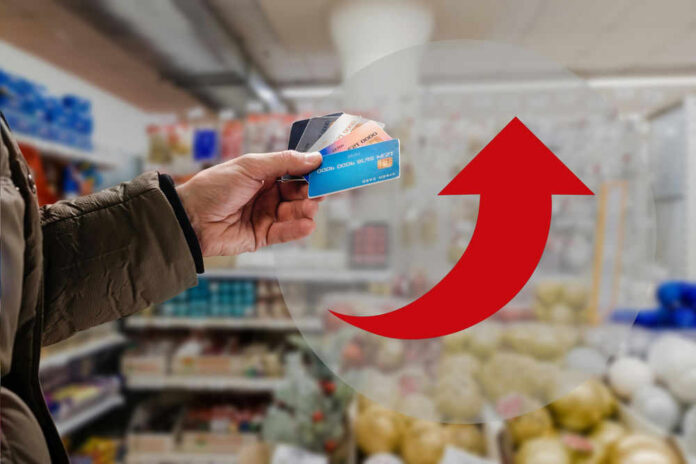
Bank of America Institute reported that spending on hobbies rose 7.9% in August 2026 compared with a year earlier, while the number of hobby transactions grew 3.4%. That spread points to higher average tickets, not just more shopping trips.
The institute calls the pattern “funflation,” the rising price of fun that hits crafts, model-making, camping, and similar pursuits. Media outlets echoed the surge and its label, noting that the price pressure has not stopped people from buying.
Hobby spending covers a specific set of merchants, not every weekend activity. The category includes arts-and-crafts chains, dedicated hobby shops, outdoor gear sellers, and providers tied to hiking, camping, skiing, and scuba diving.
That focus helps explain why prices and receipts can jump even when visits rise more slowly. A single ski tune-up or scuba refill costs far more than a glue stick. When more buyers choose gear-heavy fun, averages move up fast.
Americans are spending more on their hobbies, but getting less fun for their buck as "funflation" hits everything from arts and crafts to outdoor recreation.
Bank of America card data shows hobby spending jumped 7.9% year over year in August, more than twice the 3.4% growth in… pic.twitter.com/VeybYv8xmm
— FOX Business (@FoxBusiness) September 29, 2026
Who Is Paying For The Party
Older Millennials top the charts for hobby dollars, according to the institute’s cohort view, while Gen Z slowed as summer ended. Households in their late 30s and early 40s often balance kids’ activities and their own gear, which lifts receipts.
That group can also afford mid-tier upgrades, like a better kayak or a high-torque drill, even when prices creep up. Retailers that serve family hobbies and outdoor lifestyles likely saw the strongest pull from these buyers.
Several outlets highlight the same signal: consumers keep spending on hobbies even as costs climb. Fortune notes that the current gap flips last year’s pattern, when transaction growth beat spending growth.
That turn suggests people shifted from nibbling on small items to buying fewer, pricier goods and services. It also fits a home-centered leisure tilt, where a one-time tool or kit powers many low-cost weekends afterward.
Why The Timing Makes Sense Now
Higher travel costs can send people back to the garage and the trail. Coverage of the institute’s analysis links rising fuel and airfare to a move away from trips and toward at-home or nearby hobbies.
When a family trims flights, they often redirect some of that budget into durable fun: sewing machines, fly rods, or a season pass at a local hill. The first buy stings, but the per-use cost falls over time, which makes the math work for budget-watchers.
“Funflation” in hobbies is not only about prices. It is also about mix. If more people choose experiences and gear that carry higher price points, average tickets rise even when unit prices hold steady.
The institute’s data show spending outpaced swipes, which is the tell. They are cutting where value feels thin and spending where value lasts, even if the sticker price looks steep up front.
What To Watch Next
Retailers will chase the older Millennial wallet with bundles that stretch value: starter kits, tune-up credits, and loyalty discounts. Arts and crafts chains can win by keeping core supplies cheap while upselling time-saving tools.
Outdoor shops can lean on service and safety—fitting boots right beats a cheap return any day. If fuel and airfare stay high, expect the hobby economy to keep its edge over big-ticket travel through the next season.
Sources:
foxbusiness.com, institute.bankofamerica.com, finance.yahoo.com, cnbc.com