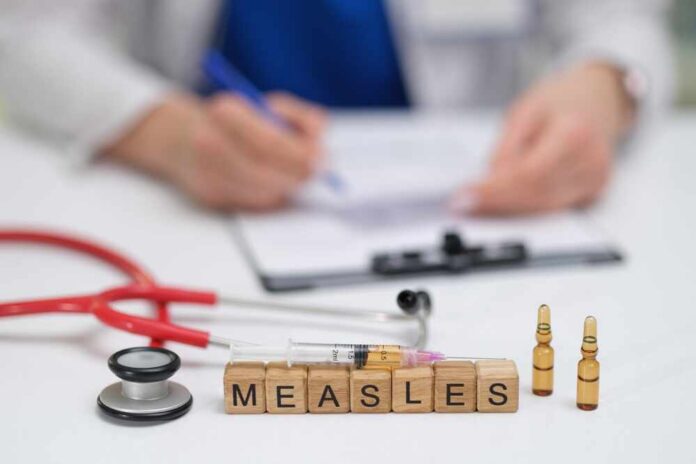
Warnings about vaccine shortages went unheeded as delayed supplies and canceled immunization campaigns left children vulnerable to a deadly virus.
Story Snapshot
- Bangladesh faced measles and rubella vaccine stockouts and paused mass campaigns, fueling a deadly outbreak.
- United Nations Children’s Fund said it warned leaders many times that procurement delays would trigger shortages.
- A shift from United Nations Children’s Fund procurement to open tenders reportedly slowed orders and delivery.
- Hospitals overflowed while families traveled long distances for care; many children arrived too late.
How A Vaccine Success Story Slipped
Bangladesh built a strong vaccine record for years. Then routine measles protection thinned. National measles and rubella campaigns stopped after 2020, and first- and second-dose coverage slipped. The World Health Organization’s Bangladesh office later tied the crisis to missed routine shots, no nationwide catch-up, and vaccine stockouts of the first and second measles-rubella doses during 2024 and 2025. That mix let a large group of unprotected children grow. When measles found them, it spread fast and hard.
United Nations Children’s Fund officials say they warned the interim government in letters and meetings from 2024 to 2026 that open bidding would take too long and risk shortages. One representative said the bid cycle alone could run a year. The United States Centers for Disease Control and Prevention analysis also cites stockouts and campaign gaps as likely drivers, and calls for better caregiver outreach to fix demand as well. The pattern matches what measles does anywhere: it punishes even short breaks in high coverage.
The Procurement Pivot That Jammed The System
Health leaders had long used the United Nations Children’s Fund pipeline to buy vaccines. Reports say the interim government shifted part of procurement to open tenders. That move added steps, slowed approvals, and delayed shipments, even as global stocks sat in warehouses ready to ship. Bangladesh’s health minister later said the policy cost children their shots. On the ground, a late purchase is the same as no purchase. Children do not wait for paperwork. Measles does not, either.
A senior former interim official disputes this account. He said the United Nations Children’s Fund message “was not” a specific outbreak warning and denied a broad shortage in 2025, aside from a few sites. Government data also show most confirmed patients had not received both doses, and many cases were in infants too young for the first shot. Those facts do not clear procurement. They show something worse: gaps in supply, scheduling, and demand stacked on top of each other—exactly how big outbreaks are born.
Hospitals Tell The Rest Of The Story
Reporters found crowded wards, floor beds, and parents moving long distances to find oxygen and care. Doctors described pneumonia and other measles complications that turn deadly when help comes late. These scenes support a simple chain: vaccines fell short, more children got sick, and hospitals overflowed. The World Health Organization profiled emergency vaccination drives racing to catch up. Still, such drives chase a fire that should have been prevented at the fuel stage—keeping immunity above the danger line before spread begins.
BANGLADESH REPORTS MORE THAN 1,100 MEASLES DEATHS — MOSTLY CHILDREN UNDER FIVE
Bangladesh has recorded more than 202,000 suspected measles cases since mid-March, with 1,147 deaths reported through October 9, according to the World Health Organization.
Falling vaccination…
— SWEN🇿🇦 (@SWENNEWSSA) October 19, 2026
United Nations Children’s Fund urged parents not to fall for false rumors about shots and pushed trusted advice through local voices. The Centers for Disease Control and Prevention’s team made the same point: fix supply and fix trust at the same time. That balance matters for every country. When adults argue about procurement, disease spreads faster. The clock wins if leaders do not move first and together.
What Other Nations Should Do Now
Health ministries should lock in two things at once: fast lanes for vaccine buying and steady mass campaigns when coverage dips. Keep the United Nations Children’s Fund route open, even if testing local tenders, and never switch methods without buffer stocks in-country. Publish stock ledgers and procurement calendars so the public can see problems early. Pair supply with loud, local messaging against lies. If leaders do this, measles stays a headline from history, not tomorrow’s emergency.
Sources:
wwwnc.cdc.gov, thedailystar.net, bbc.com, observerbd.com, fidelity.com, tbsnews.net, en.bonikbarta.com, reuters.com