The largest cyclospora outbreak ever recorded in the United States is finally over, and it left behind a staggering toll: nearly 13,000 sick, hundreds hospitalized, and two people dead.
Quick Take
- The Centers for Disease Control and Prevention (CDC) declared the 2026 cyclospora outbreak over on September 11, 2026.
- The outbreak sickened 12,883 people across 21 states, hospitalized at least 570, and killed two Michigan residents.
- Shredded iceberg lettuce from Taylor Farms de Mexico, served at Taco Bell restaurants, was the confirmed source.
- Health officials say the contaminated lettuce is gone from stores and restaurants, ending the immediate risk.
A Record-Breaking Outbreak Comes To A Close
Federal health officials confirmed the cyclospora outbreak tied to Taco Bell lettuce has officially ended. The CDC’s outbreak page states plainly: “This outbreak has ended, as of September 11.”
That declaration closed the books on a parasite outbreak that grew far larger and lasted far longer than anyone expected when the first cases surfaced in July.
By the time investigators finished counting, the numbers were sobering. Food Poisoning Bulletin reported a final total of 12,883 illnesses spread across 21 states, with at least 570 people hospitalized and two deaths, both in Michigan.
What began as a five-state cluster of roughly 1,600 cases in mid-July ballooned into one of the biggest foodborne outbreaks in modern American history.
Federal health officials announced the end of a 21-state cyclospora outbreak linked to imported lettuce from Taylor Farms de Mexico that resulted in over 12,000 cases and two deaths. https://t.co/zbwVqJzl0X
— The Washington Times (@WashTimes) September 14, 2026
Tracing The Parasite Back To Taco Bell Lettuce
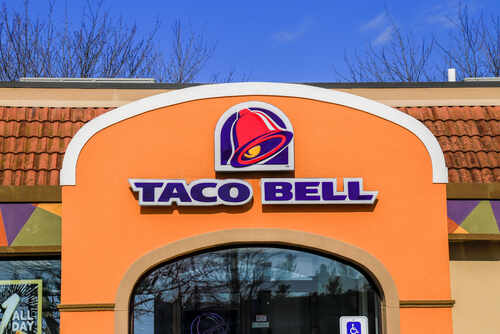
Investigators moved fast once cases started clustering. The CDC and Food and Drug Administration (FDA) linked the illnesses to shredded iceberg lettuce served at Taco Bell locations in Indiana, Kentucky, Michigan, Ohio, and West Virginia.
The lettuce came from Taylor Farms de Mexico, grown in central Mexico and shipped north for food service use across the country.
Taylor Farms did not wait for a final answer before acting. On July 17, the company voluntarily pulled all iceberg lettuce sourced from central Mexico off the U.S. market, calling it a precaution against possible cyclospora contamination.
That single decision, made before lab results confirmed anything, likely kept the outbreak from growing even larger.
A False Positive Test Muddied The Waters Briefly
The investigation hit a strange snag along the way. The FDA initially reported a positive lab test on Taylor Farms lettuce, only to walk it back days later.
“Today, we were informed that FDA made a mistake, and this was a false positive,” the agency said, adding that it had not identified a single confirmed positive product test result for cyclospora.
Officials were careful to stress that the mix-up did not change the underlying case against the lettuce. The FDA said the false positive did not alter its outbreak investigation, since epidemiologic and traceback evidence, not a single lab sample, had already pointed investigators toward Taylor Farms product. That distinction matters, because it shows how modern outbreak investigations work in the real world.
Why Lettuce Outbreaks Are So Hard To Catch In The Act
Produce moves fast, and it spoils faster. Investigators rarely get their hands on the actual contaminated batch before it’s eaten, thrown out, or replaced on store shelves.
That is why cyclospora and similar outbreaks are usually solved through interviews, purchase records, and shipping data long before, or even without, a positive lab sample.
Cyclospora has a long history with fresh produce specifically. Public health researchers note that nearly every U.S. and Canadian cyclosporiasis outbreak since the mid-1990s has been linked to raw fruits, herbs, or leafy greens like raspberries, basil, cilantro, and lettuce. This outbreak fits that well-established pattern rather than breaking new ground.
What The All-Clear Actually Means For Consumers
The CDC’s investigation update is direct about what has changed. “The contaminated lettuce linked to this outbreak is no longer available in stores or restaurants,” the agency stated, effectively closing the loop on the immediate danger. The FDA echoed that timeline, confirming the outbreak’s end as of September 11, 2026.
For anyone who avoided Taco Bell’s lettuce over the summer out of caution, that caution paid off and can now stand down.
The system worked the way it is supposed to: a fast recall, aggressive traceback, and transparent public updates limited the damage even as case counts climbed into five figures. Two deaths are two too many, but a faster response likely prevented far worse.
Consumers should still expect occasional produce recalls tied to cyclospora, since the parasite keeps turning up in imported fresh greens and herbs year after year. Reading recall notices and following state health department updates remains the simplest way to stay ahead of the next one.
Sources:
cbsnews.com, apnews.com, foodpoisoningbulletin.com, cdc.gov, fda.gov, taylorfarms.com, usatoday.com, pmc.ncbi.nlm.nih.gov, infectioncontroltoday.com