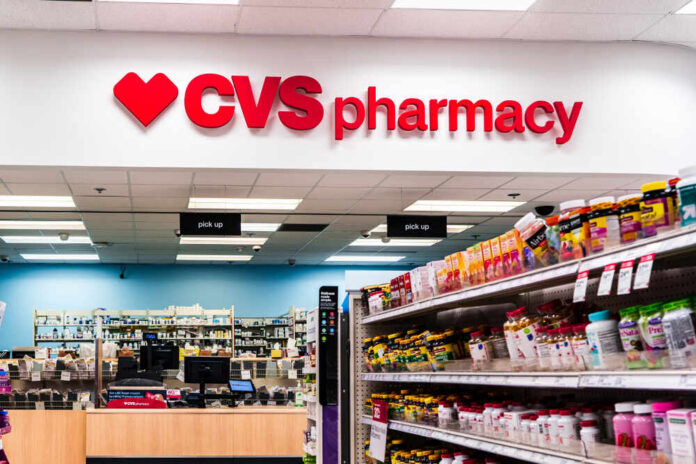
CVS just turned its 9,000-plus drugstores into a new front in the pet-care wars, and that could quietly change how American families care for their animals.
Story Snapshot
- CVS now fills many dog and cat prescriptions in-store, with home delivery options for refills.
- Pet owners can add animals to their CVS ExtraCare profile and manage meds through the app or website.
- The move plugs CVS into a fast-growing, high-markup pet medication market that vets once largely controlled.
- Execution problems, past safety errors, and wider trust issues could decide if this becomes a win or a backlash.
CVS quietly moves into the family pet’s medicine cabinet
CVS Pharmacy now lets pet owners fill many dog and cat prescriptions right alongside their own, with the same two-step process used for human drugs. A veterinarian can send in the prescription, or the owner can bring it to a local CVS pharmacy counter.
CVS then allows the customer to pick up in-store or use home delivery for eligible refills once the pet is on file. For busy families, that means one stop for blood pressure pills and heartworm prevention.
Dog and cat owners can now fill common pet prescriptions at more than 9,000 CVS Pharmacy locations nationwide. https://t.co/TvzzID7xSd
— ABC News (@ABC) July 21, 2026
The service is not a tiny pilot. CVS promotes a broad “pet medicine” offering, including brand-name flea and tick products, heartworm prevention, and treatments for arthritis, allergies, diabetes, epilepsy, and thyroid problems.
A guide for pet owners confirms they can use “any CVS Pharmacy location,” as long as they have a valid prescription from a licensed veterinarian. This folds pet care into the same neighborhood drugstore routine many Americans already trust for their own prescriptions.
How the new pet prescription system works in practice
CVS tells pet owners to start with a prescription from their veterinarian, then bring it in, have the vet fax or call it, or submit it through CVS’s online tools.
After that first fill, the owner can log into their CVS.com account, add the pet under “Add and manage people,” and connect the animal’s prescription record to their profile as a caregiver. That link unlocks delivery and easier refill management, turning pet medications into another click-and-ship staple.
Users say this setup works, but it is far from seamless. A Reddit discussion from 2024 describes having to ask staff to mark a “caregiving relationship” for the pet or to bypass app glitches by using the desktop site instead.
The poster says many employees “probably don’t know that’s an option and have never done it before,” which tracks with what happens when a big chain launches a new policy faster than it trains every frontline worker. From this angle, that is the weak link: a system is only as strong as the clerk who understands it at 7 p.m. on a Tuesday.
Why CVS wants a piece of the pet medication boom
Pet medications have long been a quiet gold mine, with reports of veterinarian markups hitting 100 percent or more on some products. As vets began writing prescriptions that owners could take elsewhere, supermarkets and chain pharmacies like Walmart, Target, Walgreens, and Kroger moved in and started dispensing pet drugs years ago.
Those retailers pitched lower prices and one-stop convenience, and shoppers responded. CVS is late to this trend, not early, but it is now leaning in with scale and digital tools.
The broader veterinary pharmacy market keeps growing as more households treat pets like full family members, not livestock. Consumers already expect price transparency, choice, and online options for human medicines. Extending that mindset to pet care is a logical next step.
From a free-market perspective, more competition on pet meds is a good thing: it pressures prices, reduces captive markups, and lets families shop where service and value are best. CVS is betting that trust built on human prescriptions will carry over to the family dog.
Trust, safety, and the downside risk of getting it wrong
Trust is the shadow hanging over this new pet offering. In Virginia, a woman says her service dog died after receiving the wrong medication from a CVS pharmacy, prompting an apology and an internal review from the company.
That tragedy involved a standard drug mix-up, not a special “pet” system failure, but it underlines a blunt truth: when a chain is already under scrutiny for safety lapses, every new pharmacy service raises the stakes for error. Pet meds will not be treated as a harmless side hustle if mistakes make headlines.
Regulators are also watching the broader pharmacy and pet medication world. In Tennessee, CVS’s pharmacy benefit arm has faced criticism over complex pricing practices, feeding public doubts about whether big players put profits over patients.
In the United Kingdom, a competition probe into veterinary pricing warns that pet owners may be overpaying for prescriptions industry-wide.
For American families, that context cuts both ways: it makes them hungry for cheaper options, but suspicious when the same giant company manages the bill, the drug, and now the dog’s pill bottle too.
What pet owners should do now
Pet owners who value convenience can reasonably treat CVS as one more tool in the kit, not a replacement for a trusted veterinarian. This means using CVS for clearly written prescriptions, drugs that also exist in human form, and simple refills, especially if the price beats the vet’s shelf price.
Check every label, ask the pharmacist to repeat the species, dose, and instructions out loud, and do not be shy about walking away if staff seem confused or rushed. Convenience is useful; blind trust is not.
For CVS, the path forward is simple but hard: train every pharmacy team to handle pet profiles without guesswork, prove that error rates stay low, and show that prices really help families stretched by both human and animal medical costs.
If the company delivers on that, this “new pharmacy option for pet owners” can feel like exactly what it is on paper: a practical expansion of choice in a market that has needed it for a long time. If not, the dog bowls in the front aisle will start to look like window dressing on a missed opportunity.
Sources:
abcnews.com, cvs.com, facebook.com, reddit.com, smalldogsheaven.com, wtop.com, sharesmagazine.co.uk, ftc.gov, pharmacyindustrynews.com, linkedin.com, pbahealth.com