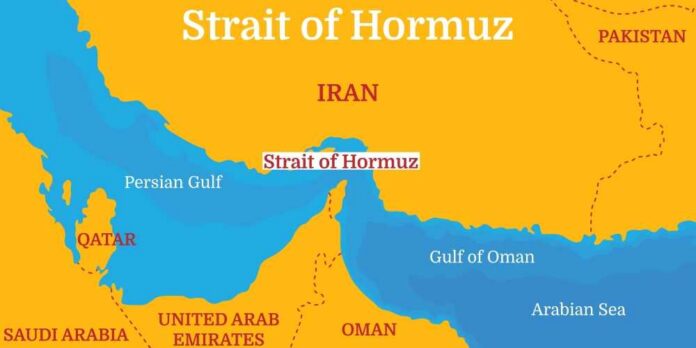
The United States just turned a fragile ceasefire with Iran into a shooting match again, all because drones and tankers crossed the wrong line in the Strait of Hormuz.
Story Snapshot
- U.S. Central Command calls new strikes on Iran a “powerful response” to attacks on commercial ships.
- Iran claims it is enforcing shipping rules in the Strait of Hormuz and denies clear blame for the tanker hits.
- The ceasefire deal meant to calm the strait is now strained and could be collapsing under real-world tests.
- Oil markets jump and allies hesitate, leaving the U.S. to carry most of the load and most of the risk.
U.S. Strikes As Ceasefire Turns Into A Test Of Wills
U.S. forces hit Iranian missile and drone storage sites and coastal radar positions around the Strait of Hormuz after a cargo ship was struck by an Iranian drone. Central Command described the operation as a “powerful response” to what it called unwarranted aggression against a commercial vessel exiting the strait.
Vice President Vance, who helped shape the ceasefire memorandum of understanding, warned publicly that any Iranian violence would be met with violence in return. That message framed the strikes as a test of American resolve, not just a one-off reaction.
BREAKING: U.S. Central Command says American forces launched a new wave of strikes Tuesday, hitting more than 80 targets across Iran after Tehran’s latest attacks on commercial vessels in the Strait of Hormuz. The operation targeted Iranian air defenses, command-and-control… pic.twitter.com/cqiZ3wNsMt
— Breaking911 (@Breaking911) July 8, 2026
The trigger was the attack on the Ever Lovely, a Singapore-flagged cargo ship transiting along the Omani side of the strait following recommended routes for commercial traffic. Central Command said an Iranian drone hit the ship as it exited the chokepoint and claimed U.S. forces intercepted several other drones in the area.
The U.S. statement argued this attack broke the ceasefire agreement signed the week before and directly targeted civilian commerce. For many, that matters: protecting free trade lanes is a core security duty, not a favor to big business.
Iran’s Claim To Control The Strait Collides With Shipping Reality
Iran’s leaders insist they have the right to control shipping through the Strait of Hormuz and warn Gulf states not to side with Washington. Iranian authorities argued the Ever Lovely used a route outside the framework of the new U.S.-Iran agreement and suggested it ignored warnings from Iranian forces. That narrative paints Iran as a coastal policeman guarding its rules.
Yet maritime reports say the ship followed the path advised by the United Kingdom Maritime Trade Operations group, casting doubt on Tehran’s claim that it was an outlaw vessel. Common sense says a container ship on the standard lane is not a combat threat.
Iranian state media reported that a projectile later hit the port area near Sirik and that Iranian naval units then struck U.S. military positions in the region in reply. Those reports did not give clear details of what American targets were hit or what damage was done. That lack of specifics weakens Tehran’s attempt to claim equal retaliation and blurs the picture for outsiders.
When one side offers numbers, targets, and video, and the other side offers unnamed sources and vague claims, it is reasonable to lean toward the side with clearer data, while still wanting independent checks.
“Powerful Strikes” And A War Designed To Stay Below The Boiling Point
Central Command later confirmed follow-on strikes along Iran’s southern coastline after more reported attacks on tankers transiting the strait. U.S. aircraft hit additional drone and missile storage sites, communication nodes, air defense assets, and minelaying capabilities designed to threaten shipping.
These targets fit a pattern in the 2026 Iran war, where both sides focus on tools used to harass ships rather than large-scale invasion forces. Analysts describe this as low-intensity maritime coercion: each side nudges the other with limited violence to redraw “red lines” without triggering total war.
This pattern creates baked-in confusion about who fired first in any single clash. Earlier in May, Iran launched missiles and drones at multiple U.S. naval vessels in the same waters, and both sides claimed the upper hand while downplaying damage. That history makes today’s dispute both familiar and more dangerous.
Leaders on both sides now know how to use the strait as leverage against each other and against the global economy. From an American view, allowing Iran to slowly normalize attacks on ships would reward coercion. But continuing tit-for-tat strikes risks turning a simmer into a boil if miscalculation piles up.
Global Markets, Fragile Deals, And The Cost Of Letting Iran Set The Rules
Oil prices jumped after the latest U.S. strikes and Iranian threats, turning the Hormuz tension into an instant pocketbook issue for families far from the Persian Gulf. Traders fear a repeat of earlier months, when Iranian threats and attacks drove shipping traffic through the strait down sharply and sent energy costs higher.
That economic shock undercuts political support for any prolonged clash, even if Americans agree that pushing back on Iranian aggression is the right call. People feel rising fuel prices long before they read ceasefire fine print.
The ceasefire memorandum of understanding that reopened the strait was supposed to stop this cycle, but vague language about “arrangements to reopen” left room for argument over routes and inspections. Iran now uses that fuzziness to claim U.S.-linked ships are violating the deal, while U.S. officials say Iran is weaponizing ambiguity to justify attacks on traffic it does not like.
Allies in the North Atlantic Treaty Organization are split, with some staying quiet about Iranian strikes on Turkish and British-linked assets, which leaves Washington carrying much of the moral and military burden. That gap feeds a sense that the U.S. is once again policing a critical waterway mostly alone.
Sources:
cnbc.com, cbsnews.com, centcom.mil, youtube.com, bbc.com, facebook.com, x.com, cnn.com, instagram.com