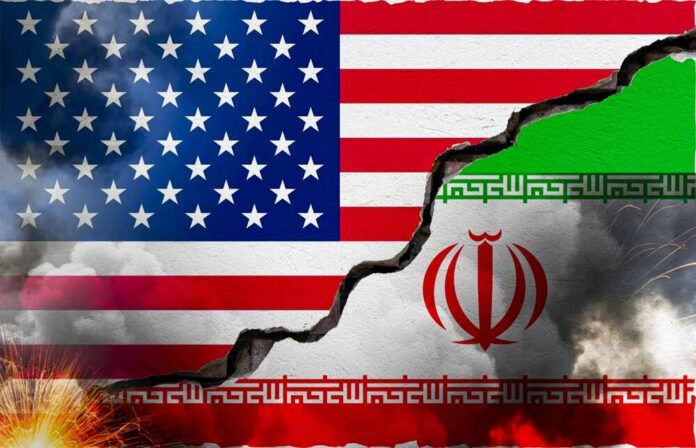
Iran’s rejection of Trump’s ceasefire offer is turning a promised “no new wars” presidency into a ticking clock for escalation—while MAGA voters argue over how far America should go for Israel.
Story Snapshot
- Iran rejected a Trump administration 15-point ceasefire proposal delivered through Pakistan, insisting the war end only on Tehran’s terms.
- The White House set a five-day window and warned the U.S. campaign will continue if Iran refuses to deal.
- Iran floated a five-point counterproposal that includes demands tied to reparations and sovereignty claims over the Strait of Hormuz.
- U.S. reporting indicates the Pentagon is moving additional forces, including the 82nd Airborne, raising the stakes if diplomacy stalls.
Iran’s “no” lands as Washington pushes a deadline
Iranian state-linked outlets and officials said that Tehran rejected the Trump administration’s ceasefire plan presented late Tuesday through Pakistani intermediaries.
Iranian messaging framed the U.S. offer as “excessive” and disconnected from what Tehran called America’s battlefield setbacks.
The White House response was blunt: President Trump “does not bluff,” and the administration set a five-day window before warning the campaign would continue without a deal.
Iran also released the contours of its own counterproposal, which U.S. officials and reporting described as far beyond a clean ceasefire. Tehran’s stated conditions included an end to hostilities and demands tied to reparations and future-war guarantees, while also signaling it wants leverage over the Strait of Hormuz.
The lack of direct U.S.-Iran talks leaves Washington reliant on intermediaries, slowing clarity at a moment when missiles and rhetoric are moving faster than diplomats.
What Tehran is demanding—and why it’s a red flag for U.S. leverage
Iran’s counter-demands, as reported, point to a negotiating posture built around long-term strategic leverage rather than a quick stop to fighting.
The Strait of Hormuz is central to that strategy because it sits on a critical artery for global energy shipments, and threats or “sovereignty” claims there can pressure allies and spike costs worldwide.
Iran also sought to preserve key capabilities, including its missile program, which the U.S. and partners view as a driver of regional instability.
Iran has rejected a 15-point US proposal for a truce, setting out its own five conditions for bringing an end to the conflict: Here's your Evening Briefing https://t.co/qljPOuXlOt
— Bloomberg (@business) March 25, 2026
Reporting also highlighted the Iranian Revolutionary Guard Corps (IRGC) as a major internal force shaping Tehran’s hardline posture. Analysts cited in coverage described IRGC-influenced demands as maximalist, including items U.S. officials characterized as unrealistic.
That matters for Americans watching fuel bills and foreign policy promises: a ceasefire that effectively rewards coercion over global shipping lanes would invite future rounds of brinkmanship—while U.S. families absorb the downstream costs at the pump and in higher prices.
Military pressure grows as diplomacy stalls
U.S. officials signaled that the diplomatic setback does not pause military planning. Reporting indicated the Pentagon was sending additional troops to the region, including elements of the 82nd Airborne, amid warnings from Tehran against a ground invasion.
Also, Iran’s military spokesmen used state media to mock U.S. negotiating efforts, portraying Washington as talking “to yourselves,” a propaganda line aimed at projecting confidence even as the conflict strains regional security and shipping markets.
MAGA’s split: backing Israel vs. rejecting another “forever war”
The reporting shows the White House pushing for a fast end via ceasefire terms and a short deadline, yet Iran’s rejection makes escalation more likely.
That dynamic is amplifying a divide among MAGA supporters—support for Israel on one side, and deep resistance to another drawn-out war on the other.
From a constitutional perspective, the immediate concern is mission creep that expands executive actions, troop deployments, and domestic security posture without clear endpoints that the public can measure.
The available reporting does not resolve what Congress will do next, or whether direct talks might emerge, because both sides publicly deny or downplay high-level contact.
What is clear is that Iran is betting it can dictate terms, and the U.S. is betting that pressure will force a climbdown—an approach that has historically become costly when neither side blinks.
Sources:
https://www.foxnews.com/live-news/us-israel-iran-war-trump-peace-march-25