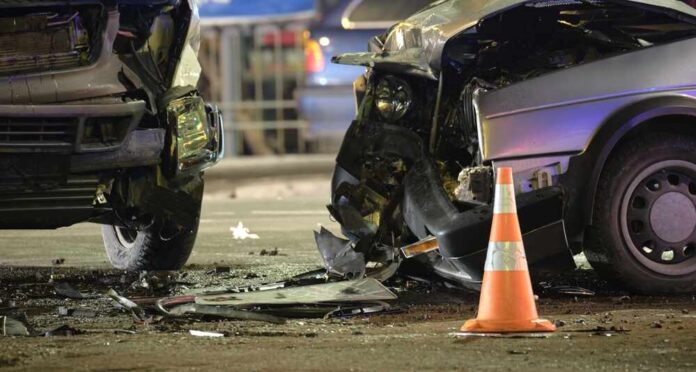
A predawn head-on crash on a Paraná highway killed at least 23 people and injured five others, police said.
Story Snapshot
- Police report a head-on collision between a minibus and a truck in Paraná, Brazil.
- At least 23 people died and five were injured, according to multiple outlets.
- Preliminary police evidence points to the truck crossing into oncoming traffic.
- The minibus carried patients and companions bound for care at hospitals in the Curitiba area.
What Happened On BR-373 Before Sunrise
Police said a minibus and a truck collided head-on around 3:30 a.m. on a federal highway in Paraná. Reports place the scene near Ipiranga and along the BR-373 corridor, which is used by commuters and freight haulers. The toll reached at least 23 dead and five injured.
Outlets reported two children among the dead. One account lists 21 adults and two children; another lists 13 women, eight men, and two children. Authorities said five survivors were taken for medical care.
Multiple reports say early police evidence indicates the truck crossed into the center lane and struck the minibus head-on. One outlet said the truck was not carrying cargo, which may matter for braking distance and handling.
The truck driver was reported among the dead, which limits immediate driver statements and puts more weight on scene evidence and vehicle data. Police and forensic teams examined skid marks, crush angles, and final rest positions to map the impact.
At least 23 people have been killed in a head-on collision between a bus carrying medical patients and a lorry in southern Brazil.
The crash happened around 3:30 a.m. on the BR-373 highway in Paraná state after the truck reportedly veered into the bus’s lane. pic.twitter.com/axP14CWTjF
— APT News (@APT__News) August 19, 2026
Who The Victims Were And Where They Were Headed
Local outlets reported the minibus belonged to the health department in Imbituva. It carried patients and companions traveling to appointments at medical centers in the Curitiba area. That detail explains the crowded van at that hour and the mix of ages among the victims.
Early morning medical transport on two-lane highways is common in Paraná’s interior, where specialized care requires long drives to the capital. The injured survivors could help confirm lane position and vehicle behavior as they recover.
Casualty details from outlets align on core numbers but differ in breakdowns, which is common in the first hours after a mass-casualty crash. Police updates often refine identities and counts as hospitals report outcomes.
Footage cited by one report showed the truck on the roadside grass and a crushed minibus with debris scattered nearby, a scene typical of a high-speed, offset head-on strike. That visual detail matches the death toll and suggests significant intrusion into the passenger space.
Why This Stretch Keeps Taking Lives
Paraná’s federal highways mix heavy trucks and small vehicles on fast two-lane roads. Night driving adds fatigue risk and cuts sight distance. Health transport vans and long-haul rigs share the same lanes and passing zones.
Research on Brazil’s highway deaths has mapped fatal crash clusters on Paraná corridors, with head-on collisions a major share of roadway deaths. That pattern sets the stage for tragedy when one vehicle drifts, attempts a pass, or suffers a sudden failure at highway speed.
American readers know this story too well: speed, fatigue, and mixed traffic on undivided roads can turn a small mistake into a mass fatality. The basic fix is not complicated, but it does cost money and resolve.
Center barriers stop crossovers. Wider shoulders and rumble strips wake drowsy drivers. Brighter markings and median separation give families a margin when a truck wanders onto the shoulder at 3:30 a.m.
Sources:
apnews.com, yahoo.com, noticiacla.com, aol.com, upi.com, reuters.com