The first chickenpox-vaccinated generations are now aging into adulthood—and their shingles rates are dropping.
At a Glance
- Large U.S. health-records analysis shows fewer shingles cases in adults under 35.
- These cohorts are the first widely vaccinated against chickenpox as kids.
- Chickenpox and shingles come from the same virus; vaccines change that risk.
- Older adults should still get the shingles vaccine for strong protection.
New data shows a sharp decline in young adult shingles
Epic Research analyzed electronic health records for more than 85 million U.S. patients and found shingles rates fell since 2019 among adults ages 18 to 34. NBC News reported notable drops in men and women ages 25 to 34, with some age bands cutting their rates by half. These are the first adult groups raised after the chickenpox vaccine became routine in the late 1990s, suggesting a vaccine effect on shingles risk.
The pattern matches what biology predicts. Chickenpox infection plants the varicella-zoster virus in nerve cells for life. Decades later, the virus can wake up as shingles. Childhood vaccination exposes the immune system to a weakened or targeted form, which can lead to fewer lifetime reactivations. Federal guidance has long explained this link between chickenpox and shingles and how vaccines shift the odds.
Why the first vaccinated cohorts matter now
Timing helps explain why this story matters today. The chickenpox vaccine rolled out widely in the mid-to-late 1990s. Babies and toddlers then are now in their late 20s and early 30s. If vaccination reduces the amount of latent virus or boosts control of it, shingles should appear less often in these groups. The observed declines in 18–34-year-olds track with that simple, testable idea, and they line up with earlier research showing lower shingles rates in vaccinated children.
Broader reviews also give helpful guardrails. Several syntheses of United States data have found that shingles rates in older adults rose for years across many settings. Those trends began before the chickenpox vaccine program and did not speed up afterward. This suggests other drivers, such as aging populations and better detection, push the overall rate, while vaccination lowers risk inside the vaccinated cohorts. Both can be true at once.
What this means for different age groups
Young adults who had the chickenpox shot as kids appear to carry a lower baseline risk as they age into their 20s and 30s. That is welcome news for workers starting families and careers. But protection is not binary. A small number can still get shingles. For older adults, the game plan is different. The recombinant shingles vaccine protects well and is recommended for adults 50 and older, and for adults 19 and older with weakened immune systems. Two doses build strong, lasting protection.
Before the vaccine was added to the schedule, chicken pox was considered a childhood rite of passage.
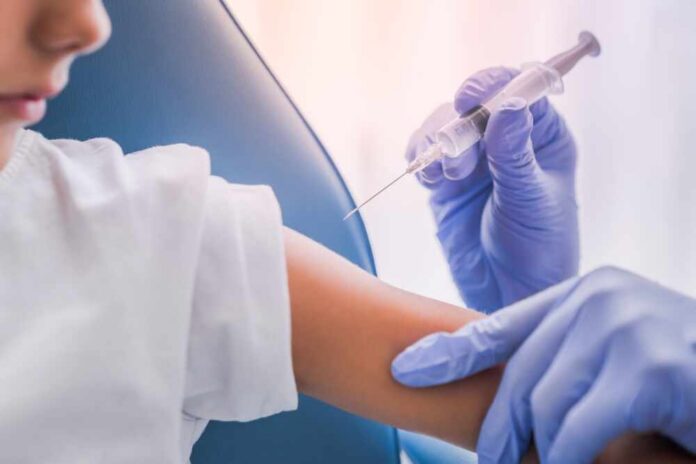
But in 1995, the CDC added the chicken pox vaccine to the recommended childhood schedule – one dose at 12 – 15 months, and a booster at 4 – 6 years.
The chickenpox vaccine is a… pic.twitter.com/eCboTZrZYW
— Vaccine Choice Canada (@VaccineChoiceCA) October 2, 2026
Policy should stick to common sense. Keep childhood chickenpox vaccination high to prevent disease in kids and reduce shingles risk later. Keep promoting the shingles vaccine for older adults, where the disease hits hardest and where the vaccine payoff is huge. This balanced, age-smart approach respects family life, protects productivity, and follows the strongest data. Claims that the chickenpox vaccine drives shingles up overall never matched United States surveillance trends after rollout and should carry little weight next to cohort-specific results.
How to read the numbers without getting lost
One national headline rate can hide different stories. Think of traffic on a highway with many lanes. The left lane may slow while the right lane speeds up, yet the average looks flat. Shingles is similar. Older adults still need focused protection. At the same time, the first vaccinated generations are seeing the reward of early shots. The new health-records analysis puts real-world numbers on that reward and turns a long-running prediction into observed change.
Sources:
nbcnews.com, cdc.gov, academic.oup.com, pmc.ncbi.nlm.nih.gov