A dangerous whooping cough outbreak is spreading nationwide while government health systems crumble and parental rights to medical choice face increasing attacks from federal bureaucrats.
Story Highlights
- Whooping cough cases are 25 times higher than in 2023, with Texas alone exceeding 3,500 cases by October 2025.
- Texas successfully passed legislation protecting parental rights by making vaccine exemptions more accessible online.
- Fear of aggressive immigration enforcement may be deterring families from seeking medical care.
- Government health departments lose critical funding and tracking capabilities as COVID programs end.
- Antibiotic resistance threatens to make treatment options even more limited for vulnerable infants.
Nationwide Outbreak Exposes Health System Failures
Whooping cough cases have exploded across America in 2025, with the first three months alone recording 6,600 cases—four times the pace of 2024 and 25 times that of 2023.
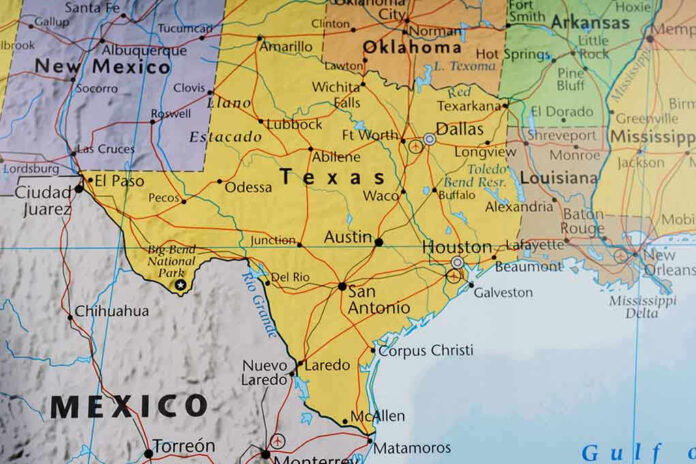
Texas experienced a dramatic surge from 1,928 cases in 2024 to over 3,500 by October 2025. The outbreak spans from Louisiana to South Dakota to Idaho, revealing systemic failures in public health infrastructure and tracking systems that once kept this disease controlled.
Whooping cough outbreaks surge, fueled by waning immunity and falling vaccination rates https://t.co/nP1Sk8Mui5
— CBSColorado (@CBSNewsColorado) November 19, 2025
Parental Rights Victory Meets Government Overreach Concerns
Texas lawmakers successfully passed legislation protecting parental choice in medical decisions by allowing vaccine exemption forms to be downloaded online and submitted directly to schools rather than government health departments.
This reduces bureaucratic interference while making exemptions harder for government agencies to track and potentially challenge. Dallas County officials admit they cannot yet measure the full impact of this parental rights protection, but health director Dr. Phil Huang expects vaccination rates to decline as parents exercise their constitutional freedoms.
Immigration Enforcement Creates Unintended Health Consequences
Aggressive ICE enforcement activities may be preventing families from accessing medical care, according to Dallas County health officials. Dr. Huang reports that Hispanic families, who comprise 40% of Dallas County’s population, appear deterred from seeking vaccinations due to fear of immigration enforcement.
This demonstrates how heavy-handed federal immigration tactics can create public health complications, even as proper border security remains essential for protecting American citizens from various threats, including disease transmission.
Government Health Infrastructure Crumbles
The end of COVID-era funding has devastated local health departments’ capacity to respond effectively to disease outbreaks. Dallas County struggles with limited staffing and receives immunization data only monthly rather than daily, hampering real-time tracking.
Dr. Huang acknowledges that rebuilding public health outreach programs faces significant obstacles as government agencies lose resources. This highlights the consequences of massive federal spending on temporary programs that create dependency rather than sustainable solutions.
Medical Vulnerabilities and Treatment Challenges
Infants under one year face the greatest danger from whooping cough, with some stopping breathing during coughing fits and requiring hospitalization.
About one in five people develops pneumonia, and roughly 1% die from the infection. Treatment relies primarily on macrolide antibiotics, but resistance has emerged internationally, particularly in China, raising concerns about imported resistant strains.
The CDC’s switch to acellular vaccines in the 1990s, while causing fewer side effects, provides shorter-lasting immunity than previous whole-cell vaccines, contributing to current vulnerability gaps.