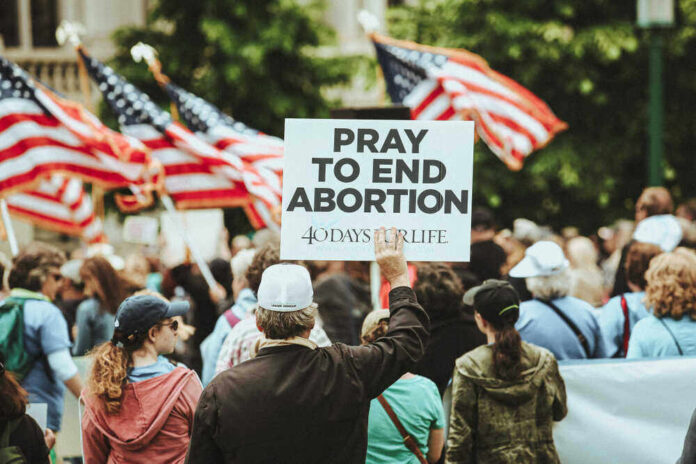
Texas’s new chemical abortion drug ban delivers a major victory for pro-life advocates, escalating the fight against abortion-inducing drugs and empowering citizens to enforce the law where government agencies once fell short.
Story Snapshot
- Texas Senate passes SB 6, banning the manufacturing, distribution, mailing, and prescription of abortion-inducing drugs for illegal abortions.
- Private citizens are now empowered to sue violators, echoing the civil enforcement model of the 2021 Heartbeat Bill.
- SB 6 imposes a minimum $100,000 civil penalty per violation, targeting both in-state and out-of-state actors.
- The law aims to block shield laws in other states and directly confronts the national trend of mail-order abortion drugs.
Texas Lawmakers Pass Sweeping Ban on Abortion-Inducing Drugs
On August 12, 2025, the Texas Senate passed Senate Bill 6 (SB 6), a sweeping measure that bans the manufacturing, distribution, mailing, transporting, delivery, and prescribing of abortion-inducing drugs for illegal abortions within Texas. This legislation targets drugs such as mifepristone, which have been at the center of efforts to circumvent existing abortion laws. The bill’s passage marks a decisive step by Texas lawmakers to close loopholes exploited by out-of-state providers and mail-order pharmacies, reinforcing the state’s commitment to protecting unborn life by any legal means available.
SB 6 stands out for its aggressive enforcement model, drawing on the precedent set by the 2021 Heartbeat Bill (SB 8). Like its predecessor, SB 6 empowers private citizens—not just government agencies—to initiate civil lawsuits against violators. Anyone found facilitating the illegal procurement of abortion-inducing drugs faces a minimum $100,000 civil penalty for each offense. The bill’s design intentionally creates a broad deterrent effect, not only for in-state actors but also for manufacturers, distributors, and shield law jurisdictions outside Texas that may attempt to circumvent the ban through mail or online orders. This innovation underscores a broader conservative strategy: using civil enforcement to fortify laws where federal or local officials may be unwilling or unable to act.
Background: A New Chapter in Texas’s Pro-Life Legal History
Texas has long led the nation in pro-life legislation, dating back to the 2021 Heartbeat Bill that enabled private lawsuits for abortion after six weeks. Following the Supreme Court’s 2022 overturning of Roe v. Wade, Texas enacted near-total bans on abortion, except in cases where a woman’s life or major bodily functions are at risk. Despite these restrictions, reports of abortion pills being mailed into Texas continued to surface, prompting lawmakers to escalate their response. SB 6 directly addresses this growing challenge, targeting not only providers but also the manufacturers and distributors who supply abortion-inducing drugs from outside state lines. The bill’s civil enforcement mechanism is designed to withstand judicial scrutiny, having already survived past legal challenges in similar forms.
Lawmakers crafted SB 6 to ensure Texas remains at the forefront of the national pro-life movement. Senate Republicans, led by bill sponsor Sen. Bryan Hughes and Lt. Gov. Dan Patrick, pushed the legislation through with little opposition, as House Democrats were notably absent during the vote. The political landscape in Texas has enabled a swift passage of such measures, positioning the state as a template for other conservative legislatures seeking to enact similar restrictions. With shield laws in other states attempting to protect abortion pill providers, SB 6 is a direct confrontation—asserting Texas’s constitutional authority and the primacy of state law over what many conservatives view as federal or activist overreach.
Enforcement, Penalties, and the Role of Texas Citizens
Unique to SB 6 is its empowerment of ordinary Texans to act as enforcers of the law. By providing standing for private citizens to file lawsuits against anyone who manufactures, distributes, or prescribes abortion-inducing drugs for illegal abortions in Texas, the law multiplies enforcement capacity and deters potential violators. The minimum $100,000 civil penalty per violation serves as both a severe punitive measure and a warning to those considering circumventing Texas law. This model has already proven effective under the Heartbeat Bill, where the threat of citizen-initiated lawsuits drastically curtailed abortion services statewide. By extending this mechanism to abortion-inducing drugs, SB 6 aims to close the final loopholes left open by previous legislation.
Opponents, including advocacy groups like the ACLU of Texas, argue that SB 6 reduces access to reproductive healthcare and increases burdens on providers, while supporters see it as essential for protecting unborn children and upholding traditional family values. The bill’s reach also extends to out-of-state manufacturers and shield law jurisdictions, signaling that Texas will not tolerate efforts to undermine its laws through mail-order or telemedicine loopholes. This approach resonates strongly with conservative voters who demand robust enforcement and constitutional protections, especially after years of federal overreach and activist policymaking from the left.
Broader Impacts and Legal Landscape
The immediate effect of SB 6 has been a chilling impact on the manufacture, distribution, and prescription of abortion-inducing drugs in Texas, with out-of-state actors facing unprecedented legal risks. Pharmaceutical companies and telemedicine providers must now reconsider their distribution strategies to avoid costly lawsuits. The law is expected to trigger legal challenges, particularly regarding interstate commerce and shield law conflicts, but its civil enforcement model—previously upheld in court—offers a strong legal foundation. For pro-life advocates and constitutional conservatives, SB 6 represents a victory against judicial activism and progressive attempts to erode state sovereignty and traditional values. As other states watch closely, Texas remains a bellwether for the future of abortion law in America.
While critics warn of increased litigation and reduced healthcare access, supporters remain steadfast, arguing that robust enforcement is necessary to defend life and uphold the will of Texas voters. The ongoing debate reflects deep polarization in America, but one fact is clear: with SB 6, Texas has once again set the national agenda, advancing a conservative vision for the country’s future.
Sources:
Texas Senate Passes Bill Banning Chemical Abortion
Texas Senate News Release on SB 6
ACLU of Texas: HB6/SB4 Medication Abortion
Texas bill would let people sue over abortion pills