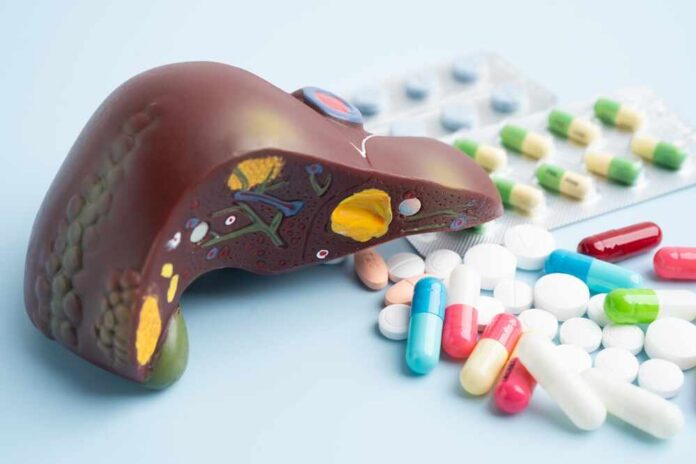
A rigorously controlled trial found a ketogenic diet cut liver fat by about 67% while sending many people’s prediabetes into remission.
Story Snapshot
- Adults with obesity, prediabetes, and fatty liver tried three diets side by side.
- Ketogenic eating reduced liver fat by about 67%, compared with about 45% on others.
- About half on keto no longer met prediabetes criteria after the trial.
- All groups lost about 10% of body weight, yet keto improved liver and glucose more.
What The Trial Tested And Who It Helped
Researchers ran a clinical trial in the United States with adults who had obesity, prediabetes, and fatty liver disease. Participants followed one of three plans: a ketogenic diet, a Mediterranean-style diet, or a low-fat plant-based diet, for roughly five months.
All groups got support to lose weight and stick to the plan. The target group mirrors millions of Americans who struggle with rising blood sugar and liver fat, which raises the risk for type 2 diabetes and heart disease.
METABOLIC PERK: A clinical trial found the keto diet slashed liver fat by 67% — nearly double the reduction seen with Mediterranean and low-fat diets — in adults with obesity and prediabetes who all lost the same amount of weight.
Registered dietitian Ilana Muhlstein told Fox… pic.twitter.com/f1DuQotlTt
— Fox News Health (@foxnewshealth) September 3, 2026
Every group lost about 10% of their body weight, which is a strong result in itself. Yet the ketogenic group saw a much larger drop in liver fat.
Reports state liver fat fell by about 67% on keto, compared with about 45% on the Mediterranean and plant-based diets. That spread points to diet composition, not just weight loss, as a key driver for fat clearing in the liver over the study period.
The Big Numbers On Liver Fat And Blood Sugar
The headline outcome was liver fat, measured by imaging. A 67% drop in the ketogenic group is a striking change for a five-month window. The comparator diets averaged about a 45% reduction. The second eye-catching result was glucose control.
About half of the ketogenic participants no longer met criteria for prediabetes by the end. The Mediterranean group saw about 29% in remission, and the plant-based group about 7%, based on trial coverage.
Insulin sensitivity in the liver improved more on keto as well, according to summaries. Reports describe two- to threefold larger gains in the ketogenic arm versus the others.
That pattern supports the idea that lowering carbohydrate intake reduces liver fat production and improves the liver’s response to insulin. The net effect is steadier blood glucose and less fat trapped in liver cells, which is central to reducing the risk of fatty liver.
Why Diet Composition Mattered Beyond Weight Loss
Equal weight loss across groups removes a common confounder. When each plan drops body weight by about 10%, yet one plan clears more liver fat and restores normal glucose more often, something within the macronutrient mix likely matters.
The ketogenic diet cuts carbohydrates very low and raises fat, which reduces the liver’s need to package and store fat from excess glucose. Prior reviews also show very low-carbohydrate plans can reduce liver fat beyond what the scale alone explains.
Could the keto diet do more than help with weight loss? A new clinical trial found that people with obesity, prediabetes, and excess liver fat who followed a ketogenic diet reduced liver fat by about 67%—compared with roughly 45% on Mediterranean or low-fat diets. About half of…
— Erik Hoffmann (@TheErikHoffmann) September 3, 2026
Mechanisms make sense for everyday life. Fewer carbs mean fewer sharp insulin spikes, so the liver can export and burn fat instead of hoarding it. People often report less hunger on ketogenic plans, which may help them stick with the program long enough to see big metabolic changes.
The trial supports this by showing robust improvements in liver and glucose while weight loss matched that of other diets, pointing to a compositional edge over simple calorie math.
What This Means For Doctors, Patients, And Policy
Clinicians can add a clear option for the right patient at the right time. Adults with obesity, prediabetes, and fatty liver who need fast metabolic gains may benefit from a supervised ketogenic plan over several months.
The trial coverage quotes researchers suggesting keto as a short-term tool for some patients, which fits a practical clinic model: use keto to reset liver and glucose health, then personalize long-term eating based on labs, lipids, and preference.
Health systems and insurers also have a lever. Nonalcoholic fatty liver disease and prediabetes drive costs from diabetes, heart disease, and liver complications. A program that pairs ketogenic coaching, lab tracking, and imaging follow-up could cut risk faster than standard advice.
The evidence base beyond this single trial shows that ketogenic and very low-carbohydrate diets often lower liver fat and improve metabolic markers in the short- to medium-term, supporting targeted deployment.
One Caveat On Scope And Time
The reports describe a roughly five-month intervention in a defined group, which indicates what can change within that window for these patients. The trial did not test every population or map long-term durability in the coverage at hand.
The take-home remains solid for the stated group: a supervised ketogenic diet can slash liver fat, improve insulin sensitivity, and push many cases of prediabetes back over the line to normal in the short term.
Sources:
foxnews.com, sciencedaily.com, pmc.ncbi.nlm.nih.gov, sciencemediacentre.es