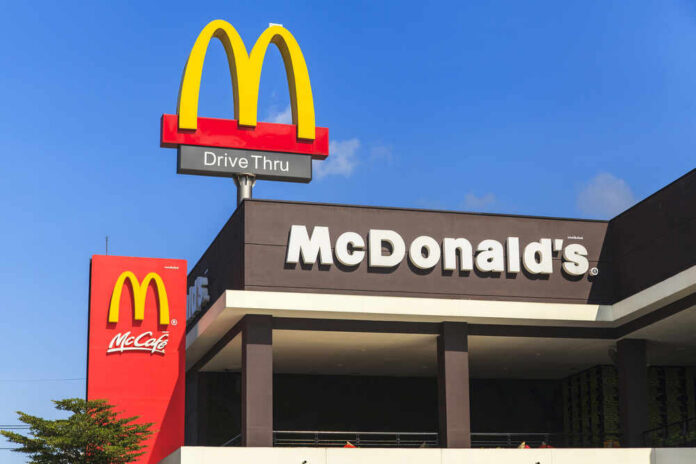
McDonald’s is running an eight-week, 1,900-store test of new low-price bundles to pull U.S. traffic back and set up a national value program.
Story Snapshot
- About 1,900 U.S. restaurants are testing two low-price menu formats across all dayparts.
- The test includes mix-and-match bundles and fixed bundles designed to be easy to order.
- Executives signaled plans to roll out a national value program next year, with an eye toward early 2027.
- The move follows softer U.S. traffic and a broader fast-food price war.
McDonald’s puts real scale behind a value test.
McDonald’s began an eight-week test of two “everyday affordable” menu structures in roughly 1,900 U.S. stores, spanning all dayparts. Chief Executive Officer Chris Kempczinski detailed the pilot on the company’s third-quarter earnings call, describing two formats: mix-and-match bundles and fixed bundles. The company framed the effort as a clear value play that also keeps ordering simple for customers and crew members. The test covers a handful of U.S. regions and is meant to address softer traffic and price fatigue.
Executives and trade outlets tied the test to a larger plan to bring a national value program next year, with some reporting that leaders are aiming for a broad launch in early 2027 if results hold. The chain wants a program that customers can understand fast and that franchise owners can afford to run at scale. The timing reflects both consumer pressure from higher everyday costs and rising price competition across the quick-serve field.
What is different about this test
The company is not tossing out random discounts. It is testing two precise formats designed to steer choices. Mix-and-match bundles let guests pick from a small set and still hit a low price. Fixed bundles lock in a price for a set group of items. Kempczinski said the structures mirror ordering habits from past offers, which reduces friction at the counter and in the app. That matters for speed, staffing, and the total bill at a time when check growth has slowed.
McDonald's plans new value menu offerings next year to boost sluggish sales https://t.co/eoDuLf5dM4
— FOX Business (@FoxBusiness) November 6, 2026
Scale also sets this test apart. Running across about 1,900 stores gives leaders clean readouts on guest response, add-on purchases, operations, and franchise economics. That scope can reveal if a bundle pulls in new guests or only shifts current buyers to cheaper items. It can also show if people add fries or a larger drink after starting with a value anchor, which is how these menus pay for themselves when they work.
Why value keeps coming back
Value menus cycle in and out because they do two things at once. They bring bodies through the door, and they test the limits of profit. McDonald’s used low-price plays after soft patches before, from the Dollar Menu era to tiered offers like $1 $2 $3. Those moves often tracked with higher visits and better sales trends, especially when ads made the offer simple to grasp. But when food and labor costs rise, franchisees push back, and chains tweak or retire the deals.
History suggests the sweet spot is clarity plus control. Clear means the price and items are easy to recall. Control means the company can switch lineups by region and time of day to protect margins. The new test formats hint at both. Mix-and-match creates a headline price but keeps flexibility on what qualifies. Fixed bundles can shift by market if beef or chicken costs move. That balance gives owners a fighting chance to make money while guests still feel they got a deal.
The stakes for consumers and franchise owners
For families watching budgets, this move signals lower entry prices without a maze of fine print. If the bundles are broad enough—think a sandwich, a side, and a drink traffic could lift fast. If they are too narrow, guests may ignore them. The best sign will be whether lines form around lunch and late night in test markets, and whether average checks hold steady due to add-ons like sauces, desserts, or size upgrades.
For franchise owners, the math rules. A value offer that only swaps a $9 meal for a $6 bundle will not fly for long. But a $6 bundle that draws a lapsed guest who then adds fries can work. The company’s decision to test at scale respects that reality. Claims that a national program could begin next year, with early 2027 as a wider target, look reasonable if the test proves traffic gains and stable margins together. That standard aligns with common-sense business discipline.
Sources:
foxbusiness.com, marketwatch.com, morningstar.com, apnews.com, restaurantdive.com, finance.yahoo.com, businessinsider.com, chicagotribune.com