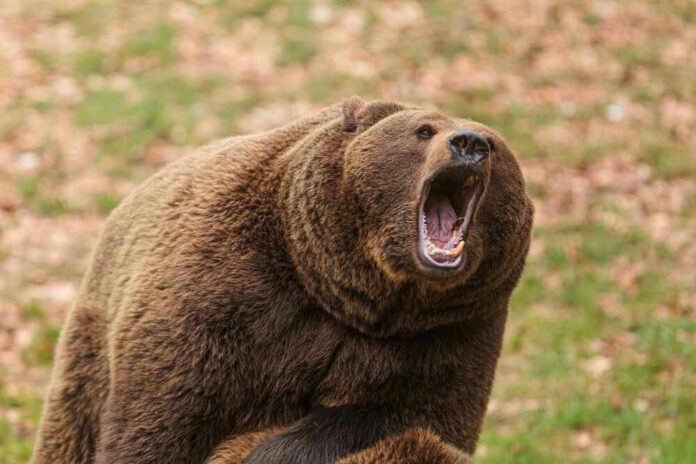
A solo hiker’s close encounter with a grizzly bear in Yellowstone reveals the stark reality of venturing alone into America’s wilderness.
Story Highlights
- First bear attack in Yellowstone since 2021 injures 29-year-old solo hiker on remote trail.
- Hiker deployed bear spray during the attack, sustaining significant chest and arm injuries.
- Incident occurred in a high-activity bear management area, highlighting wilderness risks.
- Trail remains closed as DNA analysis attempts to confirm grizzly bear involvement.
Wilderness Reality Check: When Bear Spray Isn’t Enough
A 29-year-old hiker learned firsthand why solo adventures in America’s backcountry demand serious preparation and respect for nature’s apex predators.
While hiking the Turbid Lake Trail in Yellowstone’s Pelican Valley Bear Management Area, the man encountered what investigators believe was a grizzly bear in a surprise attack that left him with significant injuries to his chest and left arm.
The hiker attempted to deploy bear spray during the encounter—a tool heavily promoted by park officials as the primary defense against aggressive bears. Despite having this recommended deterrent, he still sustained serious injuries requiring hospitalization.
This incident starkly illustrates that even following official safety protocols doesn’t guarantee protection in America’s wild places.
National Park Service medics responded to the scene, escorted the injured hiker to the trailhead, and transported him to Lake Medical Clinic before he was flown to a hospital.
He was released the following day, marking a fortunate outcome in what could have been a far more tragic encounter.
Hiker attacked by bear during ‘surprise encounter’ in Yellowstone National Park https://t.co/PPppWOamIt pic.twitter.com/QZwafcVU3p
— New York Post (@nypost) September 17, 2025
First Attack in Four Years Raises Safety Questions
This marks the first bear-caused injury in Yellowstone since May 2021, when another solo hiker was attacked on the Beaver Ponds Trail.
The rarity of such incidents—only eight bear-related deaths since the park’s founding in 1872—often creates a false sense of security among visitors who may underestimate the real dangers of backcountry recreation.
Park officials have determined this was a defensive attack, not predatory behavior, and announced no management action will be taken against the bear.
While this decision aligns with standard wildlife management practices, it leaves the dangerous animal in the area where families and outdoor enthusiasts continue to recreate.
The Turbid Lake Trail remains closed pending investigation and safety sweeps, but adjacent areas remain open to hikers.
Bear management staff are conducting DNA analysis to definitively confirm the species involved, though evidence strongly suggests a grizzly bear was responsible for the attack.
Government Land Management and Personal Responsibility
This incident highlights a fundamental tension in government land management: federal agencies promote outdoor recreation while simultaneously restricting citizens’ ability to adequately protect themselves.
Park regulations prohibit firearms, leaving visitors dependent on bear spray and hope when facing 600-pound predators capable of running 35 mph.
The Pelican Valley Bear Management Area where this attack occurred is known for high bear activity, yet the government continues to encourage public access while limiting personal defense options.
This approach places enormous faith in wildlife behavior and non-lethal deterrents, as this recent attack demonstrates.
Historical Context and Current Reality
Grizzly populations in the lower 48 states have declined dramatically since the 1800s, with fewer than 1,000 remaining today.
While conservation success stories deserve recognition, the concentration of these powerful predators in areas heavily promoted for public recreation creates predictable conflicts.
Increased visitation and backcountry use in Yellowstone have heightened the potential for human-bear encounters, yet park management continues emphasizing education and non-lethal deterrents over allowing citizens their constitutional rights to personal protection.
The injured hiker followed official protocols and still required emergency medical evacuation—a sobering reminder that government recommendations don’t always guarantee safety.
Sources:
LA Times – Yellowstone Hiker Survives Bear Attack
National Park Service Official Update
Outside Online – Yellowstone Hiker Bear Attack