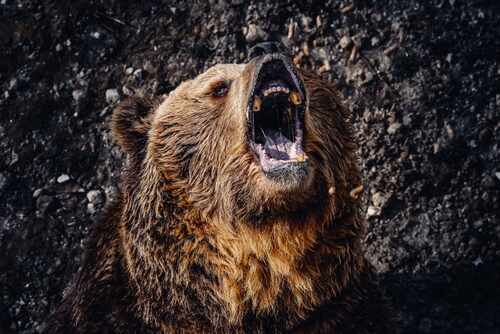
Yellowstone’s first grizzly bear of 2026 emerged five days early, scavenging a bison carcass and signaling heightened risks for visitors who cherish America’s wild heritage.
Story Snapshot
- Park biologists confirmed the first official grizzly sighting on March 9 in the northern backcountry, feeding on a bull bison carcass.
- Sighting marks five days earlier than 2025 but aligns with recent trends of early male bear emergence from hibernation.
- NPS warns of aggressive bear behavior around food sources, urging bear spray over firearms for safety.
- Annual food storage orders are in place through the Custer Gallatin National Forest to prevent human-bear conflicts.
First Official Sighting Confirmed
Yellowstone National Park biologists observed a grizzly bear on March 9, 2026, in the northern backcountry. The bear scavenged a bull bison carcass, marking the park’s first confirmed sighting of the year. Park officials announced the event through a March 10 news release.
This early emergence aligns with male grizzlies typically leaving hibernation in early March, driven by hunger after months of fasting. The park estimates over 1,000 grizzlies in the region, with boars targeting winter-killed animals such as bison near frozen ponds.
Historical Patterns and Early Trends
Male grizzlies emerge first in early March, while females with cubs wait until April or May. Winter deaths from cold, disease, or starvation leave bison and elk carcasses that thaw in spring, drawing hungry bears.
This year’s official sighting beats 2025’s March 14 date by five days but matches patterns like 2024’s March 3 and 2022-2023’s March 7.
An unofficial late January sighting of an adult bear, possibly active in its den, did not qualify as official. NPS biologists dismissed it, noting bears can stir without fully emerging.
First grizzly bear of 2026 spotted at Yellowstone, feeding on bison carcass https://t.co/klYjkHDNTV
— CBS Sunday Morning 🌞 (@CBSSunday) March 11, 2026
Safety Warnings for Visitors and Staff
NPS emphasizes that bears can be aggressive when feeding on carcasses. Officials recommend bear spray as the primary defense, citing its effectiveness in preventing conflicts and unnecessary bear killings.
Firearms remain a secondary option under park rules. The park stays mostly closed to general visitors, limiting access to snowmobile and snowcoach routes. This reduces encounters during peak emergence.
The Custer Gallatin National Forest enforces annual food storage orders from March 1 to December 1 to protect both people and wildlife.
Park staff and limited winter users face the highest short-term risks as more bears emerge. Long-term, healthy population signals support conservation efforts central to America’s natural legacy. Common-sense precautions preserve family outings in bear country without government overreach.
Expert Insights on Bear Behavior
Wildlife photographer Jorn Vangoidtsenhoven notes early boars seek bison deaths at iced ponds. Bear biologist Frank van Manen called the January sighting among the earliest on record, though unofficial.
Yellowstone Public Affairs Officer Linda Veress explained that bears may not enter full torpor and can move in dens. Consensus holds early March as normal for males, with uniform safety messaging across sources. NPS maintains authority over park rules, collaborating with neighboring forests.
Sources:
Yellowstone Confirms First Grizzly Sighting of 2026
Yellowstone records first grizzly bear sighting of 2026 five days ahead of last year’s first spot
Yellowstone’s First Grizzly of 2026 Spotted Feasting on a Bison
Official NPS News Release March 10, 2026
First grizzly of the spring spotted scavenging in Yellowstone