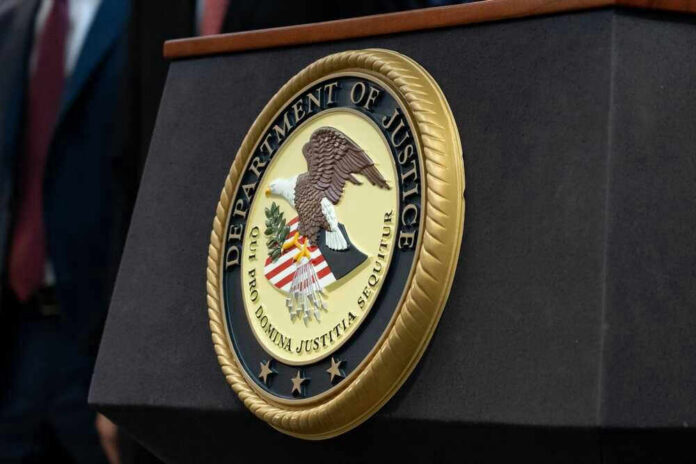
Federal prosecutors are preparing to drop charges against Matthew Goettsche, the man accused of masterminding the $722 million BitClub Network crypto fraud, and they are doing it with prejudice, which would block the case from being brought again.
Quick Take
- The Department of Justice is moving to dismiss all charges against Goettsche following a 2019 indictment that linked him to BitClub Network’s alleged fraud.
- Reportedly, the dismissal would be with prejudice, which means prosecutors could not refile the same charges later.
- Goettsche’s lawyers told the court that the parties had reached an agreement in principle, but the final terms were still being worked out.
- Three co-defendants have already pleaded guilty in the case, even as the government now backs away from trial.
What Prosecutors Are Doing
According to reports from Bloomberg Law and other outlets, the Deputy Attorney General’s office in Washington ordered the New Jersey United States Attorney’s Office to seek dismissal of the case.
That move reverses a long-running prosecution that accused Goettsche and others of running a crypto mining scam that took in at least $722 million from investors.
Federal prosecutors to drop charges against alleged mastermind of $722 million crypto Ponzi scheme https://t.co/U3NG9JnH6Y
— FOX Business (@FoxBusiness) July 11, 2026
The timing matters. The case had been heading toward an October trial, and the dismissal would end the criminal case before a jury ever heard it.
Goettsche’s attorneys told the court they had reached an agreement in principle to resolve the pending charges, which suggests the move was coordinated rather than sudden.
Why This Case Stands Out
BitClub Network was one of the bigger crypto fraud cases filed by federal prosecutors. The government said the company promised mining returns that did not match reality, and the indictment linked Goettsche, Balaci, and Weeks to wire fraud charges.
A civil or parallel recovery effort for victims may still continue, but dropping the criminal case changes the story sharply for prosecutors who once framed Goettsche as the central figure.
The government has not publicly laid out a full explanation for the retreat in the reporting available here. But the filings and reports point to a practical conclusion: prosecutors decided not to press ahead to trial, even with guilty pleas already secured from other defendants. In plain terms, the Justice Department appears to have chosen certainty over a risky courtroom fight.
What It Signals About Crypto Enforcement
This decision fits a broader shift in federal crypto enforcement. Recent reporting says the Justice Department has pulled back from some crypto cases and narrowed its focus to conduct involving clear fraud, hacking, sanctions evasion, and similar crimes.
That does not erase earlier allegations against Goettsche, but it does show that federal priorities in digital asset cases are changing fast.
For readers who followed BitClub as just another crypto scandal, this is the part that lands hardest. The case once looked like a classic fraud prosecution with a huge paper trail and cooperating defendants.
Now it is turning into a lesson in prosecutorial discretion, timing, and how federal agencies sometimes decide that ending a case serves them better than winning one.
Sources:
foxbusiness.com, forklog.com, x.com, loveisbitcoin.com, newsbreak.com, bingx.com, cnbc.com, wsj.com, reuters.com, armstrongbradylyons.com