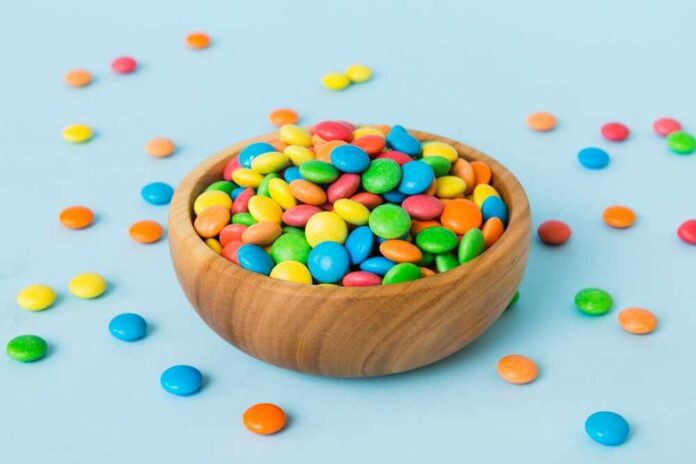
America’s most famous candies just changed their colors without changing their stripes.
Story Snapshot
- Mars is rolling out versions of M&M’s, Skittles, and Starburst without artificial dyes starting in 2026.
- New dye-free versions hit Amazon first, with natural colors from plants and algae.
- Dye-free M&M’s launch without blue or brown pieces at first, then expand later.
- Classic recipes stay on shelves while shoppers test the new options.
What Mars Is Actually Changing, And When
Mars Wrigley North America plans to sell options of four big brands without Food, Drug and Cosmetic certified colors in 2026. The first wave includes M&M’s Chocolate, Skittles Original, Starburst Original, and Extra Gum Spearmint, according to news reports on the company’s announcement.
This is a product-option strategy, not a full swap. Mars keeps its classic recipes in stores while offering clean-label versions alongside them for shoppers who want that choice.
Some of the country's most recognizable candies are getting a makeover.
Starting Thursday, new versions of M&M's, Skittles and Starburst made without artificial food dyes are available to consumers on Amazon. https://t.co/FZfuqmNznz
— ABC News (@ABC) August 13, 2026
New versions of M&M’s, Skittles, and Starburst that use natural colors arrived online first. ABC News reported these dye-free options became available to consumers on Amazon.
The color palette comes from natural sources, including beet juice, turmeric, spirulina, and carotene-based compounds, which can deliver bright shades without synthetic dyes.
Early online-only access is a common test path. It lets a company scale slowly, watch reviews, and fix issues before filling millions of store shelves.
Why Blue And Brown Went Missing At First
The first dye-free M&M’s skip blue and brown pieces. Multiple reports say Mars starts with a four-color mix and keeps working on the tougher shades. Natural blue has long been hard to nail in mass candy.
Stability, taste, and cost all bite at the same time when heat, light, and shelf life push the recipe. That is not hedging; that is engineering in public. The company can phase in more colors once the lab and the line hit the mark.
Shoppers should expect a step-by-step rollout, not a light switch. Reformulating iconic candy is tricky. Natural pigments can shift under light, react with acidity, or change how a shell snaps.
Online-first sales let Mars measure waste, returns, and flavor notes at low risk. That protects price and keeps classic bags on shelves for loyalists who do not want change.
What The Labels Will Tell Your Pantry
The label shift is direct. Expect no Food, Drug and Cosmetic certified color names like Red 40 or Yellow 5 on the dye-free versions. Expect plant sources like beet juice for red, turmeric for yellow, and blends with spirulina for green.
Beta-carotene and other carotenes can build orange and gold notes that hold up better in coatings. These choices match a clear consumer trend toward simple, readable ingredients without a chemistry lecture on the back panel.
Do not confuse options with mandates. Reports make clear Mars is not pulling the classic candies. The company adds new versions and keeps the originals. That matters for families who want the same cake-decorating colors as before, and for parents who prefer natural colors for kids’ snacks.
A mature market works best with freedom to choose, clear labels, and honest pricing. Mars appears to be following that script while it improves the dye-free set piece by piece.
How To Shop This Shift Without Getting Burned
Look for “made without Food, Drug and Cosmetic colors” or similar wording on the front. Check the ingredient list for plant sources. If you want the new versions now, search online listings where the dye-free bags launched early.
If you want all six M&M’s colors, buy the classic bag for now, since the dye-free set starts without blue and brown. If you host a kid’s party, try a side-by-side bowl and see which empties first. That is the best feedback loop there is.
What This Signals For Big Food Next
This move is less a moral crusade and more a market test at scale. Candy makers watch taste, color pop, and waste. Retailers watch turns and returns. If the dye-free versions keep flavor, hold color, and sell, more brands will follow.
If not, the options will remain a niche line. Either way, consumer choice wins. Companies that respect adults’ judgment and label cleanly deserve credit. That is how trust in food gets built, bag by bag.
Sources:
abcnews.com, facebook.com, ts2.tech, thehill.com