America’s fastest ocean liner is set to retire beneath the Gulf of Mexico, trading steel and steam for coral and snapper.
Story Snapshot
- The SS United States left decades of dormancy in Philadelphia and headed south in 2025.
- Okaloosa County, Florida, set a November 2026 window to deploy the ship as an artificial reef.
- The ship’s 1952 transatlantic speed record still stands, fueling its legend.
- County plans call for an on-land museum using preserved ship components.
From record-setter to reef anchor
The SS United States earned fame on its first crossing in 1952, when it claimed the blue riband for the fastest transatlantic passage. Reports describe speeds topping 40 miles per hour, a mark no ocean liner has surpassed since. The ship ended service in 1969. After a long limbo, it spent nearly 30 years docked in Philadelphia until a southbound tow began in 2025. That move set up a final mission that would draw divers, fishermen, and history fans to Florida’s Panhandle.
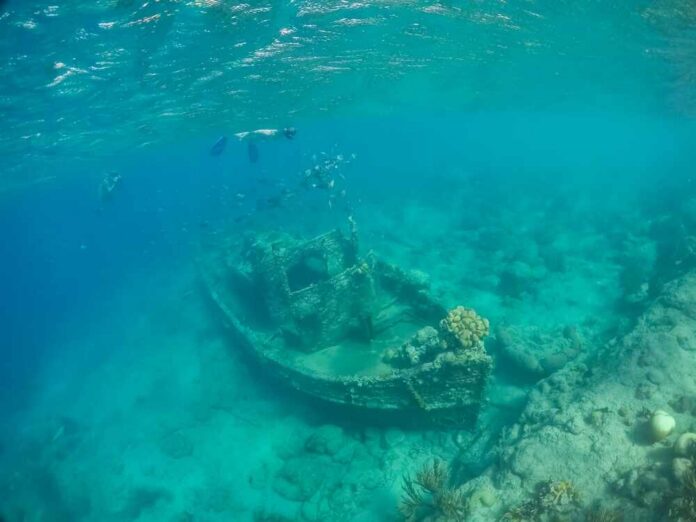
Okaloosa County in Florida announced a deployment plan to sink the ship as an artificial reef about 22 nautical miles southwest of Destin-Fort Walton Beach. The county set the second week of November 2026 for the operation, subject to weather and sea conditions. Officials later named November 12 as the target date in public updates. Local reporting repeated the date and location, citing county communication. The plan would place a giant piece of American maritime history in waters well known for reef diving.
Why a legend heads underwater
The path to reef duty followed years of courtroom and dockside drama. The SS United States Conservancy, which had long sought a future for the ship, clashed with the owners of Philadelphia’s Pier 82. A 2024 federal complaint alleged unpaid rent, and the conflict pushed the vessel’s fate toward a hard choice: move or lose it. Florida’s Okaloosa County then stepped in to acquire the ship in 2024 and prepared it for reef conversion. The county argued the project would boost tourism and fishing while saving part of the ship’s story.
County plans detail a split legacy: a living reef offshore and a museum on land. Okaloosa County said it would preserve major elements, such as the iconic smokestacks, for display. The museum would interpret the ship’s design, Cold War role, and celebrity passengers, while divers explore the hull below the surface. That two-part approach fits a pattern in historic ship care. When a full restoration is beyond reach, selective preservation and reuse can keep the core story alive without the impossible bills of a full rebuild.
The deployment playbook and what it takes
Sinking a ship on purpose is not a simple splash. Crews must strip hazards, certify clean surfaces, and plan a controlled descent onto stable seafloor. The county’s updates described agency involvement, including the United States Coast Guard and the state environmental department inspections in the lead-up. Weather remains the final judge so that schedules can move. These steps mirror other large reef projects, which show that careful preparation and site choice are key to safety and long-term value.
Instead of glorifying this sinking, they should have asked WHY we have to accept this fate? The Queen Mary is alive & well in Long Beach; why could not the SS United States, the superior ship, have received a similar fate, be docked permanently & receiving visitors who love her??
— B.J. Major (@webmaster_major) November 8, 2026
Local leaders promoted the SS United States reef as the “world’s largest artificial reef” in county messaging tied to the deployment announcement. Reporters repeated that phrasing when sharing the county’s timeline. The scale would be notable by any measure, given the ship’s size and history. Supporters predict a surge in charter boats, hotel bookings, and tackle sales as divers and anglers target the site. Past studies of Florida Keys reef ships found major recreational draws once a large hull hits bottom.
What this choice says about values and trade-offs
The plan reflects a practical judgment that fits American conservative values of stewardship, local control, and use. The ship sat idle for decades. Maintenance money was scarce. A county with skin in the game decided to convert a problem into an asset and keep key artifacts above water. That choice favors clear outcomes over endless studies, turns public waters into a working resource, and preserves history in forms people can actually see and use. The ship serves again, just in a new way.
Sources:
cbsnews.com, myokaloosa.com, heritagefund.org.uk