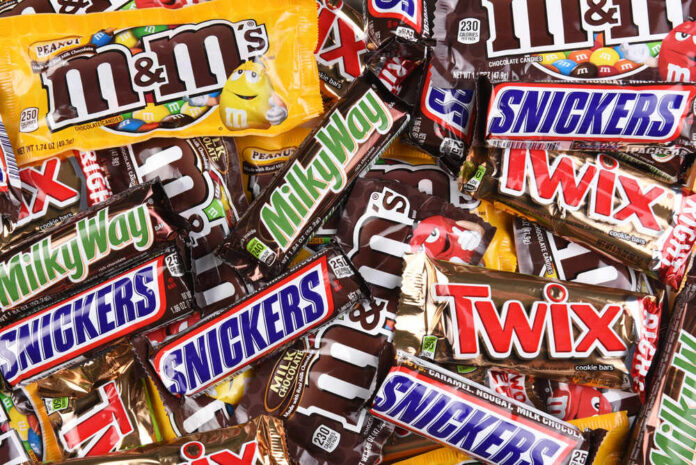
Candy prices jumped 8.1% year over year, yet Americans still plan to spend billions on Halloween treats.
Story Snapshot
- Candy and chewing-gum prices rose 8.1% from last year, topping overall inflation.
- Reports say shoppers still plan to spend billions on Halloween candy despite higher prices.
- National Retail Federation data shows strong Halloween participation and large total outlays.
- Consumers adapt by buying early, chasing sales, and stretching budgets to keep traditions.
Prices Spike While Demand Refuses To Budge
Government data showed candy and chewing-gum prices rose 8.1% over the past year, more than double the growth in overall consumer prices reported for the same period. News outlets reported that Americans still expected to spend billions on Halloween candy, even as prices climbed. The plan is simple: keep the tradition, but shop smarter. That means grabbing early-bird deals, using coupons, and switching brands. Households are bending, not breaking, to keep the porch light on for trick-or-treaters.
Large holiday spending did not stop at candy. The National Retail Federation said total Halloween spending was set to hit a record, driven by candy, costumes, and home displays. Surveys showed strong participation in celebrations, which helps explain why candy sales hold up even when prices bite into budgets. Families value the ritual and the neighborhood moment. They scale the basket, not the night. Sugar may cost more, but memories still feel like a bargain.
What The Surveys Actually Say About Candy And Costumes
Category labels matter. The National Retail Federation’s 2023 report projected $12.2 billion in total Halloween spending, with $4.1 billion for costumes and $3.6 billion for candy. Some coverage framed $4.1 billion as candy, but the trade group’s breakdown tied that larger figure to costumes. Either way, the signal is clear: people kept planning big for Halloween. Spending intentions came from a large consumer survey and reflected broad participation across age groups and regions.
One caveat belongs here and only once: those numbers are forecasts of planned spending, not audited receipts. Plans can shift. But the point stands. When participation rates stay high and the holiday stays sticky, candy rings at the register. That is why retailers stock end caps in August and run price promotions in waves. They meet consumers where they are: eager to buy, but picky about price.
How Shoppers Beat an 8.1% Candy Inflation Hit
Households fight inflation with tactics, not wishes. They buy earlier to catch sales. They trade down to store brands. They choose smaller bags at lower total prices, or larger club bags with lower unit costs. They also split purchases across multiple trips to clip more discounts. Research on food inflation shows families do not face the same price path. Some pay more because of where they shop and what they buy, while others dodge hikes with smart switches and timing.
Halloween candy is getting more expensive this year, but Americans aren't letting higher prices stop them from stocking up on treats. https://t.co/3Pkk1SG3fq
— FOX 10 Phoenix (@FOX10Phoenix) October 11, 2026
Shrinkflation adds a twist. Many shoppers pay the same sticker price for fewer ounces, which lifts the per-ounce cost without a shocking shelf tag. Studies show people react more to price jumps than to subtle size cuts, so brands often shave weight to protect volume. That leaves buyers feeling like bags empty faster, even if the receipt looks steady. The result is the same for budgets: fewer pieces per dollar, and tougher choices at the candy aisle.
The Real Drivers Behind Sticky Halloween Spending
Tradition and social pressure keep Halloween spending resilient. Parents remember the joy of a full bowl. Neighbors expect the porch to be lit and the bucket to be brimming. Communities like the shared moment, and they budget to protect it. Retailers lean into that loyalty with multipack deals, digital coupons, and in-store displays that nudge planned shoppers to add an extra bag. The math works because high participation meets tactical discounting, which spreads the hit across many small choices.
Common sense says families will not torch a beloved night over a few dollars. They will trim the list, switch brands, and still hand out treats. That aligns with conservative values that prize family tradition, prudent budgeting, and letting consumers solve problems with practical choices. Households adapt. Markets follow. And the doorbell keeps ringing, even when the candy aisle stings a bit more than last year.
Sources:
foxbusiness.com, newsbreak.com