Economists report that starting GLP-1 treatment is linked to a 17% drop in long sick leave among workers.
Story Highlights
- Researchers found a 17.3% reduction in long-term sickness leave after GLP-1 initiation.
- The study defines long-term leave as medically certified absences longer than 30 days.
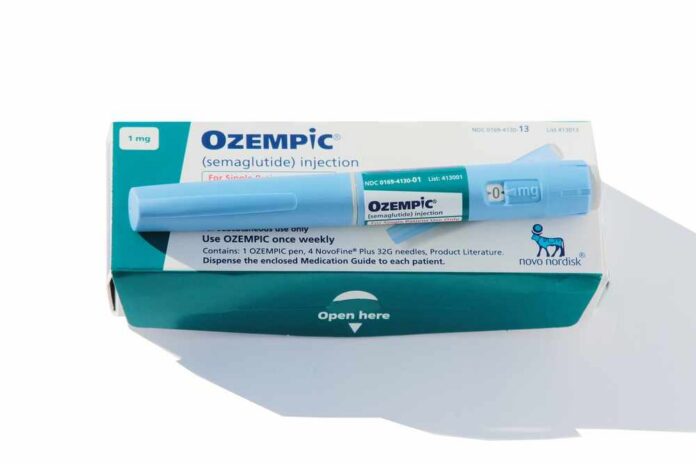
- Popular brands include Ozempic and Wegovy; media reports echo the core finding.
- Lower sick leave could carry fiscal benefits and workplace gains, if results hold at scale.
What the new study actually found
Researchers analyzed workers who began glucagon-like peptide-1 therapy and tracked their sick leave for four years. They report a 0.95 percentage point drop in long-term sickness leave from a 5.5% baseline, which equals a 17.3% decline.
The outcome focuses on absences longer than 30 days that require medical sign-off. The authors frame these results as labor market effects, not just medical markers. The paper highlights potential fiscal gains tied to higher work participation.
GLP-1 drugs linked to 17% drop in worker sick leave, new economic study finds. https://t.co/h3Jjwf2KAI
— CBS News (@CBSNews) July 22, 2026
Coverage from a major news outlet summarized the headline result and noted the drugs’ brand names, which are familiar to many patients. The report stated that GLP-1 users took 17% fewer long-term sick leaves than nonusers.
That framing kept the claim on workplace outcomes, not only weight or diabetes control. The media attention pushed the finding from an academic circle into boardrooms and human resources meetings across the country.
Why this matters for employers and taxpayers
Workplace health costs do not end with medical bills. Employers often pay more in lost productivity than in clinic and pharmacy spend. A multi-employer analysis estimated health-related productivity costs at about 2.3 times direct medical and pharmacy costs.
If fewer long absences occur, the savings could be real for businesses and also for public budgets that support safety net programs. The study’s authors even estimate fiscal benefits tied to labor income retention.
Managers watch long-term leave because it disrupts teams and drives overtime and temp coverage. A sustained cut in long sick leave could ease that churn. It may also reduce disability claims risk if fewer cases progress to extended time off.
This case says healthier workers show up more and stay on the job. That aligns with values that favor work, lower dependency, and private initiative over public outlays.
What the study does not settle yet
The paper uses observational methods, not a randomized trial. That design can measure strong links but cannot prove cause with the same certainty. Healthier, more motivated patients may seek GLP-1s sooner and also return to work faster.
The authors try to adjust, but some unmeasured factors can remain. Responsible readers should treat the 17.3% figure as a careful estimate, not a promise for every company or every job type.
Access and adherence also shape results. Some employers do not cover these drugs for weight loss even if they cover them for diabetes. Policies differ by plan and are not subject to a federal mandate to include weight-loss coverage.
If workers stop or stretch doses, benefits may fade. Coverage designs, coaching, and side effect support will influence any real-world outcome in the workplace.
How leaders can act without overreaching
Benefit leaders can run a simple pilot with clear guardrails. Start with people who meet medical criteria and want treatment. Pair pharmacy coverage with clinical support and side effect follow-up. Track long-term sickness leave, short-term disability, and job retention.
Keep the test small, set a time limit, and compare results to a matched group. This approach respects budgets while testing the study’s promise on your actual workforce.
GLP-1 drugs linked to 17% drop in worker sick leave, new economic study finds. https://t.co/h3Jjwf2KAI
— CBS News (@CBSNews) July 22, 2026
Finance leaders should model both sides of the ledger. Include drug costs, changes in hospital and clinic use, and shifts in overtime or temp spending. Add a range for reduced long-leave risk. If the numbers work, scale with care. If not, pause.
The point is to reward what works and pass on what does not. That is prudent, pro-work policy: pay for value, measure outcomes, and stay focused on getting more people healthy and back on the job.
Sources:
cbsnews.com, meltemdaysal.com, pmc.ncbi.nlm.nih.gov, docs.iza.org, fisherphillips.com, uspm.marketing.s3.amazonaws.com