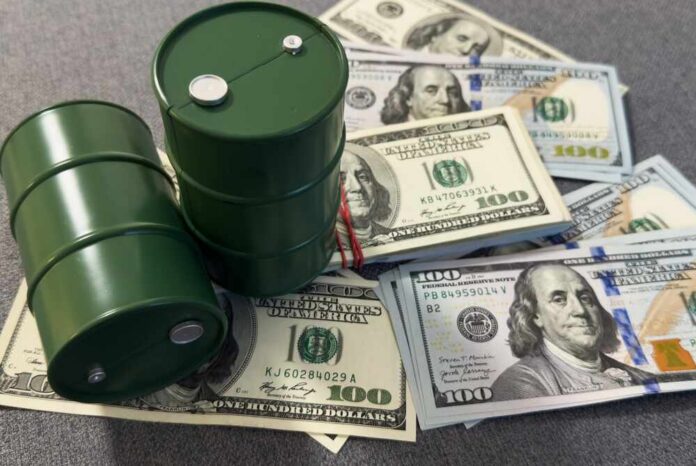
President Trump’s administration is draining 172 million barrels from America’s Strategic Petroleum Reserve, while critics warn that this massive drawdown leaves the nation dangerously vulnerable amid escalating geopolitical tensions that threaten global energy supplies.
Story Snapshot
- Trump authorizes release of 172 million barrels from Strategic Petroleum Reserve as part of coordinated 400 million barrel international effort involving 32 nations
- Drawdown unfolds over 120 days while administration promises to replenish 200 million barrels within one year at no taxpayer cost
- Current SPR inventory at 415 million barrels, down from the 2021 peak, with legislation potentially reducing reserves to just 238 million barrels by 2028
- Energy experts characterize the release as a psychological market calming measure that cannot offset massive supply disruptions from geopolitical crises
- Historical replenishment failures raise doubts about refilling reserves, especially when oil prices surge
Massive Reserve Drawdown Amid Geopolitical Tensions
Energy Secretary Chris Wright announced the Trump administration’s decision to release 172 million barrels from the Strategic Petroleum Reserve, joining 31 other International Energy Agency member nations in a coordinated 400-million-barrel release.
The drawdown began flowing into markets with completion scheduled over approximately 120 days. Wright framed the action as demonstrating Washington’s commitment to maintaining energy security while controlling fuel costs.
The release responds to geopolitical tensions threatening global supply chains, though officials provided limited specifics about which threats prompted the emergency action.
Oil enters U.S. markets within 13 days of presidential authorization, with maximum drawdown capability of 4.4 million barrels per day.
US taps millions more barrels from strategic reserve as critics warn drawdown could fuel vulnerabilities https://t.co/erIdktx5W4
— FOX Business (@FoxBusiness) April 3, 2026
Questionable Promises to Refill Depleted Reserves
Administration officials promise to replace the 172 million-barrel drawdown with approximately 200 million barrels within the next year, claiming 20 percent more barrels will be returned at no taxpayer cost.
This assurance rings hollow given recent history. The Biden administration announced replenishment plans in December 2022, following massive drawdowns in 2022 that reduced the SPR to 40-year lows.
Those refilling efforts stalled by April 2024 when rising oil prices made purchases uneconomical. Current SPR inventory stands at 415.06 million barrels as of March 27, 2026, down from 415.44 million barrels the previous week.
Existing legislation could further reduce reserves to just 238 million barrels by 2028, representing a devastating 67 percent reduction since 2010.
Expert Warnings on Strategic Vulnerability
William Lee, Chief Economist at Global Economic Advisors, characterizes the U.S. release as largely a psychological move aimed at calming markets because actual volumes cannot offset massive disruptions caused by events like the Strait of Hormuz closure.
The pace at which the U.S. can pump oil from reserves represents only a fraction of what geopolitical crises disrupt in the Gulf region.
Most global demand is concentrated in Asia and China, where shipping from the United States reserves takes considerable time, limiting effectiveness where demand is highest.
Beyond oil shortages, experts warn the real threat extends to helium and gas supplies essential for advanced semiconductor production. This reveals vulnerabilities across multiple critical supply chains that emergency oil releases cannot address.
Pattern of Depleting Emergency Stockpiles
The Strategic Petroleum Reserve was established as America’s emergency crude stockpile to protect energy security during supply disruptions, with a maximum capacity of 160 million barrels.
The Biden administration progressively drained these reserves through multiple releases: 50 million barrels in November 2021 for high gasoline prices, 30 million barrels in March 2022 following Russia’s invasion of Ukraine, and the largest release ever in March 2022, totaling 180 million barrels over six months at 1 million barrels daily.
These actions reduced the SPR by 45 percentage points from January 2021 levels by September 2023, bringing reserves to their lowest point in four decades.
Now the Trump administration continues this pattern, releasing more emergency reserves during heightened geopolitical tensions when America should be strengthening strategic buffers, not depleting them.
Market Psychology Versus Material Security
Officials emphasize the drawdown stabilizes supply and dampens volatility amid geopolitical tensions, framing it as responsible temporary energy management.
The coordinated international response involving 32 nations amplifies market impact beyond what the United States could achieve alone.
However, the fundamental question remains whether short-term price relief justifies long-term security exposure. The reserve exists precisely for genuine emergencies when supply disruptions threaten national security and economic stability.
Using emergency reserves for market management and price control transforms a strategic security asset into a political tool for addressing consumer complaints about fuel costs.
This approach undermines the reserve’s core purpose while creating genuine vulnerability if geopolitical situations deteriorate further and America lacks adequate emergency supplies when truly needed.
American families deserve relief from high energy costs caused by years of failed policies restricting domestic production and pipeline infrastructure.
Yet draining emergency reserves built for genuine crises represents shortsighted political maneuvering rather than sound energy strategy.
The administration’s replenishment promises carry little weight given documented failures to refill reserves when oil prices rise. Energy independence through robust domestic production and sensible infrastructure development offers the only sustainable path to both affordable energy and genuine security.
Relying on emergency stockpile drawdowns for market management leaves America exposed precisely when global instability demands strategic preparedness.
Sources:
Strategic Petroleum Reserve (United States) – Wikipedia
SPR Quick Facts – Department of Energy
US Ending Stocks of Crude Oil in the Strategic Petroleum Reserve – YCharts
Weekly U.S. Ending Stocks of Crude Oil in SPR – Energy Information Administration