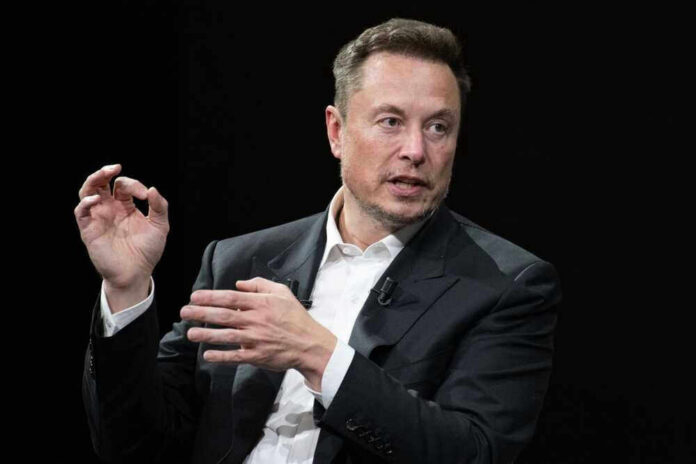
Elon Musk’s bold Terafab announcement delivers a massive win for American manufacturing independence in Texas, shielding U.S. innovation from foreign supply chains amid endless foreign wars draining our resources.
Story Highlights
- Musk unveils Terafab: Dual chip factories by Tesla and SpaceX in Austin, Texas, for vehicles, robots, and space AI.
- Targets unprecedented scale—100-200 gigawatts Earth computing, 1 terawatt for space—ending reliance on overseas suppliers like TSMC.
- Texas gains jobs and investment, boosting red-state economy as federal war spending skyrockets past $20 billion.
- Vertical integration empowers private enterprise over globalist vulnerabilities, aligning with America First priorities.
- No timelines yet, but Musk’s track record raises feasibility questions in semiconductor complexity.
Musk’s Terafab Announcement in Austin
Elon Musk announced Terafab on March 22, 2026, at a downtown Austin event near Tesla’s headquarters. The facility features two fabs: one produces chips for Tesla vehicles and Optimus humanoid robots; the other crafts space-hardened chips for AI data centers enduring extreme temperatures.
Musk stressed necessity, stating companies must build or lack chips entirely. This follows his social media tease the prior day, marking SpaceX’s first disclosed role in chip production. The project addresses surging demands from AI, robotics, and space tech that outstrip global supply.
Musk says SpaceX and Tesla to build advanced chip factories in Austin https://t.co/NHMZsWbk4g https://t.co/NHMZsWbk4g
— Reuters (@Reuters) March 22, 2026
Drivers Behind the Chip Push
Tesla and SpaceX face chip shortages from suppliers like Samsung, TSMC, and Micron unable to match required scale and speed. Musk noted his firms’ needs will soon exceed worldwide output, despite gratitude to current providers. SpaceX’s merger with xAI amplifies AI infrastructure demands, prepping for a $1.75 trillion public listing.
Terafab enables self-reliance, cutting vulnerability to foreign disruptions—critical as war with Iran spikes energy costs and inflation, echoing past fiscal mismanagement conservatives decry. Tesla plans AI6 chip tape-out by December 2026, while still buying Nvidia chips.
Technical Targets and Texas Impact
Terafab aims for chips powering 100-200 gigawatts annually on Earth and one terawatt for space, roughly double current U.S. power generation—a scale demanding massive efficiency. Facilities locate near Tesla’s Austin gigafactory, promising jobs and investment to Texas economy.
This vertical integration spans Musk’s empire, from car production to satellite networks. Conservatives cheer private-sector innovation fostering energy independence and manufacturing revival in heartland states, countering globalism that left America dependent.
Austin benefits as a hub for high-tech growth, drawing skilled workers without federal handouts. Yet no construction timelines, costs, or node details emerged, leaving uncertainties.
Musk says Tesla, SpaceX to build advanced chip manufacturing facilityhttps://t.co/jDC7WYCvLt
— Dave Schwickerath (@DaveSchwick) March 24, 2026
Feasibility and Broader Ramifications
Musk lacks semiconductor experience, with history of timeline overpromises noted by analysts. Terafab’s ambitions challenge industry norms, potentially pressuring competitors and sparking U.S. manufacturing trends. Short-term, firms rely on outsiders; long-term, success accelerates Tesla robots, SpaceX missions, and xAI advances.
As MAGA debates Iran war costs exceeding $20 billion weekly, Musk’s move exemplifies American ingenuity prioritizing domestic strength over overseas entanglements, upholding limited government and free enterprise.
Shareholders eye production boosts; Texas welcomes economic surge. Limited expert validation tempers optimism on targets.
Sources:
Musk Says Tesla and SpaceX to Build Advanced Chip Factories in Texas
Elon Musk Unveils Chip Manufacturing Plans for SpaceX and Tesla
Elon Musk Announces Plans to Manufacture Chips for SpaceX and Tesla