NATO nations are deploying troops to Greenland following tense diplomatic talks that highlight a strategic standoff over Arctic sovereignty and US foreign policy.
Story Highlights
- NATO nations, including France and Germany, have deployed troops to Greenland after unresolved talks on US acquisition plans.
- The military exercises, framed as a response to Russian and Chinese threats, signal support for Danish sovereignty.
- President Trump’s renewed interest in acquiring Greenland echoes his 2019 proposal, raising diplomatic tensions.
- The US-led discussions have resulted in a stalemate, but the White House remains undeterred in its plans.
NATO’s Strategic Deployment in Greenland
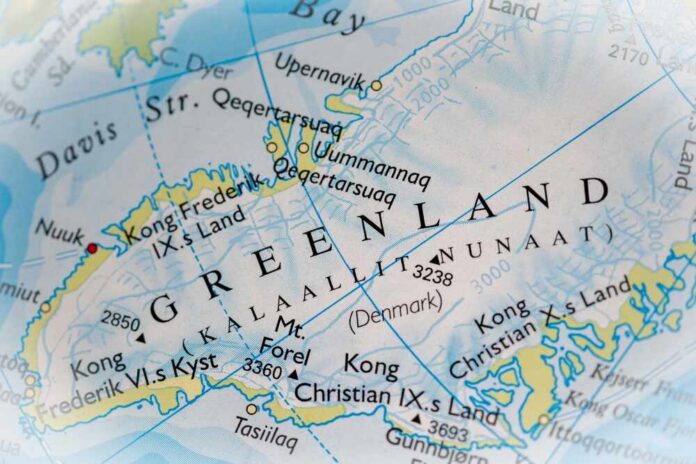
Recently, diplomatic talks between the United States, Denmark, and Greenland failed to resolve President Trump’s controversial push to acquire Greenland. In response, NATO allies, including France, Germany, Sweden, Norway, and others, began deploying troops to Greenland’s capital, Nuuk.
This rapid deployment, under the guise of a joint military exercise, Operation Arctic Endurance, underscores NATO’s commitment to Danish sovereignty amid perceived threats from Russia and China.
NATO nations deploy to Greenland after tense White House talks https://t.co/MZN8hUJkxI
— CNBC (@CNBC) January 15, 2026
The exercise’s unexpected announcement and swift troop movements emphasize NATO’s strategic alignment against US annexation efforts. While the White House downplays the impact on its plans, the deployment showcases a collective defense posture, signaling both support for Denmark and a counter to potential Arctic adversary actions.
Background and Geopolitical Tensions
Greenland’s strategic importance has been highlighted by President Trump’s renewed interest in purchasing the territory, a move reminiscent of his 2019 proposal that Denmark previously dismissed.
The Arctic’s melting ice caps and newly accessible shipping routes have intensified geopolitical competition, drawing significant interest from global powers, including Russia and China.
NATO’s deployment aims to strengthen the region’s defenses against these threats while maintaining diplomatic balance.
Denmark’s recent defense acquisitions, such as the P-8A Poseidon aircraft, and Greenland’s critical position in Arctic surveillance further elevate the stakes. As NATO exercises unfold, the region’s dynamics continue to shift, with potential long-term implications for international relations and Arctic governance.
Implications and International Reactions
The presence of NATO troops in Greenland has sparked a complex interplay of diplomatic and military strategies. For Greenlanders, the increased military presence disrupts daily life while potentially boosting local employment through training exercises.
Politically, the situation strengthens NATO’s unity against unilateral US actions, risking a strain in US-European ties if acquisition efforts proceed without resolution.
Economically, the safeguarding of Greenland’s mineral resources against Chinese interests remains a priority. The unfolding events also emphasize the role of Arctic nations in shaping the future of global security and resource management, with NATO’s actions serving as a pivotal element in this evolving narrative.
Sources:
European troops in Greenland will not impact Trump’s takeover plans, White House says
NATO nations send scouting teams to Greenland amid US annexation talk
NATO military exercise in Greenland amid US talks