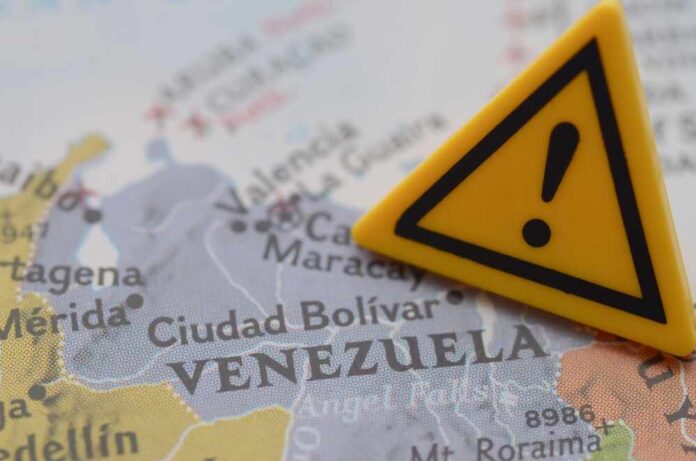
A new policy threatens Venezuelan expatriates’ stability, igniting concerns over forced repatriation.
Story Highlights
- Trump administration captures Nicolás Maduro, prompting major policy shifts.
- Over 600,000 Venezuelans lose Temporary Protected Status (TPS) in the U.S.
- Calls for Venezuelans to return home amid ongoing concerns about instability.
- The debate over the safety and viability of returning to Venezuela intensifies.
Trump Administration’s Bold Move in Venezuela
On January 3, U.S. forces captured Nicolás Maduro in a strategic military operation in Caracas, initiating a significant shift in U.S.-Venezuelan relations.
President Trump announced plans for the U.S. to oversee Venezuela’s transition, citing the need for stability and the potential for democratic reform. This move marked a decisive moment, contrasting with previous diplomatic efforts and signaling a shift toward direct intervention.
The capture led to the termination of Temporary Protected Status (TPS) for over 600,000 Venezuelans, who had previously been granted it under the Biden administration.
This decision has sparked fears among expatriates, primarily residing in South Florida, who face uncertain futures. Many Venezuelans express concern over returning to a country still grappling with political and economic challenges, despite government assurances of improved conditions.
DHS encourages Venezuelans in the US to go home "to the country they love" now that Maduro is gonehttps://t.co/M6EbGqe7Cm
— The Post Millennial (@TPostMillennial) January 5, 2026
Impact on Venezuelan Expatriates
The Trump administration’s policy shift has left Venezuelan TPS holders in a precarious position. Without TPS, these individuals must choose between returning to Venezuela, applying for refugee status, or facing deportation.
DHS Secretary Kristi Noem has emphasized the “freedom” available in Venezuela, yet many remain skeptical, citing ongoing risks such as political persecution and economic instability.
Statements from U.S. officials and immigration experts highlight the complexities of the situation. While some view the military capture as a path to regional stability, others warn of the potential for increased unrest and humanitarian concerns. Expatriates continue to voice their fears, demanding clarity and protection from potential deportation.
Future Prospects and Regional Implications
As the U.S. government navigates the aftermath of Maduro’s capture, questions about Venezuela’s future remain. The Trump administration’s interim governance plan aims to facilitate a transition towards democratic elections, though the timeline and success of such efforts are uncertain. Regional implications may include shifts in power dynamics, particularly regarding countries such as Cuba and Nicaragua.
For Venezuelans in the U.S., the path forward remains fraught with challenges as they weigh the risks of returning against the uncertainties of remaining.
The debate over repatriation continues to resonate, highlighting broader discussions on immigration policy and humanitarian responsibilities.
Sources:
Newsmax: Kristi Noem USCIS DHS
NPR: DHS Wants Venezuelans to Return Home
Atlantic Council: U.S. Just Captured Maduro