A deadly fire at a Swiss ski resort bar that killed 40 people and injured 116 others had not undergone mandatory safety inspections for several years, exposing catastrophic regulatory failures that turned a New Year’s celebration into modern Switzerland’s deadliest nightclub tragedy.
Story Overview
- Le Constellation bar in Crans-Montana operated without safety inspections for years before the deadly January 1, 2026, fire
- 40 people died, and 116 were injured when fire erupted during crowded New Year’s celebrations at the basement venue
- Swiss authorities deployed 150 emergency personnel and declared a state of emergency as ICUs were overwhelmed across the region
- Regulatory oversight failures allowed the uninspected venue to host packed events during peak tourist season
Regulatory Failure Exposed in Deadly Swiss Fire
Swiss officials confirmed that Le Constellation bar had operated without required safety inspections for several years before the devastating fire that claimed 40 lives on January 1. The basement venue in the luxury ski resort of Crans-Montana hosted hundreds of New Year’s revelers when flames erupted at 1:30 AM, creating a deadly trap in the enclosed space.
This regulatory negligence represents a fundamental breach of public safety protocols that conservative Americans understand all too well from witnessing government agencies fail at their most basic responsibilities.
Swiss bar that suffered deadly fire had not been inspected for five years, local authorities say, as they ban sparklers linked to blaze https://t.co/cUqnQmrL7H
— BBC Breaking News (@BBCBreaking) January 6, 2026
Emergency Response Overwhelms Regional Healthcare
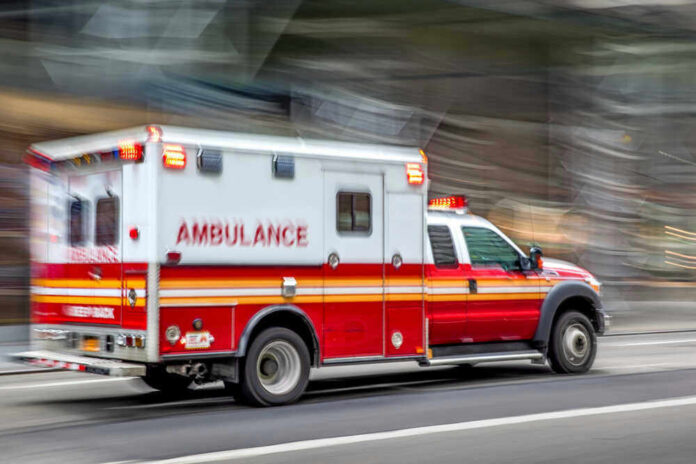
The fire triggered the most significant emergency response in Swiss resort history, with 150 personnel, 10 helicopters, and 40 ambulances deployed within minutes. Valais cantonal authorities declared a state of emergency as local ICUs reached capacity, forcing critical burn victims to be transferred across Switzerland and into neighboring European countries.
The swift emergency response highlighted professional competence, yet could not overcome the preventable regulatory failures that allowed an uninspected venue to operate during the region’s busiest tourist period.
Multinational Casualties Highlight Tourist Venue Risks
Among the 40 confirmed deaths, 21 were Swiss nationals, 9 French, and 6 Italian, with additional victims from Belgium, Portugal, Romania, and Turkey. The international scope reflects Crans-Montana’s appeal as a premier Alpine destination, where tourists expect basic safety standards.
Many survivors remain hospitalized with severe third-degree burns, their families facing medical evacuations across Europe due to overwhelmed local facilities. This tragedy demonstrates how government inspection failures can devastate not just local communities but also international visitors who trust regulatory systems.
Investigation Reveals Systemic Oversight Problems
Swiss investigators continue probing the fire’s cause while examining how cantonal authorities allowed years of inspection lapses at a high-capacity venue.
The bar’s basement location exacerbated smoke accumulation and escape difficulties, factors that proper safety inspections should have addressed through ventilation requirements and emergency protocols.
One bar co-owner was present during the incident and sustained minor burns, raising questions about management’s awareness of safety deficiencies that regulatory authorities failed to address.