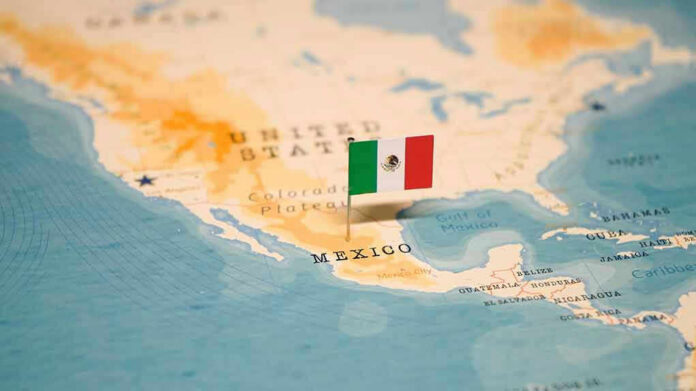
A U.S. senator’s blunt warning—“cancel” Mexico spring break plans—signals just how fast cartel violence can turn a vacation into a hostage-to-chaos scenario.
See the videos below.
At a Glance
- Sen. Markwayne Mullin (R-Okla.) urged Americans to forgo spring break travel to Mexico after violent clashes erupted following the killing of a major cartel leader.
- Multiple outlets reported the same core message: if you have Mexico travel plans, cancel them while instability remains elevated.
- Families and students are already scrapping trips, highlighting how quickly security shocks can ripple through real-world decisions.
Mullin’s Warning Lands as Violence Flares After Cartel Leader Killing
Sen. Markwayne Mullin of Oklahoma used his platform Tuesday to issue a direct message to U.S. travelers: don’t gamble with spring break in Mexico. The reporting ties his warning to violent clashes that followed the killing of a major cartel figure, a type of event that often triggers rapid retaliation and street-level instability. The practical takeaway is simple—travel plans can collide with cartel dynamics that tourists neither predict nor control.
Americans should not be going down to Mexico right now. It’s not safe. pic.twitter.com/KpNmtP5CzC
— Markwayne Mullin (@SenMullin) February 24, 2026
Mullin’s statement was reported consistently across outlets, including the same “cancel them” phrasing aimed at Americans with booked trips. What’s missing from the public reporting is just as important for decision-making: the sources don’t uniformly provide the cartel leader’s identity or precise geography of the clashes.
That limitation matters because Mexico’s security risk is highly regional—yet spring breakers often move between airports, resort zones, and nightlife areas where conditions can shift quickly.
Spring Break Reality Check: Families Change Plans Faster Than Governments Can Respond
On-the-ground behavior is already shifting. One report highlighted families and students scrapping Mexico plans as news of violence spreads, a reminder that ordinary Americans are making personal risk calculations in real time.
For parents, the issue isn’t political—it’s whether a child can safely get from a hotel to a restaurant and back without getting caught in roadblocks, gunfire, or sudden shutdowns. Travel insurance fine print rarely protects against chaos.
This is also a lesson in how quickly “normal” travel assumptions break down when cartel conflicts spike. A single assassination can set off a chain reaction—retaliation, increased security presence, blocked highways, and overwhelmed local services—that makes even a well-known tourist corridor unpredictable.
The current reporting centers on spring break, but the underlying reality applies year-round: tourists depend on local stability they cannot enforce, and rescue options can be limited when conditions deteriorate.
What the Coverage Confirms—and What It Still Doesn’t Prove
The strongest, well-supported fact is that Mullin issued the warning in response to cartel-linked violence after a leader’s killing, and that multiple publications echoed the same rationale.
Beyond that, the coverage is thinner on specifics that would help Americans evaluate risk with precision. Without consistent detail on which areas are affected, readers should avoid treating the warning as a claim about all of Mexico—or as reassurance that a particular resort area is automatically “safe.”
Policy Implications: Security, Border Pressure, and the Limits of “Just Be Careful”
Even without new policy announcements in the reporting, the story points to a broader reality Americans have lived with for years: cartel violence does not stay neatly “over there.”
When instability rises in Mexico, it can strain cross-border travel, fuel additional criminal opportunity, and create fresh pressure on U.S. law enforcement and border resources. For conservative readers who prioritize public safety and national sovereignty, that reinforces why security-first cooperation and clear-eyed warnings matter more than tourism marketing.
For travelers, the near-term decision is practical: delay trips, reroute to safer destinations, or demand refundable options when headlines show sudden cartel upheaval. For policymakers, the durability of this problem underscores why the U.S. needs border and anti-cartel strategies grounded in results, not slogans.
The sources here don’t offer a comprehensive operational map of the threat, but they do support the core message: when cartel violence spikes, Americans should not pretend spring break immunity exists.
Sources:
GOP senator says spring breakers should cancel Mexico plans
GOP senator says spring breakers should cancel Mexico plans
Spring break plans scrapped as violence erupts in Mexico
Sen. Mullin Urges Americans: Forgo Spring Break in Mexico