The DEA chief’s chilling admission that meth-laced pills are flooding college campuses should have every American demanding to know how these drugs keep pouring across our border.
At a Glance
- Methamphetamine seizures have doubled in 2025, with cartels targeting young Americans using counterfeit Adderall pills.
- The DEA reports a sharp increase in meth-laced pill distribution, especially on college campuses.
- Drug cartels exploit weak border security and regulatory gaps to expand their synthetic drug empire into the heart of America.
- Public health agencies warn of a new wave of stimulant addiction and overdose deaths among youth.
DEA Chief Rings Alarm: Meth-Laced Pills Targeting America’s Youth
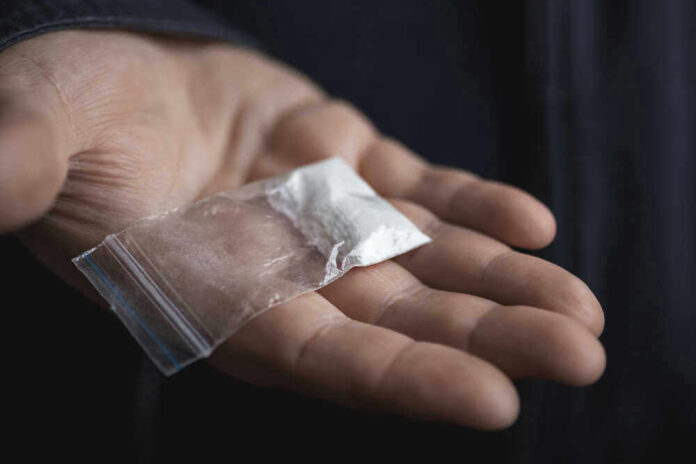
DEA Acting Administrator Robert Murphy didn’t mince words when he described the current surge in methamphetamine as “frightening.” The agency’s latest data shows a jaw-dropping 70,000 pounds of meth seized in just the first half of 2025—nearly matching last year’s total already. But the real kicker? A record 3.2 million methamphetamine-laced pills, disguised as prescription stimulants like Adderall, have been intercepted this year alone.
These colorful, deadly fakes are flooding college towns, preying on young Americans who think they’re getting a study boost but instead end up hooked or worse. Once again, drug cartels are adapting faster than any federal bureaucracy can respond, and the price is being paid by families and communities across the country.
The DEA has launched public warnings and press conferences to spotlight this new twist in the synthetic drug crisis. The message couldn’t be clearer: Mexican cartels, already infamous for flooding American streets with fentanyl, are now leveraging pill-pressing technology to camouflage meth as legitimate medication.
The result is a perfect storm for disaster—kids chasing academic performance or a party high are unwittingly ingesting some of the most addictive substances on earth. And what’s our government’s response? For years, open borders, sanctuary policies, and a refusal to get tough on traffickers created the very conditions in which these cartels thrive.
Cartels Exploit Chaos: How Lax Policy Became Big Business for Criminals
Mexican cartels have learned to read the American political winds better than most politicians. When crackdowns on domestic meth labs and opioid prescriptions made headlines, the cartels simply shifted gears—investing in industrial-scale meth production and pill presses to fill the new demand.
According to the 2025 National Drug Threat Assessment, these organizations—particularly the Sinaloa and Jalisco New Generation cartels—have turned America’s appetite for prescription stimulants into a gold mine. By pressing meth into pills that look identical to Adderall, they’re expanding their markets right under the noses of regulators and educators.
The numbers don’t lie: seizures of meth pills shot up from 2.6 million in 2023 to 3.2 million in 2024, and 2025 is on pace to shatter all records.
Law enforcement and public health officials agree that the sophistication and sheer scale of these operations are overwhelming. Cartels now wield immense power, exploiting every regulatory loophole and every inch of unsecured border to keep their cash cow flowing.
The impact isn’t just measured in pills and pounds—it’s measured in shattered families, overwhelmed hospitals, and a generation of young people at risk of addiction or death. Yet for years, enforcement was hamstrung by political grandstanding, hand-wringing, and a refusal to hold sanctuary cities accountable for helping shield traffickers from prosecution.
The result? Cartels are acting with impunity while Americans foot the bill for rehab, policing, and funerals.
Who Pays the Price? Families, Communities, and the American Dream Under Threat
The surge in meth-laced counterfeit pills isn’t just a law enforcement problem—it’s a five-alarm fire for the entire country. College students, lured by the promise of a focus pill or a party drug, are overdosing at alarming rates. Parents who thought the biggest threat was “just” marijuana or underage drinking now face the reality that a single pill can send their child into cardiac arrest.
Public health agencies warn of skyrocketing addiction rates, soaring healthcare costs, and a ripple effect of crime and social decay in towns once considered safe. Meanwhile, the pharmaceutical supply chain faces renewed scrutiny, as trust in legitimate medications erodes due to the proliferation of counterfeit products. Schools, colleges, and families are scrambling for answers—and for too long, they’ve been left to fend for themselves while politicians point fingers and pass the buck.
The long-term consequences are staggering. If current trends continue, America faces a new wave of stimulant addiction that could rival or even surpass the opioid crisis. The burden falls heaviest on families, healthcare providers, and communities already strained by years of government overreach, inflation, and broken promises.
The same bureaucrats who once dismissed border security as “racist” or “old-fashioned” now have little to say as cartels exploit the chaos. It’s time for accountability, tough enforcement, and a renewed commitment to protecting American lives—before another generation is lost to drugs that should never have made it past our borders.