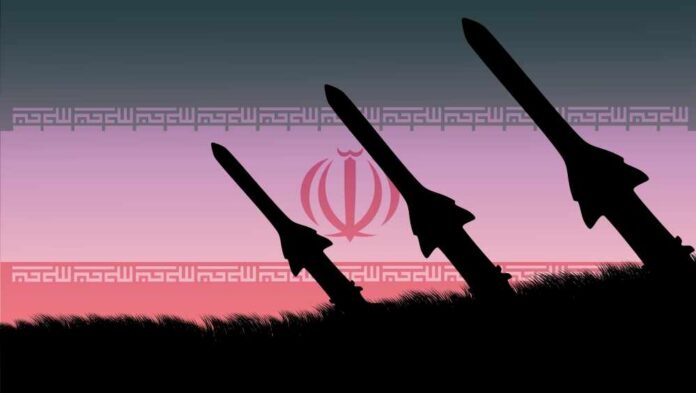
One night’s missile defense turned into a wider test of nerve, and the answer came fast: the United States said it stopped an Iranian attack and then hit militia sites in Iraq with Saudi help.
Quick Take
- U.S. Central Command said Iranian missiles were intercepted before they hit their intended targets.
- U.S. officials said no American personnel were harmed and damage was limited.
- The United States and Saudi Arabia then struck militia-linked sites in Iraq that Washington tied to recent attacks.
- Iran framed its actions as retaliation, which keeps the legal fight alive even as the battlefield facts point to a sharp defensive response.
A Sudden Exchange, Then a Fast Reply
The U.S. military said Iran launched multiple ballistic missiles at American forces in the Middle East, and that U.S. forces intercepted them all.
Central Command said the missiles were part of an attempted surprise attack, while Iranian state media denied any link to projectiles fired from other countries at targets in Saudi Arabia. That split matters. It shows the first contest was not only military, but also one of narrative.
The U.S. military says it successfully intercepted an Iranian missile barrage and worked with Saudi Arabia’s forces to strike sites in Iraq that Tehran-backed militias have used to launch attacks in recent days. U.S. Central Command in a statement Tuesd… https://t.co/IwQuhPd2Yi
— KSTP (@KSTP) July 29, 2026
What followed was just as important. Reports said the United States worked with Saudi forces to strike sites in Iraq used by Tehran-backed militias in recent attacks. That second move changed the story from pure defense to punishment and deterrence. The White House and military posture suggested a simple logic: stop the incoming threat first, then hit the launch network that made the threat possible.
Why the Intercept Claim Matters
The strongest fact in the public record is also the simplest. U.S. Central Command said all Iranian missiles were successfully intercepted, and that no American personnel were harmed. That claim gives Washington the clearest ground for calling the response defensive.
If the missiles never reached their targets, then the military case for emergency protection becomes much easier to defend to the public and to allies watching the region.
The Iraq Strikes Raise the Harder Questions
The raid in Iraq is the part most likely to keep lawyers and diplomats busy. The U.S. and Saudi account described the targets as militia sites tied to recent attacks, but the public record here does not give a facility-by-facility proof package.
That leaves room for debate over necessity, timing, and proportionality. In plain terms, the United States explained the “why,” but not every “how.”
That gap does not erase the U.S. case. It does, however, show why war stories age badly when they begin with only one side’s telemetry and one side’s press release. Iran’s public line was retaliation, and that framing is predictable in a conflict of this kind.
But the U.S. account has the stronger operational detail here because it names the intercept, says no personnel were hurt, and links the Iraq strikes to recent militia attacks.
The Bigger Pattern Behind the Headlines
This episode fits a familiar Middle East pattern. Militaries announce interceptions first. Television and live blogs spread the claims second. Independent proof comes much later, if it comes at all.
That is why these crises create such a fast, hard edge in public opinion. The side that speaks first usually shapes the battlefield story, and the side that lacks evidence gets stuck arguing after the smoke starts to clear.
The key point is not just that missiles were stopped. It is that the U.S. then answered with a broader message: attacks on American forces or their partners will not be left unanswered. That is classic deterrence. It also explains why the region remains tense. Once a state proves it can intercept and retaliate in the same news cycle, every later strike becomes a warning to everyone watching.
Sources:
apnews.com, theguardian.com, goodmorningamerica.com, defenseone.com, washingtontimes.com, x.com